by Ralf Tenbrink | 29, Apr 2026 | Costa Blanca Bike Shops, Costa Blanca News
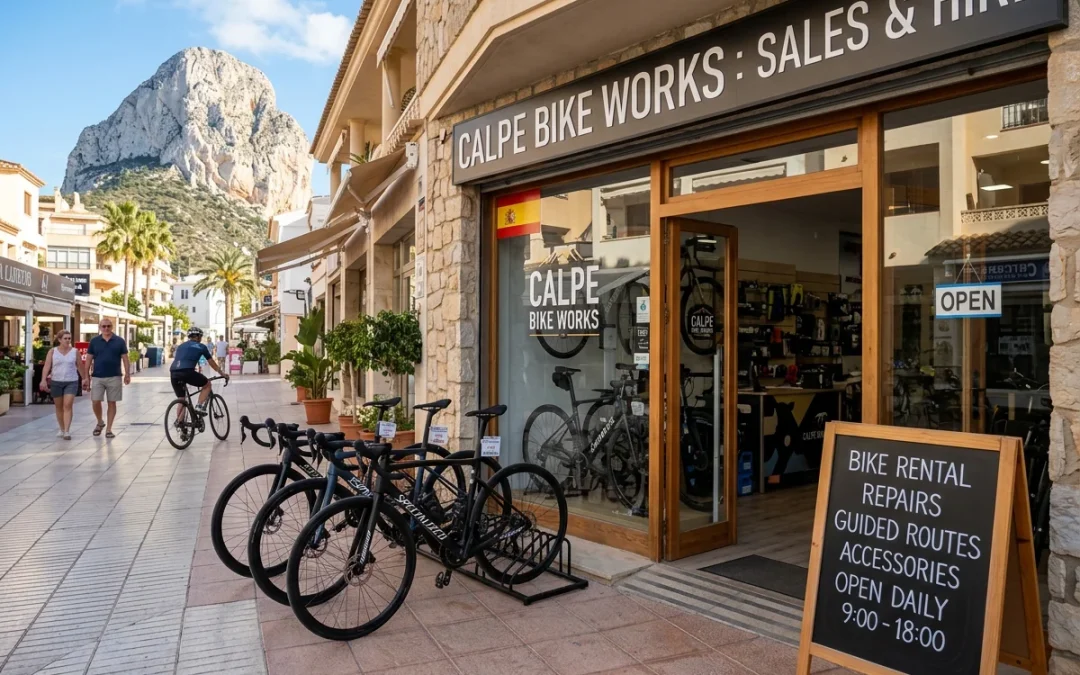
Bike Shops in Calpe: Where Cyclists Rent, Repair and Ride
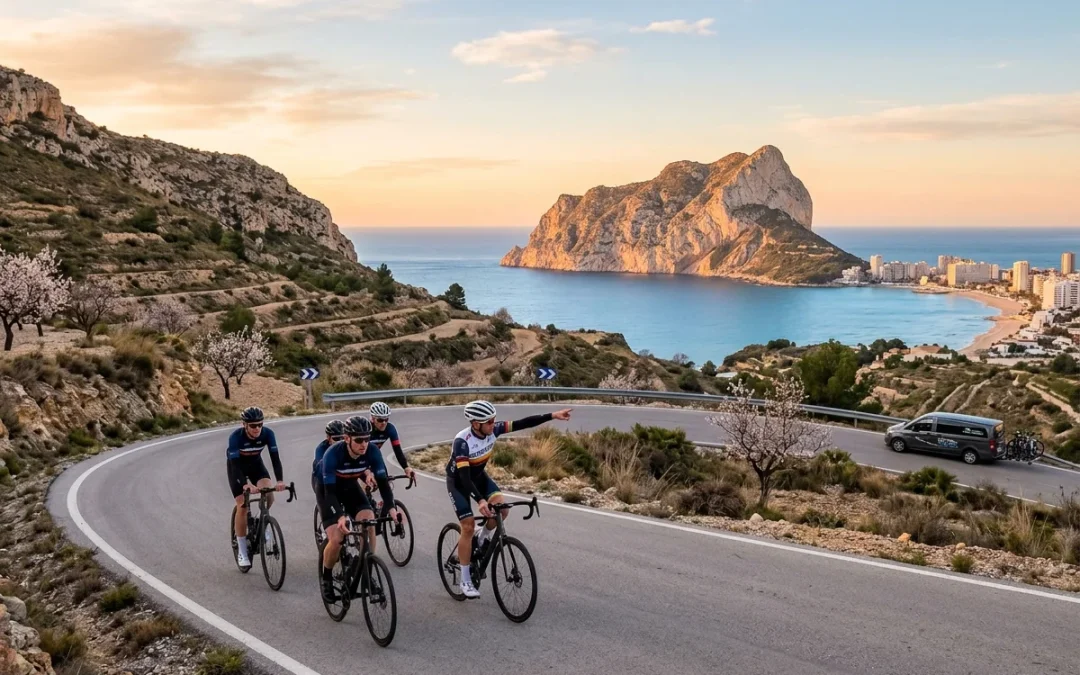
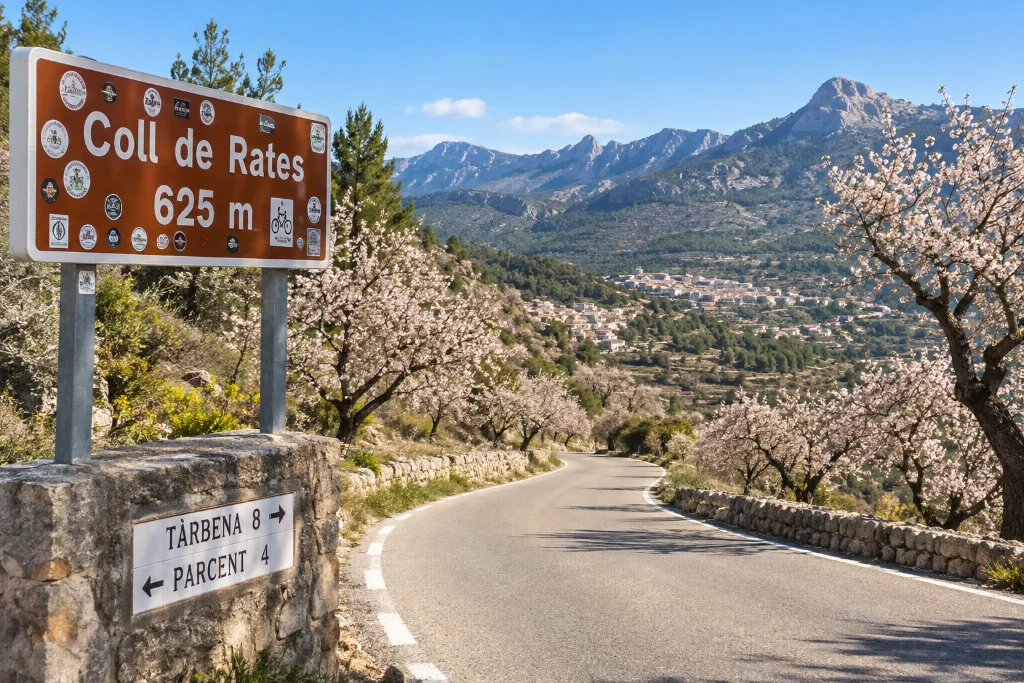
Calpe is one of the most recognisable cycling destinations on the Costa Blanca — and one of the most searched. Thousands of cyclists arrive here every year looking for a reliable rental bike, an emergency repair, or a shop that actually understands what they ride. The Peñón de Ifach, Calpe’s 332-metre limestone monolith rising directly from the Mediterranean, is the visual landmark. The Coll de Rates, the Sierra de Bernia and the Cumbre del Sol are the rides that keep them coming back.
This guide covers everything you need to know about bike shops in Calpe: where they are, what they offer, what to pay, and how to get the most out of cycling in and around the town.
Why Calpe is a Cycling Hub
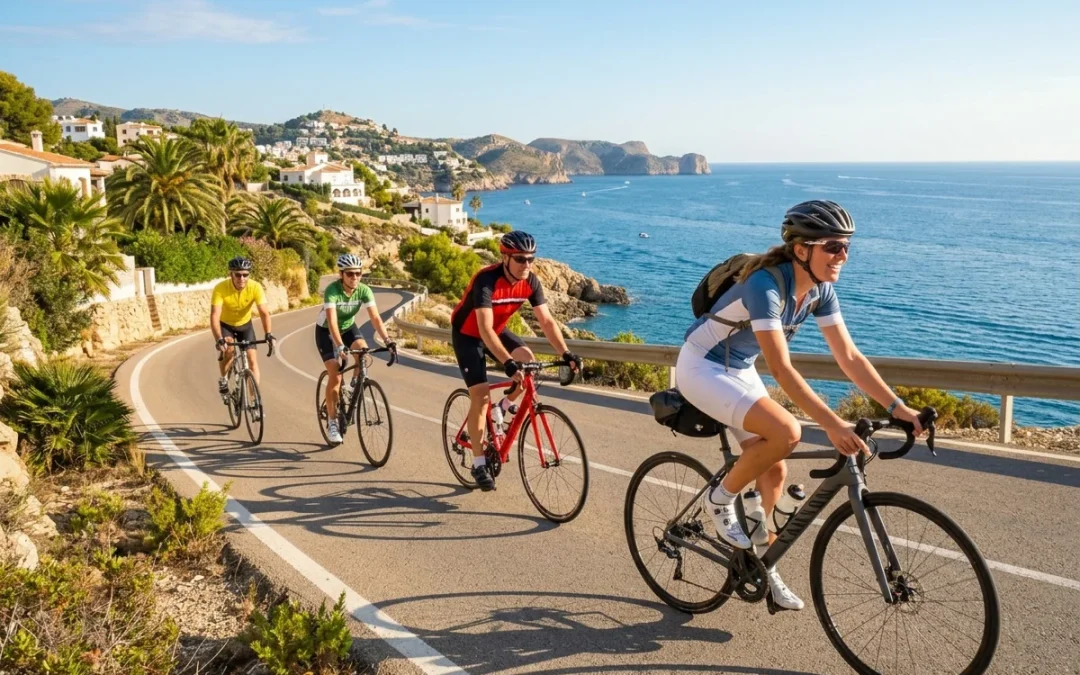
Calpe, located on the northern Costa Blanca coastline in the province of Alicante, sits at the intersection of coastal roads and mountain passes that make it genuinely exceptional for cycling. Within 30 minutes of the town centre you can be climbing towards the Coll de Rates, traversing the Sierra de Bernia ridge, or descending towards the Jalón Valley through almond groves and orange orchards. These are not simply scenic rides — they are technically interesting, climatically reliable and, for serious cyclists, genuinely demanding.
The Costa Blanca as a whole receives around 300 days of sunshine per year and is actively promoted by the Diputación Provincial de Alicante’s tourism board, Turismo Costa Blanca, as a top cycling destination in Spain. Calpe is consistently listed alongside Altea and Denia as one of the preferred bases for road cycling on the Spanish Mediterranean coast.
The town’s reputation among professional and elite amateur cyclists is well documented. As the team at Epic Road Rides notes in their dedicated Calpe cycling guide, the town has historically attracted up to ten of the eighteen World Tour professional teams for pre-season training camps. That concentration of elite riders has shaped Calpe’s bike shop infrastructure — mechanics here are accustomed to working on high-end equipment, and rental fleets tend to reflect the expectations of performance-oriented customers.
The 2026 Vuelta a España further cements Calpe’s position in the cycling landscape, with Stage 9 finishing on the Alto de Aitana — a mountain regularly used as a training climb by Calpe-based riders throughout the season.
Types of Bike Shops in Calpe
The bike shop scene in Calpe serves a wide range of cyclists, from winter training camp professionals to summer leisure riders and touring families. Understanding the different types of operator helps you find the right fit for your specific need.
Rental-focused shops are the most visible entry point for visiting cyclists. These businesses maintain fleets of road bikes, mountain bikes, hybrids and e-bikes available by the day, week or fortnight. Many operate hotel delivery services as standard.
Repair workshops range from basic mechanical services through to specialist work on electronic groupsets and carbon frames. Calpe’s exposure to high-end equipment during the winter training season means the standard of mechanical knowledge here is generally higher than you would find in a purely tourist-facing town.
High-end road bike specialists cater for the performance market — riders who want a bike close to their home setup, premium components, and mechanics who understand the difference between a 50/34 compact and a 52/36 mid-compact on a mountain stage.
E-bike providers have expanded rapidly in recent years. The coastal paths and gentler climbs around Calpe suit electric bikes well, and the market now serves not just leisure riders but experienced cyclists who want to explore further afield without the full physical cost of an unassisted climbing day.
Bike Rentals in Calpe
Rental is the first thing most visiting cyclists need, and Calpe’s market is mature and competitive. Most operators stock road bikes across a range of sizes and specifications — aluminium builds for casual touring, carbon frames with Shimano Ultegra or SRAM Rival for riders who want performance comparable to their own kit at home.
Mountain bikes — both hardtail and full-suspension — are available from several providers. The trails in the hills above Calpe, in the Sierra de Bernia and on the rocky singletrack near the Mascarat ravine, give serious reason to choose off-road over tarmac for at least part of a visit.
Delivery to your accommodation is offered by a number of Calpe operators and is worth asking about when booking. Our cycling-friendly accommodation guide for Costa Blanca covers properties in and around Calpe — including hotels with secure bike storage, workshop access and early breakfast service — that make delivery and collection straightforward.
Seasonal demand peaks between January and April, driven by professional and club training camps. July and August bring a different audience: family groups, tourists and leisure riders. If you are visiting in peak season and need a specific bike type — particularly a high-spec road bike — booking 6–8 weeks ahead is not excessive. For more on planning your rental, see the complete guide to renting a bike on the Costa Blanca.
Group visits have specific requirements that standard solo rental setups do not always cover. The group and family bike rental guide covers how to organise mixed fleets for parties with different cycling levels and needs.
Bike Repairs and Emergency Services in Calpe
For visiting cyclists, a mechanical problem on the road is a genuine concern — particularly when you are 30 kilometres into the mountains above Calpe with a broken rear derailleur and no mobile signal. The town’s position as a serious cycling destination means repair provision goes well beyond the basic.
Most Calpe bike shops handle the routine issues confidently: puncture repairs, brake adjustments, gear indexing, cable replacement and bottom bracket work. For more technical repairs — electronic groupset diagnostics, carbon frame assessment, hydraulic disc brake bleeds — it pays to call ahead and confirm the shop has the relevant tooling before turning up with a problem.
Turnaround times for straightforward repairs are generally same-day outside of the busy training camp season. Between January and March, when multiple teams may be using Calpe simultaneously, workshops get backed up — particularly on Saturdays. Dropping the bike the evening before and collecting the following morning is usually the most reliable approach during peak season.
Mobile repair services are available from some providers operating across the Costa Blanca. These are useful for multi-day touring cyclists and riders who cannot easily transport a bike to a fixed workshop. See the bike support services directory for current mobile mechanic availability near Calpe.
For a full list of verified repair providers, the bike repair Costa Blanca directory lists workshops with confirmed opening hours and service scope.
Where to Find Bike Shops in Calpe
Calpe’s bike shops and rental operations are concentrated primarily in and around the town centre and the main beach area. The promenade and the access roads serving the Arenal Bol beach see high cyclist footfall during the season and are the natural location for shops targeting visitors.
Some workshop operations — particularly those focused on repairs and servicing rather than retail rental — are located slightly outside the centre, often in light industrial units on the approach roads. These tend to offer better workshop facilities, easier bike handling and more parking than a tight town-centre shopfront.
If you are staying in one of the hillside urbanisations above Calpe, access to town-centre shops by bike is straightforward on the way down; the return involves a climb of anywhere from 50 to 150 metres depending on your exact location, which is either useful training or an inconvenience depending on how you look at it.
Prices and What to Expect in Calpe
Rental pricing in Calpe is broadly consistent with the wider Costa Blanca market, with variation by bike quality and rental duration.
Road bike hire typically starts at €25–35 per day for an entry-level aluminium build and rises to €60–80 per day for a high-specification carbon road bike. Weekly rates offer meaningful savings — expect to pay roughly four to five times the daily rate for seven days rather than simply multiplying. E-bikes generally sit at €40–70 per day depending on motor system and specification.
For repairs and servicing: a basic adjustment service covering brakes, gears and a safety check runs approximately €30–60. A full strip-down and rebuild service — the kind used by training camp teams mid-camp — can reach €120–180 or more. Individual jobs such as a puncture fix, brake pad swap or cable replacement are typically charged at flat rates in the €8–20 range.
Budget operators exist in Calpe, particularly for the leisure and family market. Premium shops at the higher end of the price range offer something specific in return: deeper parts inventory, mechanics with race experience, and the confidence that comes from knowing your bike has been through hands that understand it.
Insider Tips for Cyclists in Calpe
Book rental bikes well ahead for the winter season. The January to April window is Calpe’s busiest for cycling, driven by professional and semi-professional teams using the town as a training base. Reputable rental operators can be fully committed weeks in advance during peak periods. If you have fixed travel dates, contact providers eight to twelve weeks out.
Ride in the morning. Coastal winds in Calpe build through the afternoon. On exposed climbs above the town — particularly the upper sections of the road towards Benissa and the Bernia ridge — afternoon headwinds add meaningful resistance. Starting at 8 or 9am also means you finish before the strongest summer heat and the heaviest vehicle traffic.
Carry a basic repair kit even if you are close to a shop. Calpe’s mountain roads can put you a significant distance from any settlement when something goes wrong. An inner tube, tyre levers, a multi-tool and a mini pump take up almost no bag space and can save a long walk.
Understand the road conditions on descents. Some of the less frequented roads in the hills above Calpe carry loose gravel, particularly after wind or rain. On unfamiliar descents, brake earlier than you think necessary and approach blind corners wide.
April is a particularly strong month. The spring cycling guide for Costa Blanca covers why April delivers the best balance of temperature, crowd levels, daylight and operational bike services across the season.
As the team at Cycling Locations notes in their Costa Blanca overview, the area sees more professional riders training per square kilometre than almost anywhere else in Europe during the January–March window — which also means the roads, cafés and bike services are calibrated for cycling at a level you simply do not find in less cycling-focused destinations.
Featured Bike Shops in Calpe
Verified listings updated regularly. Shops listed below have been reviewed for service quality, bike condition and reliability by the Bikes Costa Blanca team.
Blanca Bikes — Calpe
Type: Road Bike Rental / Repair Key feature: High-specification road bikes, hotel delivery, experienced mechanics Best for: Serious road cyclists wanting performance-grade equipment View listing
Soly Bike — Calpe
Type: Cycling Holidays & Rentals Key feature: Road and mountain bike hire bundled with accommodation and airport, bus or car transfers Best for: Visitors wanting a full cycling holiday package, not just a rental bike View listing
Vuelta Turistica — Calpe
Type: Cycling Holidays & Guided Rides Key feature: Group rides organised by pace and distance, plus coaching sessions for beginners through experienced riders Best for: Groups and families wanting guided rides and structured coaching rather than self-guided rental View listing
Your Bike Shop in Calpe
List your Calpe bike shop and reach cyclists searching right now
Compare Bike Shops in Calpe by Price, Bike Type and Availability
Stop searching multiple tabs. Use the Bikes Costa Blanca directory to compare rental prices, available bike types, hotel delivery options and service scope across verified Calpe providers — all in one place.
Compare bike shops in Calpe now
Already operate a shop or rental service in Calpe?
Get listed and reach cyclists actively searching for bike shops in Calpe
Trusted by cyclists visiting Calpe and the Costa Blanca. Listings verified and updated regularly.
Frequently Asked Questions
Can I rent a road bike in Calpe? Yes. Multiple operators in Calpe offer road bikes at various price points, from entry-level aluminium builds to high-specification carbon frames with quality groupsets. Booking ahead is strongly recommended during the winter training season (January to April), when availability can be tight weeks in advance.
Are there bike repair shops near me in Calpe? There are repair facilities in and around Calpe capable of handling routine servicing and most mechanical issues. For specialist work on electronic groupsets or carbon frames, call ahead to confirm the workshop has the right equipment. The bike repair Costa Blanca directory lists verified providers including those closest to Calpe.
Do bike shops deliver bikes to hotels in Calpe? Several rental operators in and around Calpe offer delivery and collection as part of their service — particularly to hotels and villa complexes with which they have established relationships. Ask specifically about delivery when booking, as it is not always listed prominently. See our cycling-friendly accommodation guide for hotels in Calpe that coordinate directly with bike shops.
Is Calpe good for a cycling holiday? Calpe is among the best cycling bases on the Spanish Mediterranean coast. The combination of easily accessible mountain passes, reliable climate, and well-developed cyclist infrastructure — shops, cafés, accommodation — makes it a logical choice for road cyclists of any level. Our cycling-friendly accommodation guide covers Calpe-area properties that go beyond simply tolerating bikes.
What types of bikes are available to rent in Calpe? Road bikes (aluminium and carbon), mountain bikes (hardtail and full suspension), hybrid and city bikes, and e-bikes. Some providers also carry children’s bikes. The range varies by operator — the bike rentals directory lets you compare what each shop currently offers and filter by bike type.
What is the best time of year to cycle in Calpe? October through April offers the most reliable riding conditions. Spring — particularly March and April — combines good temperatures, low humidity, longer daylight and roads not yet carrying heavy summer tourist traffic. Winter brings professional training camps but also the most consistently sunny riding weather of the year. The April cycling guide covers the seasonal case in detail.
Can I find a mobile bike mechanic near Calpe? Mobile repair services operate in the Costa Blanca region and are particularly useful for multi-day touring cyclists. Availability changes seasonally — check the bike support services directory for current providers working in and around Calpe.
How much does bike rental in Calpe cost? Road bikes start at approximately €25–35 per day for entry-level bikes and rise to €60–80 per day for high-specification carbon models. E-bikes typically cost €40–70 per day. Weekly rates are better value than daily rates multiplied by seven. Comparing providers using the bike rentals directory gives you a realistic picture of current pricing across operators.
by Ralf Tenbrink | 28, Apr 2026 | Bike Tours, Costa Blanca News, Self-Guided Cycling Tours in Costa Blanca
Self-Guided Cycling Tours in Costa Blanca: Routes, Costs and Best Starting Towns
Key Takeaways
| Feature | Details |
|---|
| Duration | 6-8 days typical |
| Daily distance | 48-116 km, depending on route and fitness |
| Best time to ride | Year-round; winter and spring favoured for training, summer for early starts |
| Best starting towns | Calpe, Altea, Finestrat, Alicante |
| Signature climbs | Coll de Rates, Port de Confrides, Alto de Aitana |
| Price range | From €1,270 per person for an organised self-guided package (6-7 days); independent touring from roughly €800-1,000 per week |
| Difficulty | Moderate to challenging, with easier daily options on most itineraries |
| Bike options | Road, hybrid and e-road bikes all available to rent locally |
A self-guided cycling tour of the Costa Blanca typically runs 6 to 8 days, with riders covering 48 to 116 km a day between bases such as Calpe, Altea, Finestrat and Alicante. Organised self-guided packages from local operators start from around €1,270 per person for 6-7 days, including accommodation, route planning and emergency support, with bike rental usually charged separately. Independent planning, using rental bikes, GPS route files and cyclist-friendly hotels booked directly, typically costs less but takes more of your own time to arrange.
The appeal is simple: a small area holds an unusual mix of terrain. You can start the morning with coffee in a fishing town like Altea, climb through almond groves and pine forest for an hour, and be back down at sea level for lunch. That density, combined with well-surfaced roads, light traffic on the mountain routes and a long cycling season, is why professional teams have used the region for winter training camps and why it’s become a regular stop for independent touring cyclists from northern Europe. This guide covers where to base yourself, which climbs are worth the effort, what a tour actually costs, and the practical details (bikes, navigation, weather) that make the difference between a good week and a frustrating one.
What Makes Costa Blanca Work for Self-Guided Cycling
Coll de Rates is the climb most people come for, and it’s a fair introduction to the region’s character: 6.5 km at an average 5% gradient, starting through orange and almond groves before the road narrows into pine forest for the final switchbacks. The surface is good throughout and traffic is light outside of peak training months. From the top, on a clear day, you can see the coastline you started from.
That’s the pattern across the region: routes move quickly between coastal plain, cultivated valley and pine-covered mountain, often within a single ride. Infrastructure has grown to match. Roads are well maintained, several routes are signed, and bike rental and repair shops are established in every base town. Local cycling culture is visible too: group rides leave from cafés in Calpe and Altea most Tuesday and Thursday mornings, which says something about how normal touring cyclists are here.
Choosing Your Base: Calpe, Finestrat, Alicante and Altea
Where you base yourself changes which climbs are a short warm-up and which need a transfer. All four towns below have bike rental, cyclist-friendly accommodation and enough services to plan a full week without a car.
Calpe
The most popular base, and the default choice for most self-guided packages. Coll de Rates is around 20 km away, and Port de Confrides, a longer, harder climb through the Sierra de Serrella, is reachable for a bigger day. Calpe has the widest choice of bike shops and rental services on the coast, plus accommodation ranging from hostels to four- and five-star hotels.

Finestrat
Sits inland of Benidorm and puts you close to some of the region’s toughest climbing, including Alto de Aitana, a route that starts practically from the town itself rather than requiring a drive to a trailhead. A better base if the trip is built around mountain training rather than mixing in coastal riding.
Alicante
The regional capital, with the best transport links (airport, trains, buses) and the widest range of services. The Alicante to Calpe route is a good way to see varied terrain across a single long day, and Alicante works well as a base for longer, multi-town itineraries rather than a fixed one-town week.
Altea
A hilltop old town with easy access to coastal routes, including the Altea Hills Loop. Quieter than Calpe, with fewer services but enough to cover the basics, and a strong pick if you want scenery and a slower pace alongside the climbing.
Essential Climbs and Routes
- Coll de Rates: 6.5 km, 5% average gradient. The region’s signature climb, and the one most self-guided itineraries build a day around.
- Port de Confrides: a longer, more variable ascent through the Sierra de Serrella, with wide views from the summit back across the interior.
- Port d’Ebo combined with Coll de Rates: a 116 km circuit that includes sections up to 17% on the Pla de Petracos, aimed at strong, well-prepared climbers rather than a first visit.
- Alto de Aitana: the highest paved climb in the region, featured in the 2026 Vuelta a España’s Stage 9 route, with 360-degree summit views.
- Port de Tudons and Alto del Tigre: often paired in longer itineraries as sustained, lower-profile climbs between the bigger-name ascents.
Not every route is a mountain finish. The Altea Hills Loop and the Jalón Valley Scenic Loop are worth keeping in reserve as flatter recovery days between harder climbing.
Self-Guided Packages vs Independent Planning
There are two ways to do this: book an operator’s self-guided package (they plan the route, book the hotels and arrange luggage transfer; you ride it on your own schedule), or plan everything yourself. Pricing and route details below were checked against each operator’s own site in September 2026.
| Option | Duration | From (per person) | Bases | What’s included |
|---|
| Sierra Sports & Tours | 6 nights / 7 days | €1,400 (min. 2 people) | Calpe and Altea | Hotels, luggage transfer, 24-hour emergency contact, self-guided route PDF, choice of two routes most days |
| Cycle Fiesta | 7 days | €1,270 | Costa Blanca hinterland | Route-focused package covering the region’s harder climbs across the Costa Blanca hinterland |
| Independent planning | Flexible | Roughly €800-1,000 per week, excluding bike rental | Your choice | You book accommodation and bike rental directly and navigate with GPX files and route apps |
Both operators run a February-to-November season broadly, though exact dates shift year to year, so confirm current availability directly before booking. Group discounts (6+ people) are common across operators. Independent planning gives you the most control over budget and itinerary but takes more of your own research time, particularly for luggage logistics if you’re moving between towns.
Planning Daily Distances
Distance on its own is misleading: a 50 km day with a category-2 climb is harder than an 85 km day on the flat. Most itineraries plan 48-85 km daily, building up gradually:
- Day 1: Alicante to Finestrat (48 km): a gentle introduction with limited climbing.
- Day 2: Finestrat to Xaló (52 km): meaningful climbing introduced.
- Day 3: Xaló-Bernia-Calpe loop (65 km): mountain passes with a coastal finish.
That kind of build lets your legs adjust before tackling the bigger days. The 116 km Port d’Ebo/Coll de Rates circuit sits at the upper end of what’s realistic in a day and suits strong cyclists or a specific training goal rather than a first visit. Even strong riders benefit from a shorter or flatter day (the Jalón Valley Scenic Loop is a good option) after two or three consecutive days of climbing, and most operators build alternative, easier route options into each day for exactly this reason, alongside flexibility for wind or heat.
Climate and When to Go
Alicante-Elche Airport, the closest official weather station to the region, averages 2,953 hours of sunshine and 35.1 days with measurable rain (≥1mm) a year, based on Spain’s national weather agency AEMET’s 1981-2010 climate normal. That’s among the highest sunshine totals of any populated part of mainland Europe, and it matches the region’s reputation for a long, reliable cycling season.
Winter (December-February) is the season professional teams favour for training: cool enough to climb without overheating, warm enough to ride in normal kit, and quiet on the roads. Spring (March-May) is generally considered the best all-round window, with mild temperatures, wildflowers on the mountain routes, and longer daylight. Autumn (September-November) mirrors spring, with warmer sea temperatures for a post-ride swim. Summer (June-August) is rideable but needs planning around the heat: coastal temperatures regularly reach the high twenties Celsius, and inland climbs can run several degrees hotter at midday, so an early start (around 7am) is close to essential.
Whatever the season, expect a real temperature swing between coast and summit. A comfortable 20°C morning in Calpe can mean single digits at the top of Aitana or Confrides, so pack a light layer for descents even in warmer months.
Bikes, Navigation and Where to Stay
Choosing a Bike
Road bikes handle every major climb and coastal route comfortably; almost all the riding here is on paved roads. A gravel bike or sturdy hybrid adds comfort and confidence if your itinerary includes any of the region’s short unpaved sections. E-road bikes are increasingly available to rent and open the region up to riders who wouldn’t otherwise manage the longer climbs. Battery range is rarely the limiting factor over a normal day’s distance, and many cycling-focused hotels offer charging.
Navigation
Major routes are generally well signed, but a GPS device or a route-planning app with offline maps is worth having as backup, since mobile coverage is patchy in the mountains. Download routes before you set off rather than relying on a live connection.
Accommodation
Standards vary. The better cycling-focused hotels offer secure bike storage, early breakfast, laundry and basic repair tools; book ahead in peak season. Budget options (hostels, apartments) are available in every base town, and a growing number of hotels are specifically courting cycling tourists with bike-cleaning areas and route planning help. Bikes Costa Blanca’s accommodation directory and the cycling-friendly hotels in Calpe guide are good starting points.
Maintenance and Repairs
Carry the basics: tyre levers, a spare tube, a multi-tool, a pump. Bike shops across Costa Blanca are well distributed in towns but thin on the ground once you’re deep into a mountain route. Our complete packing guide covers tools, spares and clothing in more detail.
What a Self-Guided Tour Costs
Organised packages run €1,270-1,400 per person for 6-7 days, usually covering accommodation, route planning, GPS files and emergency support. Bike rental is typically extra, at roughly €25-40 a day for a quality road bike and €35-50 for an e-bike.
Independent touring can come in cheaper or more expensive depending on your choices. Budget accommodation runs roughly €30-50 a night; cyclist-specific hotels are more like €80-150. Meals range from €15-25 for casual dining to €40+ for a proper restaurant sitting. On top of a package’s base price, budget for getting your own bike there if you’re not renting, travel insurance, and the café stops and small purchases that add up over a week: €200-300 is a reasonable buffer.
Typically included: accommodation (usually twin-share), route planning and GPS files, emergency phone support, some meals, luggage transfer between hotels, and a route briefing.
Usually extra: bike rental, most meals, flights to Spain, personal insurance, and any optional extras.
Across a week, all-in costs for most riders land somewhere between €800 and €1,500 per person, whether that’s an organised package or careful independent planning. That’s competitive against most other established European cycling destinations, and the season here runs longer than most of them.
Frequently Asked Questions
What fitness level do I need for a Costa Blanca cycling tour? Most self-guided itineraries suit someone who regularly rides 40-60 km at home. The climbing adds real difficulty beyond flat-terrain distance, so some hill training beforehand helps. Most operators build in easier daily route options for exactly this reason.
Can I rent a good-quality bike locally? Yes. Road bikes, e-bikes and hybrids are all readily available, including carbon-fibre road bikes. Book ahead in peak season, since good stock gets reserved early.
How safe are the roads for cycling? Generally safe, with good surfaces and light traffic on the mountain routes. Coastal roads near the larger towns are busier. Spanish drivers are used to sharing the road with cyclists in this region specifically, given how established the cycling tourism is here.
What happens if I get injured or have a mechanical problem? Operators running organised packages provide emergency phone support, and bike shops operate in every major town. Mobile repair services cover some areas. Check that your travel insurance explicitly covers cycling before you go, since not all standard policies do.
Is it worth bringing my own bike? For most visitors, no: local rental quality is high enough that it isn’t necessary. If you have specific position requirements or strongly prefer your own equipment, bringing it can be worth the extra flight cost and hassle.
When are the roads busiest with other cyclists? January to March, when professional teams train here, brings more traffic to the mountain roads on weekday mornings. October-November and March-April see the most recreational touring cyclists. Summer is actually quieter on the climbs, since the heat pushes casual riders toward early mornings or the coast.
Do I need to speak Spanish? No. English is widely spoken in tourist areas and by cycling-focused businesses. A little Spanish helps in the smaller mountain villages but isn’t essential for planning or riding a self-guided tour.
How much sunshine can I actually expect? Alicante-Elche Airport’s official long-term average is just under 3,000 hours of sunshine a year (AEMET, 1981-2010 normal), one of the highest totals anywhere in mainland Europe. It’s a big part of why a cycling season here realistically runs close to twelve months rather than the typical six or seven.
Plan Your Route
Once you’ve picked a base and a rough itinerary, the next steps are choosing how to plan a self-guided tour in more detail and reading our safety tips for touring alone if you’re riding without a group. When you’re ready to book, browse bike rental services or cyclist-friendly accommodation to get the practical side sorted first.
Research sources: Climate figures from AEMET’s official climate normals for Alicante-Elche Airport, 1981-2010. Tour pricing and itinerary details checked against Sierra Sports & Tours and Cycle Fiesta directly, September 2026.
by Ralf Tenbrink | 11, Apr 2026 | Bike Rental Services in Costa Blanca, Costa Blanca News, Latest News
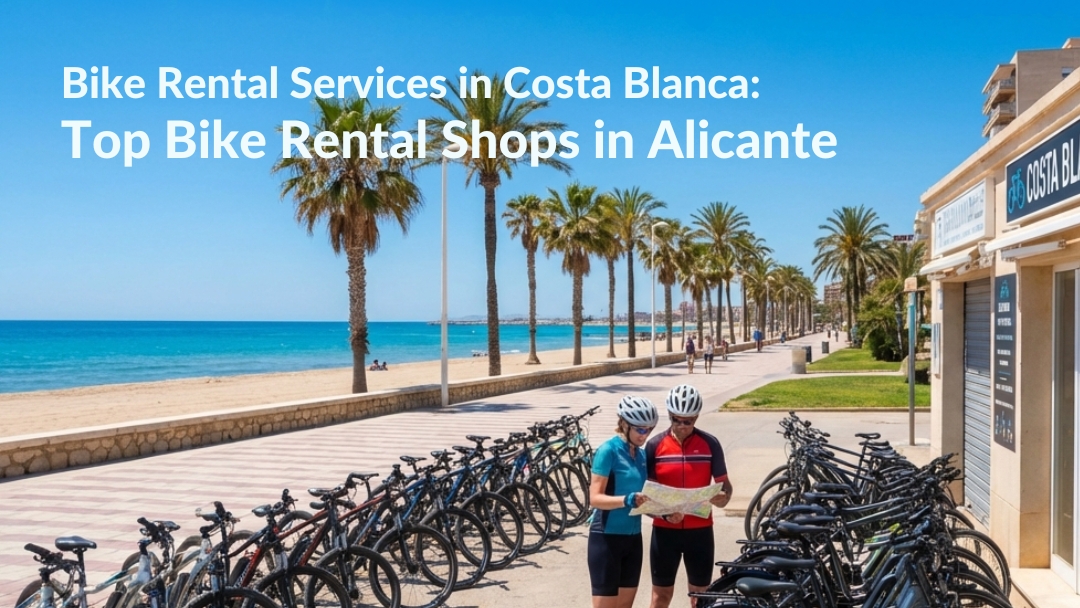
How to Rent a Bike as a Tourist on the Costa Blanca
Key Takeaways
- The Costa Blanca averages 2,953 hours of sunshine a year (AEMET, Alicante-Elche Airport, 1981-2010 normal), making it one of the best cycling destinations in Europe at almost any time of year.
- Renting locally beats travelling with your own bike: no airline fees, no damage risk, no bike cases to lug through the airport.
- Most rental shops require a passport or ID, a credit card for a deposit (typically €100), and a signed rental contract.
- Book in advance, especially for peak season (February to May). The best bikes get reserved weeks ahead.
- Prices range from around €10/day for a leisure bike to €60+/day for a top-end carbon road bike. E-bikes typically sit between €45–70/day.
Introduction
Here’s a number that still surprises people when I tell them: the Costa Blanca averages 2,953 hours of sunshine a year, according to Spain’s national weather agency AEMET (Alicante-Elche Airport, 1981-2010 normal) — among the highest totals anywhere in mainland Europe. It’s part of why professional cycling teams choose this region for their winter training camps, and why the region regularly features in the Vuelta a España.
If you’re visiting and thinking about getting out on a bike, the good news is you don’t need to bring one. The rental infrastructure here has grown enormously over the last decade. Ten years ago you’d struggle to find a decent rental bike. Now, professional teams from Belgium, the Netherlands, and Germany set up training camps here from December through March, and the local infrastructure has followed.
This guide walks you through the full rental process: how to choose the right type of bike, what documents you’ll need, what to watch out for in the small print, and where to find the best shops along the coast. Whether you’re a serious road cyclist or a family wanting to explore the seafront on something comfortable, it all works the same way.
Why the Costa Blanca Is One of Europe’s Best Places to Rent a Bike
Before getting into the practicalities, it’s worth understanding why this region makes so much sense for a cycling holiday.
The roads are good quality and offer a choice of coastal, hilly, and even mountainous rides. That variety is key. You can spend one morning on a flat coastal route and the next grinding up the switchbacks of the Coll de Rates — all within a short drive of each other.
The best months for cycling are January to May and September to November, which conveniently covers the periods when Northern Europeans most want to escape the cold. The rental shops know their audience — most are run by cyclists, for cyclists, and they understand what a serious rider actually needs from a hire bike.
I first came to the Costa Blanca about 25 years ago, arriving at the end of April. The thing that struck me immediately wasn’t the temperature — it was the light. Coming from Germany, where late April evenings are still grey and dim, the brightness here felt almost unreal. The sun is stronger, the days are longer, and the quality of the light is just different. Add to that the daytime temperatures — warm enough to ride in shorts, but not yet the punishing heat of summer — and evenings that stay mild rather than dropping to single digits, and you start to understand why cyclists from Northern Europe keep coming back.
How to Rent a Bike as a Tourist on the Costa Blanca
Renting a bike here as a tourist is straightforward, but there are a few things that catch first-timers out. Here’s the process from start to finish.
Step 1: Choose Your Shop (or Platform)
Your first decision is whether to book through a local shop directly or through an aggregator platform. Platforms like Cycle Classic Tours operate as online booking systems for road bike and e-bike rentals across Spain, including multiple Costa Blanca locations. They’re convenient for planning ahead from home. Local shops give you more flexibility and often better local knowledge.
For families and leisure riders in the southern Costa Blanca, operators like Costa Blanca Bike Hire have been running since 2005, offering Trek road bikes and mountain bikes fitted with speedometers, bottle cages, pumps, and rear bags, plus leisure bikes in adult and children’s sizes, all supplied with helmets and locks.
For serious road cyclists, the hubs are Calpe, Altea/Alfaz del Pi, Dénia, and Alicante — all with specialist shops carrying carbon road bikes and e-road bikes. Our rental directory covers the full region.
Step 2: Book in Advance
Book your bike in advance, particularly in peak season (March to end of April/mid-May). I cannot stress this enough. The good carbon bikes — the ones the rental shops genuinely maintain and set up properly — sell out weeks ahead during peak season. Peak season (February to May) sees prices jump 20–30%, so visiting in autumn gets you better deals too.
Step 3: Confirm Your Sizing and Requirements
When booking, give the shop your height and weight. Good rental shops will use this to set saddle height, handlebar position, and — if they’re really on it — recommend the right frame size. If you’re booking a guided or self-guided tour with any operator, ask what bikes they can arrange (groupset, braking, electronic/mechanical, and sizing), what’s included (pedals/helmet/tools), and whether swaps are possible if fit isn’t quite right.
Step 4: Decide on Delivery or Collection
Many shops offer free delivery to your accommodation within their local area. Allure Bike Rental, for example, delivers free of charge to addresses in Altea, La Nucia, Polop, Alfaz del Pi, Albir, Benidorm, and Finestrat, with a small surcharge for locations further out. This service is common across the region and genuinely useful — having a bike waiting at your apartment on arrival is a much better start to a cycling holiday than navigating an unfamiliar town on pick-up day.
How Do You Rent a Bike? The Practical Process
Here’s exactly what happens from the moment you arrive to the moment you hand the bike back.
1. Show your ID and credit card. A credit card and a passport or ID card are required for renting a bike. This is standard across every rental shop I know of on the Costa Blanca. No ID, no bike — so don’t leave it at the hotel.
2. Pay the deposit. A deposit of €100 is typically required, paid at collection. The bike itself is also paid for on collection. Some shops take a card pre-authorisation rather than a cash deposit; worth confirming in advance.
3. Sign the rental contract. A contract must be signed confirming the bike has been collected in good condition, that you are happy with it, and that you accept responsibility for it. Read it. Particularly the bit about damage.
4. Do your pre-ride check. Check the saddle height, tyre pressure, and — importantly — check which way around the brakes are set before riding away. In the UK, front brakes are typically on the right; in much of Europe, the setup is reversed. Sounds minor. Isn’t.
5. Ride. That’s what you came for. Riding on Spanish roads is generally a very positive experience — perhaps surprisingly so if you’re used to cycling in Northern Europe. Get away from the tourist strips and you’ll find that Spanish drivers are genuinely respectful towards cyclists. That’s not an accident: cycling is deeply embedded in Spanish culture, and drivers here grow up sharing roads with riders in a way that simply isn’t the case in many other countries. That said, a little extra caution is worth it during peak tourist periods — Easter week and the summer months bring a lot of visitors from across Europe, and not everyone behind the wheel shares the same awareness. Stick to the quieter inland roads during those periods and you’ll barely notice the difference. Overall though, Spain is one of the safer countries in Europe to ride in, and that reputation is well earned.
6. Return on time. Late returns will be charged for. A half-day rate applies for rides of 1–3 hours; a full-day rate for anything over 3 hours. If you think you’ll be late, call the shop.
7. Report any damage honestly. Damage due to negligence, accidents, or crashes must be paid for. Damage waivers exist for a reason — they typically run €5–10 per day but could save you hundreds if something goes wrong.
Which Type of Bike Should You Rent?
The right bike depends entirely on where you’re riding and what you want out of the experience. Here’s a straightforward breakdown:
| Bike Type | Best For | Typical Daily Rate |
|---|
| Leisure / Hybrid | Families, flat coastal rides, casual exploring | €10–20 |
| Road (aluminium) | Sportive riders, training rides | €20–35 |
| Road (carbon) | Serious cyclists, longer mountain routes | €35–60+ |
| E-bike | Mixed groups, riders who want to tackle hills without suffering | €45–70 |
| Mountain bike | Off-road trails, gravel tracks | €20–40 |
Tip: If you’re a mixed group — some strong riders, some less so — an e-bike for the less confident riders is the single best decision you can make. It keeps everyone together and nobody suffers up the climbs.
Operators like SolyBike in Calpe offer road racing bikes, leisure bikes, and e-bikes, all managed by professionals with mechanical assistance available. Most quality shops carry a similar range. At the premium end, specialist shops like Start With Bike in Calpe rent Giant, Liv, and Pinarello road bikes from €23/day, with bike fitting included.
For mountain bikers, our guide to affordable MTB rental on the Costa Blanca covers your options in detail.
How Much Does It Cost to Rent a Bike on the Costa Blanca?
Rental pricing on the Costa Blanca is competitive, but it varies more than you’d expect. Here’s what drives the difference.
The bike itself is the biggest factor. Hidden costs catch people out. Some shops charge extra for pedals (€5/day), GPS units (€10/day), or premium wheels (€15/day). Always ask what’s included.
The rental duration matters too. Most shops offer daily rates that reduce for weekly bookings. Road bikes from Train in Spain in Dénia, for example, are priced at €25/day for 2-4 days and €20/day for 5-6 days; their published weekly rate (€100) is specifically for training-camp bookings, so confirm current pricing directly for a standard week. Booking a full week rather than day-by-day is almost always better value.
Helmets are not always included in the headline price. Some platforms charge €3/day extra for a helmet. If you have your own, bring it.
Pedals deserve a special mention. Road cyclists travelling without their own shoes and cleats are fine — but if you have your own clipless pedals, bring them. Most bikes come fitted with flat pedals as standard, and swapping to your own is usually quick and free.
Where to Find Bike Rental Shops on the Costa Blanca
The rental scene is spread across the coast, with the highest concentration of specialist road bike shops in the north (Calpe, Altea, Alfaz del Pi) and more leisure-focused options in the south. Here’s a quick geographical breakdown:
Calpe is the cycling capital of the Costa Blanca. Our guide to the top bike rental shops in Calpe covers every option in detail.
Benidorm has a good range of shops, particularly for leisure and e-bike hire. See our Benidorm rental guide here.
Alicante is worth knowing about if you’re flying in and want the bike ready immediately. Our Alicante rental roundup includes shops that deliver directly to the airport area.
The southern Costa Blanca (Torrevieja, Mar Menor area) is flatter and well-suited to leisure and family cycling. See cycling routes around Torrevieja here.
Personally, I do most of my cycling in the south of the Costa Blanca, around the Torrevieja and Almoradí area. The stretch along the River Segura is a particular favourite — there are well-maintained cycling paths running along the riverbanks that are a pleasure to ride. From there, a whole network of flat paths follows the irrigation canals all the way from the La Pedrera reservoir down to Campoamor on the coast. No big climbs, no traffic stress — just easy, enjoyable riding through a landscape that most tourists never see. For families, mixed-ability groups, or anyone easing back into cycling after a break, this southern stretch is honestly the ideal place to start.
FAQ
Q: Do I need to bring my own helmet? A: Not necessarily. Most rental shops either include a helmet or offer one for a small daily fee (typically €3–5). That said, if you have your own that fits properly, bring it. A helmet that actually fits makes a noticeable difference on longer rides.
Q: Can I get a bike delivered to my hotel or apartment? A: Yes, and this is one of the best features of the Costa Blanca rental scene. Many shops deliver free of charge within their local area, with a small surcharge for locations further out. Confirm the delivery zone when booking.
Q: Is it cheaper to bring my own bike? A: It depends on your airline, your route, and how long you’re staying. Budget airlines typically charge €40–80 each way for a bike, plus you need a bike case or box, and you’re responsible for any damage in transit. For stays of a week or less, renting locally is usually simpler and often cheaper once you factor in the hassle. For longer trips, doing the maths is worthwhile.
Q: What happens if the bike breaks down mid-ride? A: Mechanical support separates serious shops from casual rentals. The best shops have full workshop facilities and will often drive out with replacement parts if something goes wrong mid-ride. Ask about roadside assistance before you book — it’s a good indicator of how seriously a shop takes its service.
Q: What’s the best time of year to rent a bike on the Costa Blanca? A: The best months for cycling are January to May and September to November. March and April are the most popular (and the most expensive). October and November offer quieter roads, cooler temperatures, and lower prices.
Q: Do I need to pay a deposit? A: Yes. A deposit of €100 is standard, paid at collection. Some shops accept a card pre-authorisation in lieu of cash.
Conclusion
Renting a bike on the Costa Blanca is genuinely easy once you know what to expect. Book ahead (especially between February and May), bring your passport and a credit card, check the deposit and damage conditions before you sign anything, and decide in advance whether you want delivery or are happy to collect.
The region has some of the best cycling roads in Europe — flat coastal stretches for easy mornings, mountain climbs for when you want to push yourself, and quiet inland roads where you can ride for an hour without seeing a car. The rental infrastructure matches the ambition.
If you’re still deciding on routes after sorting your bike, our complete guide to Costa Blanca cycling routes is the best place to start. And if you want to explore on your own terms, our self-guided cycling tour planning guide will help you put together a trip that actually fits your fitness level.
Sources:
- Road Cycling Holiday / CCT Bike Rental: cctbikerental.com
- Bikes Costa Blanca: bikescostablanca.com
- Epic Road Rides (Calpe cycling guide): epicroadrides.com
- Train in Spain / Cafe Ciclista (Dénia): cafeciclista.com
- Start With Bike (Calpe): startwithbike.com
- Allure Bike Rental (Alfaz del Pi): allurebikerental.com
- SolyBike (Calpe): solybike.com
by Geroge Cornelius | 16, Mar 2026 | Bike Tours, Costa Blanca News
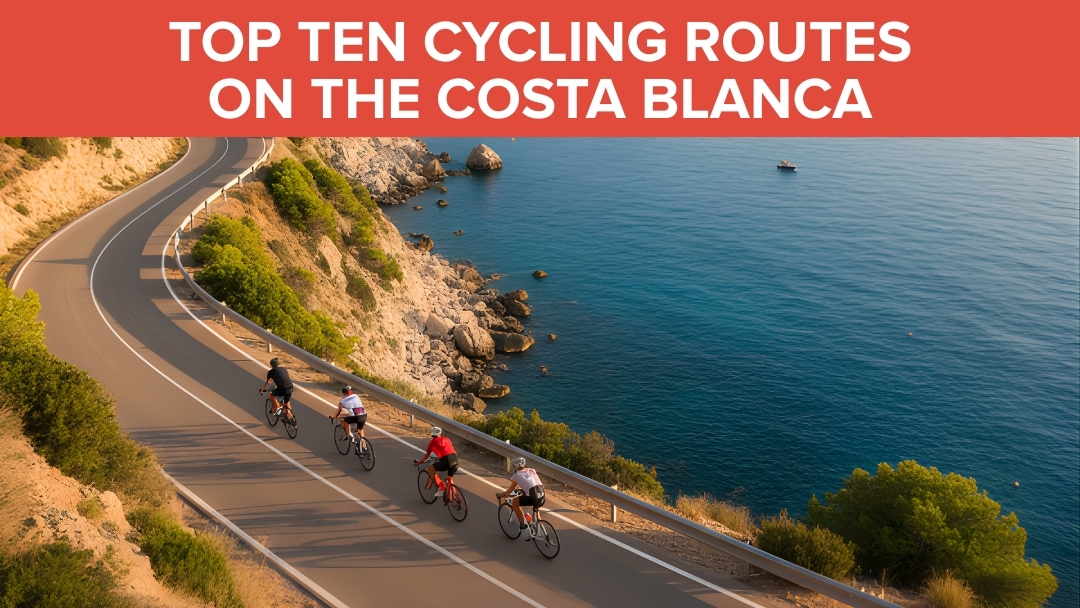
Top 10 Cycling Routes in Costa Blanca: A Complete Guide
Key Takeaways
| Quick Facts | Details |
|---|
| Best Season | October – May (15-25°C, 2,953 hours of sunshine a year per AEMET) |
| Top Route | Coll de Rates – 6.4km switchback climb, pro favorite |
| Hardest Climb | Xorret de Catí – 11.5% gradient, Vuelta a España stage |
| Beginner Pick | Calpe to Moraira coastal cruise – gentle 65km |
| Pro Spotting | Calpe (UAE Team Emirates train here), Coll de Rates |
| Safety Must | Helmets mandatory, high-vis gear, wind apps |
Costa Blanca has become Europe’s cycling paradise. The microclimate here means you can ride almost any day of the year, and the variety is real: a flat coastal cruise in the morning, mountain switchbacks by the afternoon, all without leaving the region. These ten routes represent the best the region offers, from gentle coastal cruises to brutal climbs that break professional pelotons.
Why Costa Blanca Dominates European Cycling Training
What makes Costa Blanca special? It’s not just the weather, though nearly 3,000 hours of sunshine a year definitely help. The variety here is incredible – you can start with a flat coastal ride and end up grinding through mountain switchbacks all in the same day.
UAE Team Emirates use these roads for winter training, and it shows: Tadej Pogačar set his Strava KOM on Coll de Rates during one such ride. See our Coll de Rates cycling guide and 5 Must-Ride Climbs for more on the region’s pro-cycling pedigree. The mix of challenging climbs, smooth tarmac, and relatively light traffic creates perfect training conditions. Most importantly, the gradients here build progressively – you won’t find yourself hitting a 20% wall without warning.
The infrastructure keeps improving too. New bike lanes connect major towns, and most climbs have been resurfaced in recent years. Local authorities actually listen to cycling groups, which makes a huge difference compared to other European destinations.
Download GPX files from Strava or Epic Road Rides before heading out, and check wind apps too – those coastal blasts can turn a pleasant ride into a proper battle. Spring brings wildflowers, fall offers perfect temperatures, and summer mornings beat the heat if you start early.
The Complete Costa Blanca Route Rankings
These rankings consider four key factors: popularity among pros and locals, difficulty balance, scenic value, and uniqueness. Each route has been tested multiple times in different conditions to give you the real story.
1. Coll de Rates: The Ultimate Costa Blanca Experience
This 6.4km climb from Parcent, averaging 5.5% gradient, represents everything great about Costa Blanca cycling. Endless hairpin turns sweep up through pine forests with perfect asphalt that makes you want to dance on the pedals.
Tadej Pogačar’s Strava KOM sits at 11:57, but don’t let that fool you into rushing. This climb rewards rhythm over power – find your groove and enjoy some of the most photographed switchbacks in Spain.
Why it tops our list: Vuelta a España legend status, unmatched popularity on Strava, and pure cycling joy without brutality. The 50km loop through valley vineyards and sea panoramas makes it perfect for any fitness level. Extend to Tarbena if you want more bite. See our full Coll de Rates guide for the complete breakdown.
Practical details: Start from Parcent for the classic approach, or drive 20 minutes from Calpe. Low traffic midweek, fantastic coffee stops in Parcent village. Best ridden October through May when temperatures stay comfortable.
The view from the top stretches across the entire Mediterranean coastline. On clear days, you can spot Ibiza on the horizon.
2. Xorret de Catí: Where Vuelta Dreams Die
This brutal 3.85km climb at 11.5% average gradient separates pretenders from contenders. Stage 8 of the 2023 Vuelta a España finished here, with Primož Roglič winning the GC battle and Sepp Kuss taking the race lead on those final ramps.
Starting from Boqueres, the climb begins innocuously before revealing its true nature. Single-lane roads mean no escape from the gradient – you either make it or you don’t. The 120km route via Alcoy adds beautiful meadows and plains views from the 1098m summit.
What makes it special: Genuine Vuelta history meets savage climbing. Pro training groups summit weekly, so don’t be surprised to find yourself chasing (or being dropped by) world-class riders. It’s exposed with no traffic, but that isolation adds to the challenge.
Start early and fuel properly in Boqueres – there’s nothing else until the top. Spring offers the best conditions, though winter rides can be magical if you dress appropriately. GPX files are available on Komoot for navigation.
The summit rewards suffer with panoramic views across Alcoy’s industrial plains. It’s not pretty, but it’s earned.
3. Port de Bernia: Freshly Paved Punishment
This climb from Calpe splits into distinct ramps and recovery sections, with the steepest stretches well past 15% – a proper leg-shredder that features in the Volta a la Comunitat Valenciana.
The 40km loop from Calpe hits Sierra de Bernia vistas over Altea and the Mediterranean. What’s striking is how quiet this climb stays despite its pro pedigree – most tourists stick to the coastal roads below.
Expert insight: Recent resurfacing has changed the descent – smooth tarmac now instead of the loose gravel that used to make it treacherous, though you still need caution on some corners.
Cafes in Bernia village provide perfect refueling stops, and the lack of through traffic makes it ideal for interval training. Avoid summer heat – this climb faces south and bakes in afternoon sun.
The technical nature rewards good bike handling. Short, steep ramps followed by brief recovery sections mean you need to manage effort carefully rather than just grinding away.
4. Puerto de Sa Creueta: The Perfect Recovery Ride
This gentle 7.5km climb at 3.4% average from Tarbena winds through almond groves to 800m+ Mediterranean views. It’s the perfect recovery after tackling Rates, offering stunning scenery without the leg-sapping gradients.
The 60km Jalón valley loop incorporating this climb has become legendary among local cycling groups. Rolling hills, zero traffic, and that final reward of sea views make it irresistible for weekend rides.
Hidden gem qualities: Very little traffic due to its remote location. The road surface is decent, and there are perfect picnic spots at the summit. Year-round riding conditions, though fall during harvest season adds special atmosphere.
Good as a warm-up before tackling harder climbs, or as a gentle introduction for visiting friends. The gradient never punishes, and the scenery keeps getting better as you climb higher.
Strava segments are easy to find, and the descent is fast enough to be fun without being dangerous. Almond blossom season in February transforms the entire valley into something magical.
5. Cumbre del Sol: The Coastal Wall of Fire
This demanding coastal grind near Benidorm features ramps that rival Xorret de Catí. Part of epic 123km routes with 1671m of climbing, it combines sea-hugging descents with brutal uphill sections through clifftop roads.
The Mediterranean backdrop makes every pedal stroke scenic, but don’t let the beauty distract you from those 8-10% ramps. This is expert-level riding that demands respect and preparation.
Strategic considerations: Lower sections get busy with tourist traffic, making weekends risky for serious training. However, cafes are plentiful for refueling, and winter riding offers calm seas and clear views.
The cliff-edge drama is genuinely unique in Costa Blanca. Most climbs head inland to mountains, but this one stays coastal while still providing serious elevation gain.
Sea breezes can help or hinder depending on direction. Check wind forecasts and plan your route timing accordingly – afternoon headwinds can turn challenging into impossible.
6. Calpe to Moraira and Jávea: Mediterranean Perfection
This 65km moderate roller from Calpe via Moraira to Jávea hugs the Mediterranean with the iconic Peñón de Ifach rock formation, beaches, and gentle hills mixing flats with manageable climbs.
Perfect for intermediate cyclists or as an active recovery ride, it showcases why Costa Blanca attracts cyclists of every level. Extend to Denia for a 50km historic add-on that includes some of the region’s best coastal scenery.
Accessibility factors: Cycle paths avoid the worst N-332 traffic, and beach cafes provide regular refueling opportunities. This route works any time of year, though sunrise rides offer the best light and minimal traffic.
A good recommendation for every first-time visitor because it captures Costa Blanca’s essence – stunning coastline, manageable challenges, and that perfect Mediterranean cycling atmosphere.
The Peñón de Ifach creates a natural landmark that’s visible for most of the ride, with dozens of photo opportunities along the way.
7. Vall de Gallinera: The Hidden Valley Secret
This poppy-lined 80km loop through the untouched Gallinera Valley features progressive climbs of 5-7% through olive terraces and past waterfalls. Rare traffic and genuine wildlife sightings including eagles make it feel like stepping back in time.
The valley remains largely unknown to cycling tourists, which preserves its authentic character. Stone villages, traditional farming methods, and roads that wind naturally with the landscape create a completely different Costa Blanca experience.
Off-the-beaten-path rewards: Pot-holed sections require cautious descending, but village tapas stops offer authentic local cuisine. Spring wildflower blooms peak in March and April. GPX files via Outdooractive help with navigation.
This represents ultimate uniqueness in our rankings – a genuine hidden gem that rewards adventurous cyclists. The climbing is steady rather than brutal, making it perfect for building endurance.
Eagle sightings are common, and the valley’s microclimate means comfortable riding even when coastal areas get too hot or windy.
8. Puerto de Tudons: Gateway to Aitana Epic
This 11km climb at 5.3% is the region’s busiest, leading toward Aitana, which featured as a summit finish in the 2016 Vuelta a España. The full 195km monster route with 7885m of climbing includes this section, taking riders through meadows to 1000m+ elevations.
What makes it special is the group ride culture – you’ll encounter more cyclists here than anywhere else in Costa Blanca. It’s become the unofficial meeting point for serious training rides.
Pro spotting central: Regular group rides attract ex-pros and current professionals during training camps. Water stops are sparse, so plan accordingly. Fall colors transform the entire landscape into something spectacular.
The Vuelta pedigree is real – Aitana has broken many professional cyclists over the years. The combination of length and sustained gradient creates cumulative fatigue that surprises many riders.
Meadow sections at higher elevations offer completely different scenery from coastal routes. It’s proper mountain climbing that rewards persistence over explosive power.
9. Sierra Mariola: Cultural History Meets Cycling
This 75km moderate-challenging route via Alcoy tunnels and bridges through Mariola Natural Park offers 90km circles with 1500m of climbing. Forest roads lead to sea views, creating unique variety in a single ride.
The historical elements set this apart – ancient bridges, tunnels carved through rock, and paths that have existed for centuries. It’s cycling through living history while getting a proper workout.
Year-round microclimate: Off-road options exist for variety, and low car traffic makes it family-friendly. The protected park status means consistent trail conditions regardless of season.
Cultural sites along the route include medieval bridges and traditional font areas – education and exercise combined, perfect for cyclists who appreciate context with their climbing.
Forest sections provide shade during summer months, making this one of the few routes that stays comfortable even in July and August.
10. Vall de Ebo and Coll de Garga: Pure Wild Adventure
This wild 70km route through Ebo gorge features ramps like 10% on hidden cols, transitioning from riverside sections to proper peaks. The Garga variant adds gravel options for adventure cyclists.
Remote terrain means carrying spare parts and tools – mechanical problems here require self-sufficiency. Wildlife alerts include wild boar sightings, though they typically avoid cyclists.
Ultimate undiscovered allure: Winter offers mild conditions perfect for exploration. Strava reveals hidden gem segments that few riders attempt. The combination of technical climbing and genuine wilderness creates unforgettable experiences.
This route demands preparation and respect. The rewards include complete solitude, challenging terrain, and bragging rights among local cyclists who know how difficult it can be.
Creek crossings and rock formations add adventure elements missing from more developed routes. It’s Costa Blanca’s answer to true mountain biking without leaving the road bike at home.
Looking for Something Easier? Two Relaxed Rides Worth Knowing About
Not every ride needs a Vuelta pedigree or double-digit gradients. If you want a gentler day in the saddle, or you’re breaking in a visiting friend who isn’t chasing KOMs, these two routes deliver Costa Blanca’s scenery without the suffering.
Orcheta Loop is a 40km circuit around the village of Orcheta, riding through a valley thick with almond and orange orchards. Elevation gain stays minimal throughout, which makes it one of the easiest full rides on this list. Spring is the sweet spot – the orchard blossom scents the whole valley – but it’s a pleasant, low-stress loop any time of year. Good for a recovery day, or as a first ride with someone new to cycling in the region.
The Alcoy to Gandia Greenway takes a different approach: a 75km former railway line converted into a dedicated cycle path, running from Alcoy down to the coast at Gandia. Old tunnels and bridges along the route add some character, and because it’s a disused railway, gradients stay gentle even though the distance is substantial. It’s longer than the Orcheta Loop and needs decent stamina to complete in one go, but the surface and traffic-free routing make it far less demanding than anything in the ranked list above.
Neither of these will get you Strava glory, but they’re worth knowing about for a lower-key day, or when you’re showing someone the region who isn’t after a Vuelta climb.
Quick Route Comparison and Selection Guide
Choosing the right route depends on your fitness level, time available, and what type of experience you want. Here’s how these routes stack up for different priorities:
For scenic beauty: Calpe to Moraira/Jávea offers unbeatable Mediterranean views, while Vall de Gallinera provides authentic Spanish countryside.
Difficulty progression: Start with Puerto de Sa Creueta (3.4%), advance to Coll de Rates (5.5%), then tackle Port de Bernia before attempting Xorret de Catí (11.5% average, with ramps well past 15%).
Pro spotting opportunities: Coll de Rates sees the most professional training activity, especially during winter months when teams establish Costa Blanca bases.
The variety ensures every cyclist finds their perfect challenge, from complete beginners to seasoned climbers.
Safety and Pro Tips for 2026 Costa Blanca Cycling
Safety comes first, especially on these challenging routes. Spanish road rules require lights at dusk, and high-visibility gear is strongly recommended even during daylight hours. Group riding is safer on major climbs where traffic exists.
Seasonal strategy: Winter stays dry with perfect temperatures, while summer demands pre-9AM starts to beat the heat. Afternoon July rides can turn a pleasant ride into a survival exercise.
Equipment essentials: EU road rules apply, meaning proper lighting systems and reflective gear. E-bikes are becoming hugely popular and make these routes accessible to many more cyclists. However, battery management on long climbs requires planning.
Navigation and technology: Strava segments provide excellent route planning, with KOM times showing what’s possible. Apps like Komoot offer offline GPX downloads essential for remote routes like Vall de Ebo. Always carry backup power for your cycling computer.
UAE Team Emirates use Coll de Rates for winter training, and Vuelta pros still use Catí and Aitana for altitude training during racing season.
The cycling infrastructure keeps improving each year. New bike lanes connect major towns, and climbing roads receive regular maintenance. Local cycling groups actively communicate with authorities, creating genuine improvements for riders.
Planning Your Costa Blanca Cycling Adventure
When planning your visit, consider that Calpe makes the perfect base for accessing most routes. Bike rental shops offer high-quality road bikes, and cycling friendly accommodations provide secure storage and washing facilities.
The Vuelta a España participants for 2025 will likely train on these same roads during winter months. It’s incredible motivation to ride where the world’s best prepare for their biggest races.
For beginners, start with our complete beginners guide before tackling major climbs. The progression from coastal routes to mountain climbing needs proper preparation.
Equipment needs vary significantly between routes. Top bike rental shops in Calpe stock everything from basic road bikes to high-end climbing machines. Choose equipment that matches your planned routes.
Consider combining multiple routes into longer adventures. The Jalon Valley scenic loop connects beautifully with several of our top ten picks for multi-day cycling tours.
Getting the Most from Your Costa Blanca Routes
These ten routes represent years of local knowledge and thousands of kilometers of testing. Each offers something unique, from the gentle beauty of coastal cruising to the savage punishment of Vuelta-grade climbing.
Remember that Costa Blanca’s magic lies in its variety. You can literally ride from sea level to 1000+ meters in a single day, experiencing completely different landscapes, climates, and challenges.
The pro cycling connection is real and growing. News about cycling developments shows continued investment in infrastructure and events that cement Costa Blanca’s reputation as Europe’s premier cycling destination.
Start planning your routes now, but remain flexible enough to adapt based on conditions and how you feel. Some days call for gentle coastal cruising, others demand mountain climbing punishment. Costa Blanca delivers both in spades.
Frequently Asked Questions
What’s the best time of year to cycle these Costa Blanca routes? October through May offers perfect conditions with temperatures between 15-25°C and minimal rainfall. Summer mornings work if you start before 9AM, but afternoon heat can be brutal on climbs.
Which route should complete beginners attempt first? The Calpe to Moraira/Jávea coastal route provides 65km of gentle rolling hills with spectacular scenery. Perfect introduction to Costa Blanca cycling without intimidating climbs.
Where do professional cyclists actually train in Costa Blanca? UAE Team Emirates use these roads during winter training camps. Coll de Rates is the climb most associated with pro training – Tadej Pogačar’s Strava KOM there was set on one such ride.
Do I need special equipment for these routes? Standard road bikes handle all routes, though climbing gears help on steeper sections. Helmets are mandatory in Spain, and high-vis gear plus proper lighting systems are strongly recommended.
How challenging is Xorret de Catí compared to famous European climbs? The 11.5% average with ramps well past 15% rivals anything in the Alps or Pyrenees. It’s genuinely Vuelta a España difficulty – shorter than major mountain passes but brutally steep.
Are these routes safe for solo cycling? Most routes are safe solo, though remote ones like Vall de Ebo require carrying spares and tools. Group riding is safer on busy climbs, and local cycling clubs welcome visitors.
What’s the cycling infrastructure like in Costa Blanca? Constantly improving with new bike lanes connecting towns and regular road maintenance on climbing routes. Local authorities actively support cycling tourism development.
Can I ride these routes on an e-bike? Absolutely – e-bikes are hugely popular and make challenging climbs accessible to more cyclists. Just plan battery management carefully on longer routes with significant elevation gain.
by Ralf Tenbrink | 9, Mar 2026 | Bike Rental Services in Costa Blanca, Costa Blanca News, Latest News
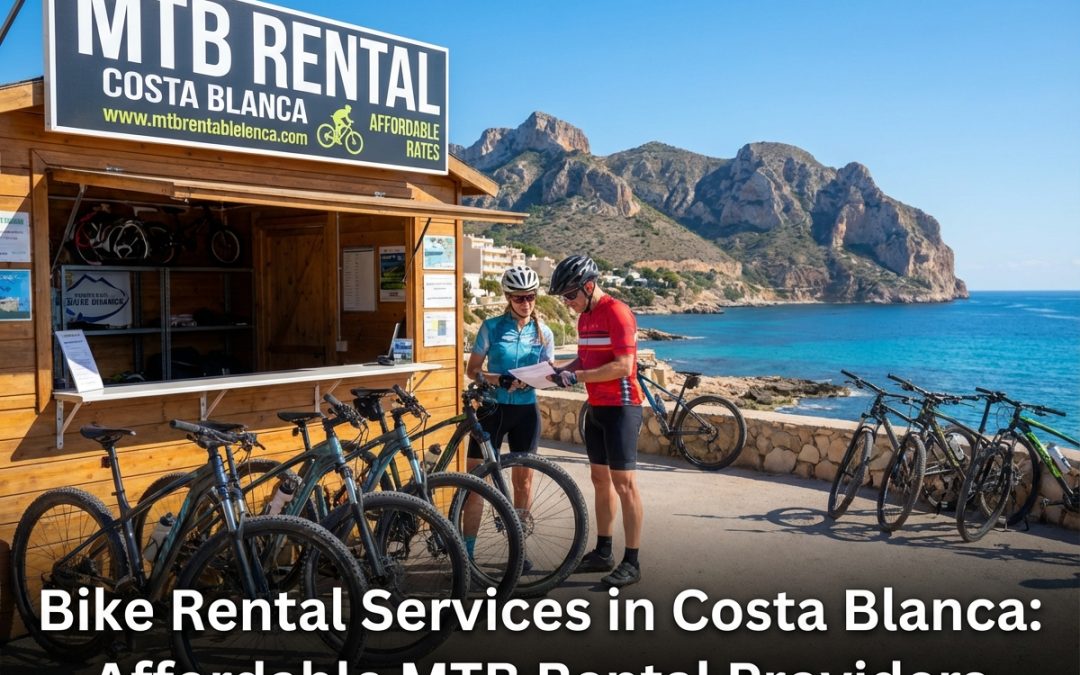
Affordable MTB Rental Providers in Costa Blanca
Key Takeaways
| Topic | Key Information |
|---|
| Cheapest option | Yumping lists hourly Calpe rentals from €5 |
| Peer-to-peer option | ListNRide connects riders with local owners and shops across the region, including an all-terrain/MTB category |
| Jávea specialists | Elite Bikes (e-MTB from €15/day) and MTB-Touren Costa Blanca (Trek and Propain hardtails, fullys and e-fullys, delivery by arrangement) |
| Guided holiday packages | Operators such as Roxybike bundle a bike into a multi-day guided holiday (from €300 for a standard MTB, €350 for an e-MTB, per package) |
| Top locations | Calpe, Jávea and the Jalón Valley have the widest range of MTB-capable operators |
| Booking tip | Book 2-3 weeks ahead in peak season (March-May, September-October); good bikes get reserved first |
Mountain biking in Costa Blanca doesn’t have to be expensive, but “affordable” here covers a genuinely mixed market: marketplace platforms with hourly rates, dedicated MTB rental shops, peer-to-peer listings, and guided holiday operators that bundle the bike into a package price. Knowing which category a provider actually falls into matters, since a few well-known local names are guided-tour or road-bike specialists rather than straightforward MTB rental shops.
Why Costa Blanca Works So Well for Mountain Biking
Costa Blanca isn’t just a beach destination. The climbs around Coll de Rates and the Sierra de Bernia give proper mountain biking terrain, while coastal paths offer flatter, easier riding for less experienced groups. The climate keeps most routes rideable year-round, which is why the region sees cyclists even in January.
Terrain varies from easy coastal paths to technical mountain routes, often within a short drive of the same base town, so a week’s trip can mix pine-forest climbs one day with coastal riding the next without long transfers between areas.
Rental and Tour Options Worth Knowing
Finding an affordable mountain bike here doesn’t mean settling for poor equipment. A few genuinely different types of operator cover the market.
Yumping — Marketplace Platform, Best for Short Rentals
Yumping’s bike rental listings include Calpe rentals from €5 for one hour, alongside dozens of other rental and tour listings across the region. Guided tours through the platform start from around €19 per person including the bike. As a marketplace rather than a single shop, pricing and availability vary by the individual listing, so it’s worth comparing a few before booking.
Lammertink Bikes — Orihuela Costa
Based in Orihuela Costa, Lammertink Bikes rents mountain bikes described on their own site as “professionally maintained… built for control, comfort and durability.” Rentals include a pump, spare tube and multi-tool. This is a solid option for the southern end of the coast, an area with fewer dedicated MTB rental shops than Calpe or Jávea.
ListNRide — Peer-to-Peer Option
ListNRide lists mountain and all-terrain bikes from individual owners and shops across Costa Blanca. Pricing and bike quality vary listing to listing, since you’re often renting directly from an owner rather than a shop, but it’s worth checking a few weeks ahead of a trip since better listings get booked first, especially in spring and autumn.
Elite Bikes — Jávea
Elite Bikes in Jávea rents electric mountain bikes from €15 per day, alongside city and electric city bikes. A straightforward option if you want an e-MTB based in the town itself rather than delivered.
MTB-Touren Costa Blanca — Jávea and the Marina Alta
MTB-Touren Costa Blanca is based in Jávea and covers Jávea, Benitachell, Jesús Pobre, Gata de Gorgos, Dénia and Moraira. Their fleet runs Trek and Propain hardtails, fullys and e-fullys, and they’ll deliver rental bikes to your accommodation and collect them again for an additional fee, arranged directly with them. Genuinely MTB-focused, which sets it apart from several of the road- and e-road-only rental operators in the same towns.
Costablanca Cycling — Calpe
Costablanca Cycling in Calpe combines bike rental with a retail shop, mechanic support and guided routes, plus hotel-and-bike packages. A good one-stop option if you’d rather have a shop nearby than arrange delivery.
What Different Rental Approaches Actually Cost
Pricing depends heavily on which type of operator you use.
Hourly rentals (from around €5)
– Useful for testing a route before committing to a full day
– Available mainly through marketplace platforms like Yumping in tourist towns such as Calpe
Daily rentals (from around €15)
– Elite Bikes’ e-MTB rate is a useful reference point for the Jávea area
– A full day typically means access from morning to evening, sometimes overnight
Guided holiday packages (€300-350 per package)
– Operators such as Roxybike build the bike cost into a multi-day guided holiday rather than renting it separately
– Roxybike’s own pricing runs €300 for a standard MTB and €350 for an e-MTB as part of their package, and their equipment list expects riders to bring their own multitool, spare derailleur hanger and brake pads rather than supplying them
– This is a different product to a standalone weekly rental, worth knowing before you compare prices
Delivery-inclusive rentals
– MTB-Touren Costa Blanca will deliver and collect for an extra, arranged fee
– Several other operators serving the coast (Alta Bike Rental, DP Cycling, TopBikes) offer free or paid delivery too, but for road and e-road bikes rather than MTBs specifically, so check the bike type before assuming a delivery service covers mountain bikes
Where to Rent Based on Your Location
Calpe
Calpe has the widest range of marketplace listings, with Yumping’s €5 hourly rate and Costablanca Cycling’s combined rental-and-shop model both based here. It’s an easy base if you want to compare several options without much travel between them.
Jávea and the Marina Alta
Jávea has the clearest concentration of genuinely MTB-focused operators: Elite Bikes for a straightforward e-MTB rental from the town itself, and MTB-Touren Costa Blanca for a wider Trek/Propain fleet with delivery across Jávea, Benitachell, Jesús Pobre, Gata de Gorgos, Dénia and Moraira. The terrain here runs rockier and more technical, so suspension and tyre choice matter more than in the flatter coastal towns.
Orihuela Costa and the South
Lammertink Bikes is the main dedicated MTB rental option at the southern end of the coast, useful if you’re based around Orihuela Costa or Torrevieja rather than the Calpe-to-Dénia stretch most other operators cover.
Standard MTB vs E-MTB
Standard mountain bikes
– Typically the cheaper option across every operator type covered here
– Lighter and more responsive on technical sections
– Better suited to riders who are already reasonably fit
Electric mountain bikes
– Roxybike’s own package pricing puts an e-MTB at €50 more than a standard MTB (€350 vs €300)
– Make steep, sustained climbs manageable for a wider range of fitness levels
– A sensible option for mixed-ability groups, or anyone recovering from injury who still wants to cover real mountain terrain
What Comes With Your Rental
What’s included varies by operator, so it’s worth confirming before you book rather than assuming. Lammertink Bikes’ rentals include a pump, spare tube and multi-tool. Roxybike’s holiday package, by contrast, expects riders to bring their own multitool, spare derailleur hanger and brake pads. A helmet is commonly included or available on request, since it’s a legal requirement for cyclists outside built-up areas in Spain, but confirm this with the specific operator rather than assuming it’s automatic.
Booking and Saving Money
Compare across platforms, not just shops. Yumping and ListNRide both aggregate multiple listings, so it’s worth checking those alongside contacting a dedicated shop like Elite Bikes or MTB-Touren Costa Blanca directly.
Book ahead in peak season. March-May and September-October are the busiest months; better bikes get reserved first, particularly through peer-to-peer listings on ListNRide.
Check what “package” actually means. As the Roxybike example shows, a headline price that looks like a weekly rental can actually be a guided holiday package with a different inclusion list. Ask specifically what’s covered before comparing prices between operators.
Ask about delivery separately from the bike type. Several well-known delivery services on this coast (DP Cycling, Alta Bike Rental, TopBikes) only cover road and e-road bikes. Confirm an operator actually stocks mountain bikes before assuming their delivery service applies.
Confirm the deposit and payment method. Rental deposits are common across operators; ask whether cash, card, or both are accepted when booking.
Real Costs Beyond the Rental Fee
- Bike shorts or padded underwear: €20-40 if you don’t already have them
- Gloves: €15-25 for a basic pair
- Sunscreen: €10-15
- Water and snacks: €5-10 per ride
- Parking: €2-5 if you’re driving to a trailhead
If you’re combining this with a self-guided cycling tour, budget separately for lunch stops along the route.
Routes Worth Riding on a Rental Bike
Finestrat Forest Trail. This mountain biking trail runs through pine forest with enough technical sections to stay interesting without being extreme, roughly 2-3 hours on a standard MTB.
Puig Campana Mountain Trail. The Puig Campana route is significantly tougher and suits an e-MTB unless you’re already strong on climbs. The summit views are the payoff.
Jalón Valley Scenic Loop. Less technical and more about scenery, the Jalón Valley route runs through vineyards and small villages, a good option for a recovery day or a mixed-ability group.
Maintenance and Support
Mechanical issues happen on any rental, particularly on rougher trails. Lammertink Bikes’ inclusion of a pump, spare tube and multi-tool covers the basics for a roadside fix; it’s worth knowing how to change a flat before you set off, since mobile coverage can be patchy once you’re deep into a mountain route. For anything beyond a simple repair, contact the rental operator directly. Several, including Costablanca Cycling, offer mechanic support as part of their service.
Insurance and Damage Policies
Read the rental agreement before signing. Most operators charge for damage beyond normal wear, so check specifically what counts as chargeable damage versus expected wear before you ride. Some operators offer optional damage insurance for an extra daily fee; check whether your own travel insurance already covers rental bike damage before paying for it twice, since policies vary on this.
Best Times of Year for MTB Rentals
January-February: generally the quietest and cheapest period, though weather is more variable.
March-May: peak season, reliable weather, book ahead.
June-August: hot, especially inland; some operators discount rates as demand for midday riding drops, though early starts remain the more comfortable option.
September-October: the second peak season, with reliably good weather and higher demand.
November-December: quieter again, with shorter daylight hours but generally rideable conditions.
What to Bring When You Pick Up Your Rental
- Photo ID (passport or driving licence)
- A card or cash for the deposit, depending on what the operator accepts
- Your booking confirmation
- Your own pedals if you ride clipless (most rentals come with flat pedals)
- The operator’s contact number saved in your phone
Test the bike before you leave: check the brakes, run through the gears, and confirm the seat height and suspension setup feel right. It’s far easier to adjust this at pickup than partway into a ride.
Common Mistakes to Avoid
Renting the wrong size. A bike that’s too big or too small makes for a miserable ride. If you’re between sizes for mountain biking, sizing down is usually the safer choice.
Skipping the pre-ride check. Test the brakes, shift through every gear, and check the suspension before leaving the shop. It’s much harder to fix a problem once you’re well into a trail.
Ignoring the return time. Late returns are commonly charged extra, sometimes a full additional day. If you’re running late, call ahead: most operators are flexible if you communicate.
Returning a filthy bike. A quick rinse before returning the bike is common courtesy and can avoid a cleaning charge on operators that apply one.
Alternatives to a Standalone Rental
Guided holiday packages. Operators such as Roxybike build the mountain bike into a multi-day guided holiday rather than renting it as a standalone item, at €300 (standard MTB) or €350 (e-MTB) per package. This suits riders who want route planning and guiding included rather than arranging everything separately. Bike holidays covers this style of trip in more detail.
Guided tours with the bike included. Denia-based Aventura Pata Negra runs guided MTB group tours (roughly €60-100 per person) rather than plain rentals, using both standard mountain bikes and e-bikes (Haibike Hardnine 5, Mondraker Chaser on select routes). A good option if you’d rather ride with a local guide than navigate independently.
Long-term stays. If you’re staying a month or more, ask individual operators directly about a long-term rate; this generally isn’t advertised publicly, so it’s worth a direct enquiry rather than assuming it doesn’t exist.
Frequently Asked Questions
Do I need to book bike rentals in advance? In peak season (March-May, September-October), yes, ideally 2-3 weeks ahead. In quieter months you can sometimes book closer to your trip, though your choice of bikes will be more limited.
Can I rent a mountain bike for just a few hours? Yes. Yumping lists hourly rentals from €5 in Calpe. Most dedicated MTB shops prefer half-day, full-day or weekly bookings.
What happens if the bike breaks down during my rental? Contact the rental operator directly; several, including Lammertink Bikes, include basic repair tools with the rental, and it’s worth saving the operator’s number before you set off in case you need to call for help.
Are helmets included with rentals? This varies by operator, so confirm when booking. Helmets are a legal requirement for cyclists outside built-up areas in Spain.
Can I take a rental bike on rough, technical trails? Ask the specific operator what’s permitted. Some rental agreements restrict extreme terrain, and damage from riding outside the agreed terms is typically chargeable.
Do rental shops deliver bikes to my accommodation? Some do. MTB-Touren Costa Blanca delivers and collects mountain bikes for an additional, arranged fee across the Jávea area. Several other well-known delivery services on this coast (DP Cycling, Alta Bike Rental, TopBikes) cover road and e-road bikes rather than MTBs, so confirm the bike type before booking a delivery expecting a mountain bike.
What’s the deposit for a mountain bike rental? This varies by operator; ask directly when booking, and confirm whether they accept card, cash, or both.
Can I extend my rental if I want to keep the bike longer? Usually, if the bike isn’t already booked for someone else. Contact the operator before your rental ends to arrange it.
Research sources: Business details, fleet information and pricing checked directly against each operator’s own website in September 2026: Yumping, Lammertink Bikes, ListNRide, Elite Bikes, MTB-Touren Costa Blanca, Costablanca Cycling, Roxybike, Aventura Pata Negra, DP Cycling and Alta Bike Rental.
by Ralf Tenbrink | 2, Mar 2026 | Bike Rental Services in Costa Blanca, Costa Blanca News, Latest News
Top Bike Rental Shops in Alicante
Key Takeaways
| Topic | Key Information |
|---|
| Best Premium Option | Blanca Bikes offers exclusive Cervélo carbon bikes with 4 pickup locations |
| Most Convenient Service | Peloton Belgica provides free bike delivery and collection at your location |
| Price Range | Daily rentals start from €35 for road bikes, €60 for e-bikes |
| Main Rental Areas | Altea, Calpe, Denia, Javea, Benidorm, and Jalon Valley |
| Bike Types Available | Road bikes, e-bikes, mountain bikes, and gravel bikes |
| Booking Method | Online booking available through company websites |
| Additional Services | Bike fitting, guided tours, workshop repairs, and accommodation packages |
| Experience Level | Options available for beginners through professional cyclists |
Finding the Right Bike Rental Shop in Costa Blanca
Costa Blanca has become a popular spot for cyclists from all over Europe. The weather stays nice most of the year, and the roads wind through mountains and along the coast. But how do you pick a good bike rental shop when you’re planning your trip?
Most rental shops in the area focus on road bikes because thats what most visitors want. You’ll find everything from basic models to professional-grade carbon bikes. The main towns for bike rentals are Calpe, Altea, Denia, and Benidorm – these places have the most options and the best infrastructure for cyclists.
When I first visited Costa Blanca, I made the mistake of booking the cheapest option I could find online. The bike worked fine, but the gears weren’t set up properly and I spent the first day adjusting everything myself. Now I always check what services come with the rental, not just the price.
For more information about cycling in the region, check out our guide on cycling routes which covers the best areas to explore.

Peloton Belgica started in September 2021 and they’ve built their business around convenience. They’ll bring the bike to wherever you’re staying – whether thats a hotel in Benidorm or a villa in Altea. And when you’re done? They come pick it up. No need to drive anywhere or worry about transportation.
Their bike selection focuses on high-end models. The Scott Addict series comes with electronic shifting – either SRAM eTap AXS or Shimano Di2. All bikes include powermeters, which is great if you like tracking your performance data. They also offer Ridley road bikes, which is a Belgian brand known for quality.
What really sets them apart is the bike fitting service. Before you ride, they adjust the bike to match your body measurements and riding style. This might sound like a small thing, but it makes a huge difference on longer rides. I’ve seen people struggle through 80km rides on poorly fitted bikes, and its not fun.
Service Areas:
- Altea (main base)
- Calpe
- La Nucia
- Polop
- Benidorm
- Finestrat
- Albir
They also offer package deals with Hotel Cap Negret in Altea. If you’re planning a dedicated cycling trip, these packages can save you money and hassle. You can explore more options for bike rentals across the Costa Blanca region.

Blanca Bikes does one thing and does it well – they only rent Cervélo bikes. No other brands, no compromises. If you know bikes, you know Cervélo makes some of the best carbon frames in the world. If you dont know bikes, just trust me – these are really good bikes.
They have four locations where you can pick up or drop off bikes: Denia, Calpe, Parcent, and Javea. The Parcent location is special because its also their Base Camp Cafe and workshop. You can grab coffee, get repairs done, or join one of their guided tours all from the same place.
Pricing Structure:
| Bike Model | Daily Rate | Weekly Rate |
|---|
| Caledonia Rival eTAP AXS | €35 | Discounted |
| Caledonia-5 | €40 | Discounted |
| Soloist | €45 | Discounted |
| Pro Upgrades | €53 | Discounted |
| Rouvida E-bike | €60 | Discounted |
The longer you rent, the better the daily rate gets. They also offer premium delivery service to areas like Albir, Altea, Benidorm, and the Jalon Valley. This costs extra, but its worth it if you’re staying somewhere without easy access to their pickup locations.
Their workshop services are handy if something goes wrong during your trip. I once had a flat tire on day three of a week-long rental, and they fixed it within an hour at their Parcent location. For those interested in exploring the area, our Jalon Valley scenic loop is a perfect route to try.

Allure Bike Rental calls themselves “not the largest but definitely the best” rental company on Costa Blanca. Thats a bold claim, but their customer reviews back it up. They focus on providing excellent service rather than having the biggest fleet or the most locations.
The company emphasizes personalized attention. When you book with them, you’re not just getting a bike – you’re getting advice on routes, local knowledge, and support throughout your rental period. This approach works well for people who are new to the area or want more guidance.
Unfortunately, specific details about their bike models and pricing werent available in my research. But their reputation suggests they’re worth contacting directly if you value service quality over having the newest equipment. Sometimes a well-maintained older bike with great support beats a brand-new bike with no help.
Many cyclists who visit Costa Blanca regularly have their favorite rental shops, and Allure often comes up in conversations. Word-of-mouth recommendations mean alot in the cycling community. If you’re planning your first visit, check out our beginner’s guide to cycling Costa Blanca.

Other Bike Rental Options Across Costa Blanca
Beyond the main companies, several other rental shops operate throughout Costa Blanca. Each has its own focus and service area:
Northern Costa Blanca:
- Montgó Bikes (Denia area)
- Xabias Bike (Javea)
- TAO bike (various locations)
Central Costa Blanca:
- Start With Bike (Calpe – recommended for club riders)
- Azrentandbike (multiple areas)
General Services:
- Travel Costa Blanca (tour packages with rentals)
- Segway Eco Tours (alternative transport options)
- Segway Trip Denia (electric options)
Prices across these companies range from €5 per hour for basic bikes in Calpe to €60+ per day for specialized equipment. The hourly option works well if you just want to ride around town for a bit, but daily or weekly rates make more sense for serious cycling.
Start With Bike in Calpe gets mentioned alot by club riders – these are people who ride regularly and know what they’re looking for in a rental bike. That endorsement tells you something about their quality. For exploring the Calpe area specifically, we’ve compiled a list of top bike rental shops in Calpe.

What to Look for When Choosing a Rental Shop
Picking a bike rental shop isnt just about finding the cheapest option. Here’s what actually matters:
Bike Condition and Maintenance: Ask about their maintenance schedule. Good shops service their bikes regularly, not just when something breaks. Check reviews for mentions of mechanical problems – if multiple people complain about the same issues, thats a red flag.
Fitting and Setup: Can they adjust the bike to fit you properly? This includes saddle height, handlebar position, and cleat setup if you’re using clipless pedals. A proper fit prevents pain and injury.
Support Services: What happens if you get a flat tire 40km from your hotel? Do they offer roadside assistance? Can you swap bikes if something isnt working right? These questions matter more than you think.
Location Convenience: Where do you pick up and return the bike? If the shop is an hour’s drive from your accommodation, factor that into your decision. Some companies offer delivery, which solves this problem but usually costs extra.
Insurance and Damage Policies: What are you responsible for if something happens to the bike? Clear policies protect both you and the rental company. Read the fine print before you sign anything.
I learned this lesson the hard way when I scratched a frame on a rocky descent. The rental agreement said I was responsible for “all damage,” which ended up costing me €300. Now I always ask about insurance options upfront. You might also want to explore bike repair services in the area, just in case.

Booking Your Bike Rental: Practical Tips
Most rental shops in Costa Blanca accept online bookings. This is convenient, but it also means you need to plan ahead – especially during peak season (March through May and September through October).
How Far in Advance Should You Book? For popular periods, book at least 2-3 weeks ahead. If you’re visiting in summer or winter, you can probably book just a few days before. But why risk it? Booking early often gets you better rates anyway.
Payment Methods: Peloton Belgica uses Mollie payment service for online bookings. Most shops accept credit cards, but some smaller operations might prefer bank transfers or cash. Check before you assume.
What to Bring:
- Photo ID (passport or driving license)
- Credit card for deposit
- Your cycling shoes if you use clipless pedals
- Any specific measurements if you know them (saddle height, reach, etc.)
Communication: If you have specific requirements – like needing a compact chainring or preferring a certain saddle type – tell the rental shop when you book. Don’t assume they’ll have exactly what you want if you just show up.
Some shops offer package deals that include accommodation. If you’re planning a dedicated cycling holiday, these packages can save money and simplify logistics. Hotel Cap Negret in Altea partners with Peloton Belgica, for example. For more accommodation options, visit our Costa Blanca biking accommodation page.

Understanding Rental Costs and Value
Bike rental prices in Costa Blanca vary widely based on bike quality, services included, and rental duration. Here’s how to think about costs:
Daily vs Weekly Rates: Daily rates look expensive, but weekly rates usually offer significant discounts. If you’re staying for 5+ days, weekly rental almost always makes more sense financially.
What’s Included: Basic rental usually includes the bike, helmet, and basic tools. Premium services might include:
- Professional bike fitting
- Delivery and collection
- Roadside assistance
- GPS devices
- Spare wheels
- Nutrition products
Hidden Costs to Watch For:
- Delivery fees (can be €20-50 depending on distance)
- Damage deposits (usually €500-1000, refunded if no damage)
- Insurance options (€5-15 per day)
- Pedal upgrades (if you need specific types)
- Extra equipment (spare tubes, CO2 canisters, etc.)
Is Premium Worth It? If you’re riding 50+ kilometers per day, yes. The difference between a €35/day bike and a €53/day bike becomes very noticeable over long distances. Better components mean smoother shifting, lighter weight, and more comfort.
But if you’re just cruising around town or doing short rides, a basic rental works fine. Match the bike quality to your riding plans, not your ego. I’ve seen people rent €100/day bikes for gentle 20km rides along the coast – total waste of money.
For those planning extensive rides, our Benidorm to Guadalest scenic ride is a challenging but rewarding route.
Frequently Asked Questions
Do I need to book bike rentals in advance? Yes, especially during peak cycling season (March-May and September-October). Booking 2-3 weeks ahead ensures you get the bike you want. Last-minute bookings might work in summer or winter, but you’ll have fewer options.
What happens if the bike breaks down during my rental? Most reputable shops offer support for mechanical issues. Blanca Bikes has workshop locations, and Peloton Belgica provides assistance for their rentals. Always get the shop’s emergency contact number when you pick up the bike.
Can I rent a bike for just one day? Yes, all major rental shops offer daily rentals. However, weekly rates provide better value if you’re staying longer. Daily rates typically range from €35-60 depending on bike quality.
Do rental bikes come with helmets and tools? Basic equipment like helmets and essential tools usually comes included. However, confirm this when booking. Some shops charge extra for premium helmets or additional accessories.
What size deposit do I need to pay? Deposits typically range from €500-1000 depending on bike value. This gets refunded when you return the bike undamaged. Bring a credit card as most shops don’t accept cash deposits.
Are electric bikes available for rent? Yes, several shops offer e-bikes. Peloton Belgica rents Scott Genius eRIDE mountain bikes, and Blanca Bikes offers the Cervélo Rouvida e-bike starting at €60 per day.
Can the rental shop deliver the bike to my hotel? Peloton Belgica offers free delivery throughout their service area. Blanca Bikes charges extra for premium delivery to locations like Albir, Altea, and Benidorm. Check delivery options when booking.
What if the bike doesn’t fit me properly? Good rental shops provide fitting services. Peloton Belgica includes professional bike fitting with all rentals. If you’re uncomfortable during your first ride, contact the shop immediately – they should make adjustments.