Ride the Vuelta 2026 Costa Blanca Queen Stage: GPX + Amateur Version

Ride the Vuelta 2026 Costa Blanca Queen Stage: GPX + Amateur Version

Ride the Vuelta 2026 Costa Blanca Queen Stage: GPX + Amateur Version

Key Takeaways

Aspect Details
Stage Profile 187km from Villajoyosa to Alto de Aitana with 5,100m elevation gain
Difficulty Level Queen stage with 6 categorised climbs including 20% gradients
Date Sunday, August 30, 2026
Key Climbs El Miserat (Cat 1), Puerto de Tudons (Cat 2), Alto de Aitana finale
Amateur Options Shortened 120km version with bailout points in Benidorm and Guadalest
Essential Stops Guadalest village (water/food), Confrides (emergency services)
Best Starting Base Villajoyosa or Benidorm for accommodation and bike rental access

The Monster Stage That Defines the 2026 Vuelta

Stage 9 of the 2026 Vuelta a España stands as the race’s true queen stage. Why do riders fear this particular day more than any other? The numbers tell the story: 187 kilometres of punishing terrain with over 5,100 metres of climbing packed into a single day.

This isn’t just another mountain stage. Valencia News describes it as one of the hardest stages in Vuelta history, featuring six categorised climbs that will separate the wheat from the chaff. The route tackles two first-category ports and two second-category climbs before the brutal finale at Alto de Aitana.

Starting from the coastal town of Villajoyosa, riders face an immediate shock to the system. The early kilometres lull you into false security along the Mediterranean coastline, but this changes rapidly as the road turns inland. What makes this stage particularly savage is the relentless nature of the climbing – there’s barely a flat section once you leave the coast behind.

The Alto de Aitana stage guide breaks down exactly why this climb has earned its fearsome reputation among professional cyclists.

Professional Route Breakdown and GPX Data

Getting hold of accurate GPX data for Stage 9 proves tricky at this stage. Race organisers typically release detailed GPS files closer to the event date, and since we’re still months away from August 2026, official files remain under wraps.

However, experienced local cyclists have reconstructed the route based on official Vuelta stage information and decades of riding these same roads. The key sections break down as follows:

Kilometres 0-40: Rolling coastal terrain from Villajoyosa through Benidorm, gaining approximately 400 metres of elevation. This section feels deceptively easy – many amateur riders make the mistake of pushing too hard here.

Kilometres 40-85: The real climbing begins with El Miserat, the first Category 1 ascent. Expect sustained gradients of 6-8% with occasional ramps hitting double digits. The descent offers brief respite before Puerto de Tudons.

Kilometres 85-140: Puerto de Tudons (Category 2) followed by undulating terrain through the Valencia interior. This middle section catches riders off guard – it’s not flat, despite what the elevation profile suggests.

Kilometres 140-187: The finale. Alto de Aitana returns to the Vuelta after a ten-year absence, and it hasn’t gotten any easier. The final climb averages 7.2% but includes several sections exceeding 15%.

Professional teams spend months studying video footage and gradient data for stages like this. They know exactly where to position their climbers and when to launch decisive attacks.

The Killer Climbs: What You Need to Know

El Miserat stands as the stage’s first major test. This Category 1 climb stretches for 12.8 kilometres with an average gradient of 5.9%. Sounds manageable? The statistics lie. The climb includes several brutal ramps exceeding 12%, particularly in the final 4 kilometres where many riders crack completely.

Puerto de Tudons follows as the second major ascent. At 8.2 kilometres long with an average of 6.8%, this Category 2 climb often determines who survives for the finale. The road surface deteriorates in sections, adding technical challenges to the physical demands.

But it’s the finale that truly separates this stage from others. Alto de Aitana’s return after a decade means many current professionals have never raced up this beast. The climb spans 15.2 kilometres at an average gradient of 7.2%. Those percentages tell only part of the story.

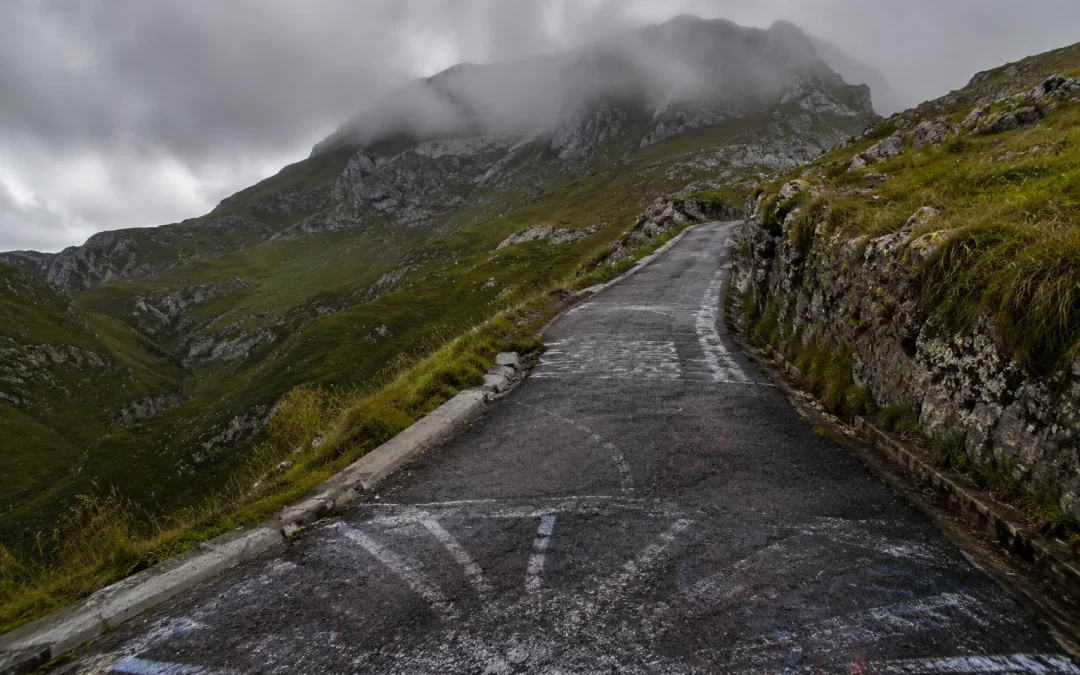
The real killer comes in the final 8 kilometres – the Collado del Alguacil section. Here, gradients spike to 20% on multiple occasions. I’ve seen hardened climbers reduced to walking pace on these ramps. The road literally points skyward, and there’s nowhere to hide when your legs start screaming for mercy.

What makes Alto de Aitana particularly vicious is the false summit at kilometre 12. Many riders think they’ve conquered the beast, only to discover another 3 kilometres of punishment await. This psychological blow often proves more devastating than the physical demands.

Amateur-Friendly Route Modifications

Most recreational cyclists shouldn’t attempt the full professional route. The 5,100-metre elevation gain represents a serious challenge that requires months of specific preparation. Instead, here’s a sensible amateur version that captures the stage’s essence without the excessive punishment.

The 120km Amateur Version

Start in Benidorm rather than Villajoyosa, cutting 25 kilometres from the route. This modification eliminates some early rolling terrain while maintaining the stage’s character. From Benidorm, head inland toward Guadalest via the scenic CV-70.

Include El Miserat as your major climb – it’s essential for understanding what the professionals face. However, after conquering this beast, take the descent toward Guadalest rather than continuing to Puerto de Tudons. This cuts approximately 1,800 metres of elevation gain while preserving the authentic mountain experience.

The 80km Shorter Option

For cyclists wanting a taste of Vuelta terrain without the full commitment, start from Guadalest village. This picturesque mountain town sits at 400 metres elevation and provides easy access to the finale climb. The route becomes: Guadalest → Confrides → Alto de Aitana → return via the same route.

This version includes approximately 2,200 metres of climbing over 80 kilometres. It’s still a serious challenge but achievable for most cyclists with reasonable fitness levels. The Benidorm to Guadalest scenic ride offers similar terrain for training purposes.

Strategic Starting Points and Accommodation

Choosing the right base makes a massive difference for your Vuelta stage attempt. Villajoyosa works perfectly if you’re tackling the full professional route, but most amateur cyclists benefit from alternative starting points.

Benidorm: The Practical Choice

Benidorm offers the best combination of accommodation options, bike rental services, and route access. The city sits 15 kilometres into the professional route, making it ideal for shortened versions. Multiple bike rental shops in Benidorm stock quality road bikes suitable for mountain stages.

Hotel options abound, but cyclist-specific accommodation provides better value. Many establishments offer secure bike storage, early breakfast service, and packed lunches – essentials for tackling a monster stage like this.

Calpe: The Coastal Alternative

Calpe works well for cyclists planning multi-day adventures. The town’s cycling-friendly hotels cater specifically to serious riders. From Calpe, you can easily access Stage 9’s route while exploring other Costa Blanca climbs.

The drive to Villajoyosa takes 45 minutes, or you can start directly from Calpe and create your own version incorporating different terrain. Local knowledge proves invaluable here – speak to bike shop staff about route modifications that suit your ability level.

Guadalest: The Mountain Base

For the ultimate mountain experience, consider staying in Guadalest village itself. This stunning location puts you at the heart of the climbing action. Accommodation options are limited but atmospheric – you’ll wake up surrounded by the same peaks that challenge Vuelta professionals.

From Guadalest, you can attempt various segments of Stage 9 without committing to the full route. It’s also perfect for exploring other Costa Blanca mountain biking trails during your stay.

Essential Water Stops and Bailout Points

Proper planning separates successful stage attempts from disasters. Stage 9’s remote sections offer limited opportunities for resupply, making strategic water stops crucial.

Confirmed Water Stops

Benidorm (km 25): Multiple cafes, supermarkets, and bike shops. Stock up here if continuing inland – it’s your last major town for 60 kilometres.

Guadalest (km 65): Small village with basic facilities. The local cafe serves excellent coffee and simple food. Don’t expect extensive provisions, but you can refill bottles and grab energy bars.

Confrides (km 78): Tiny village with limited options, but there’s usually a small shop open during daylight hours. More importantly, this represents your last bailout point before the finale climb.

Emergency Bailout Routes

Smart amateur cyclists always plan escape routes. Stage 9’s remote terrain makes this planning essential rather than optional.

From Guadalest, you can descend back toward Benidorm via the CV-70. This route avoids the remaining major climbs while providing scenic mountain descents. Total distance from Guadalest back to Benidorm: 38 kilometres with predominantly downhill terrain.

From Confrides, the bailout becomes more complex. You’re committed to climbing at least part of Alto de Aitana or facing a very long descent back to civilisation. This is why most amateur attempts turn around at Guadalest unless specifically targeting the final climb.

The Polop to Callosa route offers similar mountain terrain with easier bailout options for training purposes.

Timing Your Attempt: Weather and Seasonal Considerations

Stage 9 takes place on August 30, 2026 – typically one of the year’s hottest periods in inland Valencia. Professional cyclists benefit from team support and early morning starts, but amateur riders face additional challenges.

Summer Heat Management

August temperatures routinely exceed 35°C in the valleys, while mountain peaks offer only modest relief. Starting at dawn becomes essential rather than optional. Plan to begin climbing El Miserat before 8 AM to avoid the worst heat.

Carry significantly more water than normal – at least 3 litres for the full route. The amateur version still requires 2+ litres, and mountain springs are unreliable during summer months. Heat exhaustion represents the biggest danger for recreational cyclists attempting this stage.

Alternative Seasons

October through April offers much better conditions for amateur attempts. October particularly shines – warm enough for comfortable climbing but without summer’s crushing heat. Many cyclists find March and April ideal, though afternoon thunderstorms can develop rapidly in the mountains.

Winter attempts are possible but require careful weather monitoring. Snow occasionally affects the higher elevations, particularly around Alto de Aitana’s summit. Always check local conditions before venturing into the mountains during cooler months.

The self-guided cycling tour planning guide provides detailed advice on seasonal considerations for Costa Blanca mountain cycling.

Training and Preparation for the Queen Stage

Attempting Stage 9 without proper preparation guarantees suffering. The professional route demands serious fitness, while even the amateur version requires targeted training.

Building Climbing Endurance

Most cyclists underestimate the demands of extended climbing. Stage 9 includes over 4 hours of sustained ascent for strong amateur riders – possibly 6+ hours for recreational cyclists. Your training must reflect these time demands.

Focus on rides lasting 4-6 hours with significant elevation gain. If you can’t access mountains, use indoor training with extended threshold intervals. But nothing truly prepares you for the real thing except actual mountain climbing.

Local Costa Blanca routes provide excellent training opportunities. The Jalon Valley scenic loop offers sustained climbing without Stage 9’s extreme gradients. Build your base fitness on routes like this before attempting the Vuelta stage.

Technical Preparation

Mountain cycling demands more than pure fitness. Gear selection becomes crucial on gradients exceeding 15%. Most amateur bikes carry insufficient low gearing for Stage 9’s steepest sections.

Consider a compact chainset (50/34) paired with an 11-32 or even 11-34 cassette. These combinations provide bailout gears for the steepest ramps. Don’t let pride prevent you from choosing appropriate gearing – walking sections of Alto de Aitana is embarrassing and dangerous.

Practice sustained climbing in the saddle. Many recreational cyclists rely too heavily on standing, which proves unsustainable on 15+ kilometre ascents. Learn to vary your position while maintaining efficient power transfer over extended periods.

Proper hot wax chain care becomes particularly important for mountain stages, where dirty chains can cost precious watts over extended climbs.

Frequently Asked Questions

When will official GPX files be released for Stage 9?

Race organisers typically release detailed GPS files 2-3 months before the event. Expect official GPX data to become available in May or June 2026. The official Vuelta website will host these files once available.

Can I ride the route year-round or only during summer?

The route remains accessible throughout the year, though conditions vary significantly. Summer brings extreme heat but guaranteed road access. Winter occasionally sees snow on Alto de Aitana’s upper sections. Spring and autumn offer the best conditions for amateur attempts.

What’s the minimum fitness level needed for the amateur version?

You should comfortably complete 100km rides with 2,000+ metres of climbing before attempting the amateur version. If you’ve never climbed for more than 90 minutes continuously, build more base fitness first. The full professional route requires significantly higher fitness levels.

Are there bike rental options specifically for mountain stages?

Yes, several Costa Blanca bike rental services offer road bikes with mountain-appropriate gearing. Book well in advance during peak season, and specify your need for low gearing when making reservations.

How does Stage 9 compare to other famous European climbs?

Stage 9’s accumulated difficulty rivals anything in the Tour de France or Giro d’Italia. The 5,100m elevation gain exceeds most single-day stages in these races. However, individual climbs like Alto de Aitana don’t match the sustained difficulty of Alpine or Pyrenean giants.

What happens if I get into trouble on the remote sections?

Mobile phone coverage can be spotty in the mountains, particularly between Guadalest and the Alto de Aitana summit. Always inform someone of your planned route and return time. Carry basic tools and know how to fix common mechanical issues. The safety tips for solo touring provide essential guidance for remote mountain cycling.


Deep Dive on Stage 9: La Vila Joiosa – Alto de Aitana

Deep Dive on Stage 9: La Vila Joiosa – Alto de Aitana

Deep Dive on Stage 9: La Vila Joiosa – Alto de Aitana

Key Takeaways

Aspect Details
Distance 187.5 km (some sources suggest up to 188.8 km)
Elevation Gain Over 5,000m of climbing
Classification Mountain stage – one of the hardest in Vuelta history
Key Climbs Alto de El Miserat (1st category), Puerto de Tudons (2nd category), Alto de Aitana (summit finish)
Start Location La Vila Joiosa (first-ever Vuelta start for the town)
Finish Alto de Aitana – celebrating 25 years since its Vuelta debut
Date Sunday, August 30, 2026
Race Window Approximately 12:00 start to 17:00 finish

Route Overview: From Costa to Summit in One Brutal Day

La Vila Joiosa makes its Vuelta debut as a start town in 2026, but riders won’t be admiring the Mediterranean views for long. This stage transforms from a seaside departure into a mountain nightmare across 187.5 kilometres through the Costa Blanca interior.

What makes this stage particularly savage? Six categorised climbs packed into less than 190 kilometres. That’s roughly one major ascent every 30 kilometres, with minimal flat sections for recovery. The route winds through historic towns like Finestrat, La Nucia, and Callosa d’en Sarrià before hitting the mountains proper.

The profile reads like a sawtooth pattern. Riders face constant elevation changes, starting from sea level and eventually reaching the Alto de Aitana summit finish at over 1,500 metres. This isn’t just difficult – it’s relentless.

Professional teams will need to manage their energy carefully from the gun. Any early breakaway attempts will face the harsh reality of six major climbs ahead. The constant up-and-down nature means even the strongest climbers will suffer by the final ascent.

Why This Is Being Called One of the Hardest Vuelta Stages Ever

Over 5,000 metres of elevation gain in a single day. Let that sink in. Most amateur cyclists would consider 2,000 metres a challenging day out. The professionals face more than double that figure.

But raw elevation numbers don’t tell the complete story. This stage offers virtually no respite. Traditional mountain stages often feature long valley sections between climbs where teams can regroup and recover. Stage 9 provides no such luxury.

The route’s positioning within the race adds another layer of difficulty. By Stage 9, accumulated fatigue from the opening week will have taken its toll. Riders’ legs won’t be fresh, and this brutal test arrives just as bodies are adapting to race pace.

Weather conditions in late August can be punishing in inland Costa Blanca. Temperatures often exceed 35°C, and the lack of coastal breezes means riders will face stifling heat on the exposed climbs. Dehydration becomes a genuine concern across such a demanding profile.

Professional cyclists I’ve spoken with describe stages like this as “career-defining moments.” The physical demands separate genuine contenders from pretenders. Expect significant time gaps and potential race-changing performances.

The Decisive Climbs: Where the Race Will Be Won and Lost

Puerto de Tàrbena kicks things off early, but it’s more of a warm-up for what follows. This initial climb will see breakaway groups form, but the real action starts later.

Alto de El Miserat carries the 1st category classification for good reason. This ascent typically features gradients exceeding 10% in several sections, with limited opportunities to recover. Teams will use this climb to position their leaders and potentially shed weaker climbers from the main group.

Puerto de Tudons, despite its 2nd category rating, shouldn’t be underestimated. Coming after significant accumulated climbing, riders’ legs will be screaming by this point. The descent that follows offers a brief respite, but smart teams know this is where race tactics become crucial.

The final approach to Alto de Aitana represents the stage’s defining moment. This legendary summit returns to the Vuelta after a decade-long absence. The climb’s reputation precedes it – steep sections, exposed terrain, and a summit that has produced some of the race’s most memorable moments.

Local knowledge suggests the final 5 kilometres to Aitana’s summit include sections at 15% gradient. After 180+ kilometres in the legs, these percentages become race-splitting terrain. Only the strongest climbers will remain in contention by this point.

La Vila Joiosa: A Historic Vuelta Debut

This seaside town has waited decades for its Vuelta moment. La Vila Joiosa (Villajoyosa in Spanish) brings genuine excitement to hosting the race’s most demanding stage. The town’s chocolate-coloured houses and fishing heritage provide a picturesque backdrop before riders face the mountains.

Starting at sea level creates maximum contrast with the stage’s mountainous finish. Riders begin alongside Mediterranean beaches before climbing to over 1,500 metres. This dramatic elevation change epitomises the Costa Blanca’s diverse terrain.

Local cycling enthusiasts have already begun planning viewing parties and celebrations. The town recognises this as a once-in-a-lifetime opportunity to showcase itself on cycling’s global stage. Tourism officials predict significant long-term benefits from the international television coverage.

The departure logistics will be fascinating to observe. Team buses navigating the narrow coastal streets, riders warming up along the promenade, and thousands of fans cramming into the start area. La Vila Joiosa has never experienced anything quite like this scale of sporting event.

For local cyclists, this represents validation of their training routes. Many of the stage’s climbs feature regularly in Costa Blanca cycling itineraries, and suddenly these roads will host the world’s best riders.

Alto de Aitana: 25 Years of Vuelta History

Alto de Aitana first appeared in the Vuelta 25 years ago, creating instant legend status. This summit finish has produced some of cycling’s most dramatic moments, and its return after a decade-long absence generates genuine excitement among cycling fans.

The climb’s difficulty lies in its relentless nature rather than extreme gradients. Riders face a steady grind upward with few opportunities to recover. The exposed terrain offers no protection from wind or weather, adding psychological pressure to the physical demands.

Previous Vuelta winners have described Aitana as “make-or-break” terrain. The climb doesn’t favour any particular type of rider – pure climbers, powerful rouleurs, and tactical racers have all found success here in previous editions.

The summit’s infrastructure has been upgraded significantly since its last Vuelta appearance. Modern safety barriers, improved road surfaces, and enhanced spectator areas mean this edition should surpass previous visits in terms of spectacle and safety.

Weather conditions at the summit can change rapidly. Even on clear days at sea level, clouds and wind often affect the upper reaches of Aitana. This unpredictability adds another tactical element for team managers and riders.

Training on These Roads: A Local Cyclist’s Paradise

Costa Blanca cyclists have been using these exact roads for training rides for decades. The Villajoyosa to Relleu route covers much of the stage’s early terrain, while the Benidorm to Guadalest scenic ride includes several of the featured climbs.

Local cycling clubs organise regular group rides that tackle individual sections of the stage. These provide excellent preparation for anyone wanting to experience the same challenges as the professionals. However, completing the full 187.5-kilometre route with over 5,000 metres of climbing requires serious preparation and fitness.

The Puerto de Tollos and Puerto de Benifallim climbs are particularly popular with local riders. Both offer stunning views across the Costa Blanca interior and provide genuine tests of climbing ability without being completely brutal.

For visiting cyclists, rental options through providers like Blanca Bikes Rental make these roads accessible. However, I’d strongly recommend building up to the full stage distance gradually. The accumulated elevation gain can be overwhelming for riders not accustomed to such terrain.

The Orba Valley singletrack provides mountain bikers with alternative ways to explore the same geographical area, though on different surfaces and gradients.

Strategic Implications for Teams and GC Contenders

Team managers face a tactical nightmare with this stage profile. The constant climbing means traditional lead-out trains become impossible to maintain. Instead, teams must focus on positioning their leaders for the final climbs while conserving energy throughout the stage.

Breakaway groups will form early, but selecting the right riders becomes crucial. Pure sprinters have no chance of survival, while climbing specialists might exhaust themselves before reaching the decisive final climbs. The ideal breakaway rider combines decent climbing ability with tactical awareness.

General Classification contenders must balance aggression with conservation. Attacking too early risks exhaustion before the summit finish, while waiting too long might mean missing crucial moves. The stage’s length adds complexity – riders need both explosive power for attacks and endurance for the full distance.

Weather monitoring becomes essential for team directors. Wind direction on the exposed climbs can influence tactical decisions, while temperature affects hydration strategies. The Mediterranean climate can be deceptive – what starts as a pleasant morning can become punishing heat by afternoon.

Support vehicle logistics present unique challenges. The narrow mountain roads limit where team cars can position themselves, while the stage’s duration means riders need multiple feeding opportunities throughout the 187+ kilometres.

How This Stage Fits into the 2026 Vuelta

Stage 9 arrives at a crucial point in the race calendar. The opening week’s flat and rolling stages will have established an initial hierarchy, but this mountain test provides the first genuine opportunity for significant time gaps.

Coming on a Sunday, television audiences worldwide will witness this spectacle. The timing maximises global viewership while allowing Spanish fans to gather for what promises to be one of the race’s defining moments.

The stage’s positioning means recovered riders from the opening week still have reasonable form, while accumulated fatigue hasn’t reached critical levels. This combination often produces the most explosive racing, as multiple riders feel capable of making decisive moves.

Following stages will likely favour the survivors of this brutal test. Riders who limit their losses here maintain realistic GC hopes, while those who struggle may find themselves out of contention entirely.

The psychological impact extends beyond mere time gaps. Surviving Stage 9 intact provides confidence for the challenges ahead, while struggling here can create doubt that affects performance in subsequent mountain stages.

Frequently Asked Questions

How long will Stage 9 take the professionals to complete? Based on the 12:00 start and 17:00 estimated finish, expect around 5 hours of racing. The winner should reach Alto de Aitana between 16:30 and 17:00, with the final finishers arriving up to 30 minutes later.

What makes this stage harder than typical mountain stages? The combination of distance (187.5km), elevation gain (5,000m+), and number of climbs (6 categorised ascents) creates relentless difficulty. Most mountain stages feature one or two major climbs – this stage never stops going up.

Can amateur cyclists ride this exact route? Yes, though it requires serious preparation. The roads are open to public traffic, and local cycling groups regularly tackle sections of the route. However, the full distance with such elevation gain challenges even experienced cyclists.

Why has Alto de Aitana been absent from the Vuelta for a decade? Race organisers rotate summit finishes to maintain variety and manage logistical challenges. Aitana’s return celebrates its 25-year Vuelta anniversary while showcasing Costa Blanca’s challenging interior terrain.

Which riders typically excel on stages like this? Pure climbers with excellent endurance perform best. Riders who can maintain steady power output over long distances while still having reserves for explosive attacks on the final climbs usually succeed on such demanding terrain.

How do weather conditions affect this stage? August temperatures in inland Costa Blanca often exceed 35°C. The exposed mountain terrain offers little shade, making heat management crucial. Wind conditions at altitude can also influence race tactics significantly.

Collado del Alguacil: Vuelta a España 2026 Stage 20 Climb

Collado del Alguacil: Vuelta a España 2026 Stage 20 Climb

The Five Most Brutal Mountain Finishes of the 2026 Vuelta a España: Collado del Alguacil (Stage 20)

Key Takeaways

Aspect Details
Climb Name Collado del Alguacil
Stage Stage 20
Distance 8.3 km
Average Gradient 9.8%
Stage Route La Calahorra to Collado del Alguacil
Total Stage Distance 187 km
Location Güejar Sierra, Granada Province
Classification Mountain Stage
Significance Unprecedented climb in professional cycling

What Makes Collado del Alguacil So Special?

The 2026 Vuelta a España is bringing something completely new to professional cycling. Collado del Alguacil stands out as an unprecedented climb that has never been used in any major cycling tour before. This makes Stage 20 one of the most exciting prospects for both riders and fans.

Located in Güejar Sierra in Granada province, this mountain finish promises to be a real game-changer. The climb stretches for 8.3 kilometers with a punishing 9.8% average gradient. That might not sound extreme compared to some Alpine monsters, but don’t let those numbers fool you.

What sets this climb apart isn’t just its steepness. It’s the complete unknown factor. Professional cyclists have spent years studying climbs like Alpe d’Huez or Mont Ventoux. They know every turn, every steep section, every place where they can recover. With Collado del Alguacil, everyone starts from zero.

The Vuelta A Espana 2026 Official Stage Calendar shows this stage as one of the most anticipated mountain battles of the entire race. Riders will have to rely on pure climbing ability rather than tactical knowledge of the route.

Stage 20: The Complete Mountain Challenge

Stage 20 runs from La Calahorra to Collado del Alguacil, covering a total distance of 187 kilometers. This isn’t just about the final climb – it’s about surviving nearly 200 kilometers before hitting that brutal mountain finish.

The stage designers have created something really clever here. By the time riders reach the base of Collado del Alguacil, they’ll already have 179 kilometers in their legs. That’s when the real suffering begins.

The approach to the climb takes riders through some stunning Andalusian countryside. But don’t expect anyone to be admiring the scenery once the gradient kicks up. At 9.8% average gradient, this climb demands respect from even the strongest mountain goats in the peloton.

What makes this different from other Vuelta mountain stages? The location in Granada province puts it in a completely different geographical context. While the Introducing The Vuelta A Espana Race Around Spain typically features well-known climbs, Collado del Alguacil breaks new ground entirely.

This stage could easily decide the overall winner of the 2026 Vuelta. Coming so late in the race, riders will be at their physical and mental limits. The climb’s unprecedented nature means no one has a psychological advantage from previous victories here.

Why Granada Province Makes This Climb Extra Special

Granada province isn’t exactly known for its cycling heritage like the Pyrenees or even Asturias. That’s what makes Collado del Alguacil such an interesting choice. The organizers are clearly trying to showcase a different side of Spanish mountain cycling.

The region around Güejar Sierra offers some seriously challenging terrain. The mountains here have a different character from the famous Pyrenean or Alpine climbs. They’re raw, unforgiving, and largely unexplored by professional cycling.

There’s actually some interesting history here. Back in 2013, Chris Horner won a stage finishing at Hazallanas, which is also in Güejar Sierra. That gives us a small clue about what type of climbing this region demands. Horner was known for his tactical mountain climbing and ability to suffer through brutally steep finishes.

The choice of Granada province also reflects the Vuelta’s commitment to exploring Spain’s diverse geography. While the Participants Of Vuelta A Espana 2025 were mostly familiar with traditional Spanish climbs, 2026 will test everyone’s adaptability.

Local cycling enthusiasts in the area are already buzzing about having their local climb featured in such a prestigious race. It’s going to put Güejar Sierra on the cycling map in a way that’s never happened before.

How This Compares to Other Brutal Vuelta Finishes

When we talk about the most brutal mountain finishes in Vuelta history, certain names come to mind immediately. Alto de l’Angliru, Lagos de Covadonga, Pico Villuercas – these are legendary climbs that have decided Grand Tours.

So where does Collado del Alguacil fit into this pantheon of pain? The 8.3-kilometer distance puts it right in the sweet spot. It’s long enough to create real separation between climbers, but not so long that it becomes a pure endurance test.

The 9.8% average gradient is significant but not record-breaking. What makes it potentially more difficult than the numbers suggest is its position as Stage 20. By this point in the race, riders are operating on fumes. Every percentage point of gradient feels twice as hard after two and a half weeks of racing.

The unprecedented nature of this climb adds another layer of difficulty. When riders tackle l’Angliru, they know exactly where the steepest sections hit. They can pace themselves accordingly. On Collado del Alguacil, they’re flying blind.

This psychological element can’t be underestimated in professional cycling. The La Vuelta 2023 Spain Finishes In Madrid September 17th 2023 showed us how mental preparation plays into mountain stage victories. Without that preparation, even the strongest climbers can crack unexpectedly.

What Professional Cyclists Need to Know

Professional teams are already starting their reconnaissance of Collado del Alguacil. Unlike established climbs where decades of data exist, teams are building their knowledge from scratch.

The 187-kilometer stage distance means energy management becomes crucial. Riders can’t afford to waste energy early in the stage, but they also can’t arrive at the climb completely empty. It’s a delicate balance that will separate the tactically smart from the merely strong.

Team directors are probably studying weather patterns in Granada province during late September. Mountain weather can change quickly, and an unexpected storm or temperature drop could turn an already difficult climb into something truly savage.

The positioning going into the climb will be absolutely critical. Unlike some mountain finishes where you can make up ground gradually, the steep nature of this climb means getting caught behind slower riders could cost valuable seconds or even minutes.

Recovery between efforts becomes nearly impossible on a 9.8% average gradient. Once a rider cracks on this climb, there’s nowhere to hide. The steady nature of the gradient means no easy sections to catch your breath.

Teams without strong climbing support will struggle here more than usual. On familiar climbs, tactical knowledge can sometimes compensate for lack of pure power. On Collado del Alguacil, raw climbing ability will likely triumph over strategy.

The Technical Challenge of an Unknown Climb

What does it actually mean for a professional cyclist to face a completely unknown climb? It changes everything about race preparation and strategy.

Normal preparation for major mountain stages involves studying video footage, elevation profiles, and often riding the climb multiple times. Teams know exactly where to position riders, when to attack, and how to pace the effort. None of that historical knowledge exists for Collado del Alguacil.

The 8.3-kilometer distance creates interesting tactical possibilities. It’s long enough for multiple attacks and counter-attacks, but short enough that a single explosive move could decide everything. Without knowing the climb’s character, teams will have to react rather than dictate.

Road surface quality becomes a bigger unknown factor too. Established Vuelta climbs have been resurfaced multiple times and are well-maintained. A new climb might have rougher pavement, potholes, or other surprises that could affect bike handling and rider comfort.

Even basic things like crowd positioning and media coverage will be different. The lack of established viewing spots means spectator distribution could be unpredictable. Sometimes the energy from crowds can help riders push through difficult moments on familiar climbs.

Weather micro-climates are another unknown. Experienced climbs have decades of weather data showing typical conditions. For Collado del Alguacil, teams are working with general regional forecasts rather than climb-specific historical patterns.

Why This Could Decide the 2026 Vuelta

Stage 20 positioning in the 2026 Vuelta makes Collado del Alguacil a potential race-decider. By this late in the tour, riders are physically and mentally exhausted. Small differences in climbing ability get magnified dramatically.

The unprecedented nature of this climb levels the playing field in unexpected ways. Veteran climbers who usually rely on experience and course knowledge lose that advantage. Younger riders who adapt quickly to new challenges might find themselves with a rare opportunity.

The 9.8% average gradient is steep enough to create significant time gaps but not so extreme that it becomes purely about survival. This sweet spot could allow genuine climbers to distance themselves from riders who’ve been hanging on through tactical riding.

Coming after 179 kilometers of racing, legs will be heavy and decision-making impaired. These are exactly the conditions where unknown climbs become most dangerous. Without familiar landmarks or known difficulty points, riders might misjudge their efforts catastrophically.

The mountain stage classification means bonus seconds and stage victory points are available. In a close Vuelta, these seemingly small bonuses could become decisive. The La Vuelta 2023 Spain A Map Of The Route showed how crucial late-race mountain stages can be for overall classification.

Recovery time before the final stages becomes limited after such a demanding mountain finish. Riders who suffer heavily on Collado del Alguacil might not recover sufficiently for the remaining stages, potentially losing the entire tour in a single afternoon.

Frequently Asked Questions

What makes Collado del Alguacil different from other Vuelta climbs? It’s completely unprecedented in professional cycling, meaning no rider has tactical knowledge or experience on this specific climb. The 8.3km at 9.8% average gradient comes after 179km of racing in Stage 20.

Where exactly is Collado del Alguacil located? The climb is located in Güejar Sierra, Granada province in southern Spain. This region isn’t traditionally associated with major professional cycling events.

How does the 9.8% average gradient compare to other famous climbs? While not the steepest climb in cycling, the consistent 9.8% gradient over 8.3km is significant, especially coming so late in a Grand Tour when riders are already exhausted.

Why did Vuelta organizers choose this unknown climb? The selection reflects the race’s commitment to exploring Spain’s diverse geography and creating new challenges for professional cyclists rather than repeating familiar routes.

What happened the last time a stage finished in Güejar Sierra? In 2013, Chris Horner won a stage finishing at Hazallanas, also in Güejar Sierra, which gives some indication of the challenging terrain in this region.

How long is the entire Stage 20? Stage 20 covers 187 kilometers from La Calahorra to Collado del Alguacil, making it a substantial mountain stage that will test riders’ endurance before the final climb.

Could this stage decide the overall Vuelta winner? Absolutely. Coming as Stage 20, this mountain finish arrives when riders are at their physical limits, and the unprecedented nature means tactical advantages are eliminated, potentially creating large time gaps between competitors.

Sierra de la Pandera: Vuelta a España 2026 Stage 14 Climb

Sierra de la Pandera: Vuelta a España 2026 Stage 14 Climb

The Five Most Brutal Mountain Finishes of the 2026 Vuelta a España: Sierra de la Pandera (Stage 14)

Key Takeaways

Aspect Details
Most Brutal Stage Stage 20: Collado del Alguacil (5,000m+ elevation gain, HC difficulty)
Featured Stage Stage 14: Sierra de la Pandera (4,060m gain, 1,800m summit, brutal heat)
Toughest Challenge Combination of extreme elevation, late race positioning, and weather conditions
Key Factors Elevation gain >4,000m, summit heights >1,800m, steep gradients, stage timing
Race Period August 22 – September 13, 2026 (3,275km total distance)

The 2026 Vuelta a España promises to deliver some of the most punishing mountain stages in recent memory. What makes these climbs so devastating? It’s not just the elevation – it’s the perfect storm of brutal gradients, crushing heat, and strategic positioning that will separate the contenders from the pretenders.

As cycling fans gear up for another epic edition of Spain’s grand tour, the mountain stages stand out as the real battlegrounds. The Vuelta A Espana 2026 Official Stage Calendar reveals a route designed to push riders to their absolute limits, with five stages that truly embody the word “brutal.”

Stage 20: Collado del Alguacil – The Ultimate Queen Stage

Stage 20 from La Calahorra to Collado del Alguacil takes the crown as the most savage mountain finish of the 2026 race. Why does this 187-kilometer monster earn the top spot? The numbers tell the story – over 5,000 meters of total elevation gain spread across five categorized climbs.

The final ascent to Collado del Alguacil carries the dreaded Hors Category (HC) designation, marking it as beyond classification in terms of difficulty. Located in the Sierra Nevada foothills, this climb will arrive on September 12th as the penultimate stage – exactly when riders are at their most vulnerable after three weeks of racing.

What makes this stage particularly vicious is its timing. Coming after the second rest day, riders might feel refreshed initially, but the cumulative fatigue of nearly three weeks will hit hard on those steep ramps. The stage designers have pulled no punches here, creating a GC-deciding finale that follows Vuelta tradition perfectly.

The elevation profile reads like a torture chamber. Five separate climbs build relentlessly toward that final HC monster, each one sapping more energy from already depleted legs. When the road tilts upward for that final time, only the strongest climbers will survive with their GC hopes intact.

Sierra de la Pandera (Stage 14) – The Heat Wave Crusher

Stage 14 from Jaén to Sierra de la Pandera earns second place in our brutality rankings, and for good reason. This 152.7-kilometer beast packs 4,060 meters of elevation gain into a stage that arrives during the blisteringly hot second week of September.

What sets Sierra de la Pandera apart from other climbs? The summit sits at approximately 1,800 meters above sea level, but the real killer is the relentless rolling terrain that precedes it. The final 3 kilometers average just 3.6% gradient – sounds manageable, right? Wrong. After 50 kilometers of continuous ups and downs, those “easy” gradients feel like vertical walls.

The ProfileScore of 335 tells only part of the story. This stage features two categorized climbs before the summit finish, but it’s the uncategorized terrain that does the real damage. Riders describe it as feeling like there are more climbs than officially listed – the road never truly flattens.

Heat plays a crucial role in Sierra de la Pandera’s brutality. September temperatures in Andalusia can reach scorching levels, and when combined with the steady grind to 1,800 meters, it creates perfect conditions for epic collapses. The continuous effort required on seemingly endless rolling roads leaves no opportunity for recovery.

This represents the first Vuelta summit finish at Sierra de la Pandera in recent years, adding an element of tactical uncertainty. Teams won’t have recent reference points for pacing strategies, making this a true voyage into the unknown for many participants of Vuelta a España 2025.

Stage 19: Peñas Blancas – The Length Monster

The third-most brutal mountain finish takes riders from Vélez-Málaga to Peñas Blancas over a staggering 205.1 kilometers – making it the longest stage on our list. What makes excessive distance so dangerous in mountain stages? Simple – legs that might handle a tough climb after 150km crumble completely after 200km of racing.

Stage 19 features three mid-stage classified climbs before the Category 1 final ascent. This structure creates a tactical nightmare for teams trying to control the race. Do you chase early breaks and burn your team, or do you let dangerous riders slip away during those middle climbs?

The positioning of this stage adds another layer of complexity. As the pre-penultimate stage, it arrives when GC contenders are getting desperate. Riders who’ve lost time earlier in the race know they’re running out of opportunities, leading to more aggressive racing and higher speeds throughout.

The descent-to-ascent combination that characterizes this stage is particularly cruel. After grinding over those middle climbs, riders face fast descents that seem like relief but actually add stress to already fatigued muscles. When the final climb begins, legs that should feel fresh instead feel like concrete blocks.

High above the Mediterranean, these southern Spanish sierras create perfect ambush conditions. The terrain allows for tactical racing that can catch teams off guard, especially after 200 kilometers of hard riding. Introducing the Vuelta a España Race Around Spain shows how these late-race mountain stages often decide the overall winner.

Stage 12: Calar Alto – The Altitude Assassin

Calar Alto claims fourth place in our brutality rankings primarily due to its exceptional altitude. The summit finish sits at over 2,100 meters above sea level – higher than any other stage on this list. What makes altitude so problematic for cyclists? The reduced oxygen at elevation significantly impacts power output and recovery.

This stage features a particularly nasty combination of climbs. The Category 1 Alto de Velefique arrives with just 31 kilometers remaining, seemingly positioned to soften up the field. But here’s the cruel twist – after cresting Velefique, riders face a quick descent to the foot of the final climb to Calar Alto.

That descent might seem like a gift, but it’s actually a trap. Riders who’ve just emptied themselves on Velefique now must refuel and refocus for another major climb with minimal recovery time. The legs that felt strong 40 minutes earlier suddenly feel empty when the road turns upward again.

Calar Alto holds special significance in Vuelta history. Miguel Ángel López claimed victory here during the 2017 edition, showcasing the type of explosive climbing needed to succeed at this altitude. The thin air favors riders with exceptional power-to-weight ratios and strong physiological adaptations to altitude.

The stage timing in the race’s second week adds strategic importance. By Stage 12, the initial excitement has worn off, but riders haven’t yet reached the desperation of the final week. This creates unique tactical dynamics where teams must balance ambition with caution.

Stage 7: Early Season Brutality

Stage 7 rounds out our top five, featuring either Aramón Valdelinares or Calar Alto as the potential finish. The exact routing remains flexible, but both options promise significant suffering for the peloton. What makes an early mountain stage so dangerous? Riders haven’t yet found their climbing legs, and the shock of high-altitude effort can cause dramatic time gaps.

If Calar Alto serves as the destination, riders face that same brutal >2,100-meter altitude with the added challenge of fresh legs that haven’t adapted to grand tour racing rhythm. The Category 1 Velefique precursor adds another layer of difficulty, creating a double-climb scenario early in the race.

The early positioning of this stage creates unique strategic considerations. Teams with strong climbers want to take advantage before their riders accumulate fatigue, while others hope to limit damage and survive until later opportunities arise. This tension often produces explosive racing from the start.

Weather conditions in late August can vary dramatically at high altitude. Morning starts might feel cool and comfortable, but afternoon finishes at over 2,000 meters can feature everything from blazing sun to sudden thunderstorms. These variable conditions add unpredictability to an already challenging stage.

The psychological impact of an early mountain stage cannot be underestimated. Riders who suffer badly on Stage 7 carry that memory throughout the remaining two weeks, while those who excel gain crucial confidence for later mountain battles.

The Science Behind Brutal Mountain Stages

Understanding what makes these stages so devastating requires examining the physiological demands they place on riders. Why do some climbs break riders while others merely test them? The answer lies in a complex combination of factors that stress the human body beyond normal limits.

Elevation Gain vs. Gradient

Total elevation gain matters more than many fans realize. A stage with 5,000+ meters of climbing forces riders to produce massive amounts of power over extended periods. Even at moderate gradients, this sustained effort depletes glycogen stores and stresses cardiovascular systems.

Altitude Effects

The reduced oxygen availability above 1,500 meters significantly impacts performance. At Sierra de la Pandera’s 1,800-meter summit, oxygen levels drop to approximately 83% of sea level values. This reduction forces hearts to work harder and limits the body’s ability to clear lactate.

Heat Stress Multiplier

September temperatures in southern Spain regularly exceed 35°C (95°F). Combined with high-intensity climbing efforts, this heat creates dangerous conditions for dehydration and overheating. Riders can lose 2-3 liters of fluid per hour in these conditions.

The cycling Costa Blanca beginners guide explains how even recreational cyclists struggle with heat and altitude – imagine these effects magnified at professional racing intensities.

Cumulative Fatigue Factor

Late-race positioning multiplies every other difficulty factor. Stage 20’s brutality stems partly from arriving after nearly three weeks of racing. Bodies that could handle such climbs easily in week one simply cannot respond the same way in week three.

Tactical Implications for Team Strategy

These brutal mountain stages don’t just test individual riders – they create complex strategic puzzles for team directors. How do you position your leader for success while managing limited resources across multiple climbs?

Early Stage Challenges (Stage 7)

Teams with proven climbers face pressure to establish early dominance. However, showing strength too early can make you a marked rider for the remaining two weeks. The balance between gaining time and avoiding unwanted attention requires delicate judgment.

Mid-Race Positioning (Stages 12, 14)

The second week traditionally separates contenders from pretenders. Sierra de la Pandera’s heat and Calar Alto’s altitude create opportunities for major time gaps. Teams must decide whether to force the issue or wait for later chances.

Final Week Desperation (Stages 19, 20)

Late-race mountain stages often produce the most dramatic racing. Riders who’ve lost time earlier become increasingly desperate, leading to aggressive tactics and higher speeds. The combination of desperation and accumulated fatigue creates perfect conditions for spectacular collapses.

Smart teams recognize that these five stages represent the primary GC battlegrounds. Success requires careful resource management across all five, not just targeting one or two. The Vuelta a España race around Spain typically rewards consistency across all mountain stages rather than single-stage brilliance.

Weather and Environmental Factors

Mountain stage brutality extends beyond simple elevation profiles. Environmental conditions can transform difficult climbs into nightmarish ordeals that push riders beyond their breaking points.

Temperature Extremes

Sierra de la Pandera’s September timing coincides with some of the year’s hottest weather in Andalusia. Temperatures routinely exceed 40°C (104°F) in the valleys, and even at 1,800 meters, conditions remain scorching. This heat stress compounds the physical demands of sustained climbing.

Wind Exposure

High-altitude finishes like Calar Alto often feature strong winds that create additional resistance and cooling effects. While cooling might seem beneficial, sudden temperature changes can shock systems already stressed by altitude and effort.

Route Exposure

Many of these climbs feature long stretches without tree cover or natural shade. Riders face direct sun exposure for hours, increasing heat stress and dehydration risks. The psychological impact of seeing endless switchbacks stretching into the distance cannot be underestimated.

The Costa Blanca cycling routes demonstrate how environmental factors affect even recreational cycling – professional racing amplifies these effects dramatically.

Historical Context and Precedents

Each of these brutal mountain finishes carries historical weight that adds psychological pressure to physical demands. Past performances at these locations create expectations and fears that influence current racing dynamics.

Calar Alto Legacy

Miguel Ángel López’s 2017 victory at Calar Alto established this climb’s reputation as a launching pad for explosive attacks. The Colombian’s trademark acceleration in the final kilometers showed how altitude and gradient combine to favor specific riding styles.

Sierra Nevada Connections

Collado del Alguacil’s location in the Sierra Nevada foothills connects it to some of cycling’s most legendary climbs. The proximity to iconic ascents like the Alto del Hoya de la Mora creates psychological links to past epic battles.

New Territory

Sierra de la Pandera represents uncharted territory for most riders. The lack of recent Vuelta history at this location removes tactical reference points, forcing teams to approach the stage with uncertainty and caution.

Understanding these historical connections helps explain why certain stages generate more pre-race anxiety than others. Riders carry memories of past sufferings and triumphs that influence their approach to similar challenges.

Frequently Asked Questions

What makes Stage 20 to Collado del Alguacil the most brutal mountain finish?

Stage 20 combines over 5,000 meters of total elevation gain with five categorized climbs, including an Hors Category final ascent. Its positioning as the penultimate stage maximizes the impact of cumulative fatigue from nearly three weeks of racing.

Why is Sierra de la Pandera considered so difficult despite moderate final gradients?

The 3.6% average gradient of the final 3km becomes brutal after 50 kilometers of rolling terrain and 4,060 meters of total climbing. The blisteringly hot September weather in Andalusia adds another layer of difficulty that can break riders.

How does altitude affect performance at Calar Alto?

At over 2,100 meters elevation, oxygen levels drop to approximately 80% of sea level values. This reduction significantly impacts power output and recovery, making sustained climbing efforts much more difficult.

What role does stage positioning play in determining brutality?

Early stages like Stage 7 catch riders before they’ve adapted to racing rhythm, while late stages like Stage 19 and 20 arrive when cumulative fatigue is at its peak. Mid-race stages like Stage 14 often produce the biggest time gaps.

How do weather conditions impact these mountain stages?

September temperatures in southern Spain regularly exceed 35°C, creating dangerous dehydration risks. High-altitude stages can feature sudden weather changes, while exposed climbs offer no protection from direct sun exposure.

Why is Stage 19 to Peñas Blancas particularly challenging despite being “only” Category 1?

The 205.1km distance makes it the longest stage on the list. After 200 kilometers of racing, legs that might handle tough climbs after 150km often collapse completely, especially with three mid-stage climbs adding cumulative stress.

Calar Alto: The Brutal Vuelta a España 2026 Stage 12 Climb

Calar Alto: The Brutal Vuelta a España 2026 Stage 12 Climb

The Five Most Brutal Mountain Finishes of the 2026 Vuelta a España: Calar Alto (Stage 12)

1. Stage 12: Calar Alto – The Race-Defining High-Altitude Battle

The First Major Selection Point

What makes Stage 12 so special compared to other mountain stages? The answer lies in its perfect storm of factors that create the ideal race-splitting scenario.

Stage 12 presents riders with a journey from Vera’s semi-desert landscape – the same terrain where Clint Eastwood filmed those famous spaghetti westerns – to the astronomical observatory at Calar Alto. This isn’t just any mountain stage. It’s the first major high-altitude showdown of the 2026 Vuelta, arriving when riders are fresh enough to launch decisive attacks but experienced enough to understand the race’s rhythm.

The stage covers 166.5 kilometers with a staggering 4,460 vertical meters of climbing. But what really makes this stage brutal isn’t just the numbers – it’s how those climbs are arranged. Riders face five categorized climbs throughout the day, starting with Puerto Los Barrancos and building through Alto Cóbdar and Collado Garcia before the real business begins.

The final 31 kilometers deliver the knockout punch. First comes Alto de Velefique, a Category 1 climb stretching 13.2km at 7.3% average gradient. Just when riders think they can recover, they plummet down into a valley only to immediately start climbing again toward Calar Alto. This dual climb finale is what separates the pretenders from the contenders.

Historical Precedent: López’s Masterclass

Miguel Ángel López showed exactly what Calar Alto can do to a race in 2017. The Colombian didn’t just win the stage – he obliterated a group containing Chris Froome, Vincenzo Nibali, and Wilco Kelderman. These weren’t just any riders; they were Grand Tour winners with multiple podiums between them.

López’s attack demonstrates Calar Alto’s race-splitting capacity. It’s not merely a climb where the strongest rider wins by a few seconds. It’s a weapon that can create decisive time gaps and reshape the entire general classification in a single afternoon.

The Participants Of Vuelta A Espana 2025 showed similar attacking patterns, but 2026’s route positioning makes Calar Alto even more dangerous.

The Altitude Factor

Finishing at over 2,100 meters elevation, Calar Alto introduces oxygen deprivation into the equation. Professional cyclists are accustomed to suffering, but suffering while your body struggles to process oxygen creates a different kind of pain entirely.

The astronomical observatory at the summit isn’t just there for show – it’s positioned at that altitude because the thin air provides clearer views of space. For cyclists, that same thin air provides clearer views of who truly has what it takes to win the Vuelta.

Eastern Andalusia’s semi-desert climate adds another layer of complexity. September temperatures can still reach uncomfortable levels, especially during the day’s early climbs. Dehydration becomes as much of a tactical consideration as power output and pacing strategy.


2. Stage 20: The Queen Stage That Could Decide Everything

A Monstrous Test in Week Three

Stage 20 arrives when riders’ legs are already screaming from two and a half weeks of racing. This timing isn’t accidental – it’s deliberately positioned as the final major selection stage before the Madrid finale.

The numbers tell a story of pure brutality: 187-206.7 kilometers with over 5,000 vertical meters of climbing. Five categorized climbs dot the route, including three Category 1 ascents and a particularly nasty double ascent of Alto de Hazallanas. By the time riders reach the base of Collado del Alguacil, they’re already operating on empty.

What makes Collado del Alguacil truly special? The final climb stretches 16.7 kilometers at 6.7% average gradient, but those numbers don’t tell the whole story. The second half features “almost continuous double-digit gradients” – sustained sections where the road kicks up above 10% and simply doesn’t relent.

The Accumulated Fatigue Factor

Unlike Stage 12, which comes when riders still have relatively fresh legs, Stage 20 arrives as the penultimate stage. Every pedal stroke carries the weight of nearly three weeks of racing. Recovery becomes impossible, and the strongest climbers separate themselves through pure willpower and superior conditioning.

This stage is explicitly designed to “decide the general classification.” While Stage 12 might create the first major gaps, Stage 20 is where those gaps either get cemented or dramatically overturned.

The strategic positioning creates fascinating dynamics. Do GC contenders go conservative and try to limit losses? Or do they recognize this as their final opportunity to gain time and throw everything into one last desperate attack?

For cycling enthusiasts following the race from Costa Blanca, this stage represents the culmination of everything that makes the Vuelta A Espana 2026 Official Stage Calendar so compelling.

Tactical Complexity in the Final Week

Team dynamics shift dramatically by Stage 20. Domestiques who might have been willing to sacrifice themselves in week one are now fighting their own battles just to reach Madrid. The usual support structures begin breaking down, leaving GC contenders increasingly isolated.

This isolation makes Collado del Alguacil even more dangerous. Without teammates to control pace or chase down attacks, riders must rely entirely on their individual capabilities. The sustained double-digit gradients become a pure test of who trained hardest during the winter months.


3. The Supporting Cast: Stages 7, 9, and 14

Stage 7: Aramón Valdelinares – The Unknown Factor

Stage 7 introduces something particularly dangerous: unfamiliarity. As a new uphill finish, teams lack the detailed reconnaissance data they typically rely on for tactical planning.

The final 50 kilometers trend mostly uphill, with the last 8 kilometers averaging 6.6% gradient. While these numbers might seem modest compared to Calar Alto or Collado del Alguacil, arriving in week one means riders are still finding their racing legs.

Early-stage positioning can be deceptive. Gaps that seem small in week one often prove decisive when accumulated across three weeks of racing. A 30-second loss on Valdelinares might not seem significant, but combined with similar small losses throughout the race, it can mean the difference between a podium finish and fifth place overall.

Stage 9: Alto de Aitana – The Stepping Stone

Alto de Aitana serves as the crucial preparation for what’s coming on Stage 12. Positioned strategically before the Calar Alto showdown, it allows teams to test their legs and tactics without the extreme altitude factor.

This stage functions as a barometer. Riders who struggle on Aitana know they’re in for a difficult time on Calar Alto. Conversely, those who feel strong can start planning their attacks for the higher mountains ahead.

Stage 14: Alto de La Pandera – The Breakaway Opportunity

Alto de La Pandera offers something the other brutal finishes don’t: genuine breakaway potential. At 8.4 kilometers with 7.8% average gradient and sections reaching 12%, it’s steep enough to create selection but short enough for a well-timed attack to succeed.

Richard Carapaz proved this four editions ago, winning from a breakaway. The precedent suggests teams will view this stage differently from the pure GC battles of Stages 12 and 20.

For riders sitting just outside GC contention, La Pandera represents an opportunity to gain stage victory while the overall contenders mark each other. This dynamic can create surprising race situations and tactical complexity that benefits the strongest attackers.

Local cycling enthusiasts can appreciate these tactical nuances by exploring the Benidorm To Guadalest Scenic Ride, which offers similar climbing challenges on a smaller scale.


4. The Andalusian Heat Factor: Hidden Challenges

Semi-Desert Conditions and Dehydration Risk

Eastern Andalusia in September presents unique challenges that extend beyond pure climbing ability. The semi-desert landscape around Vera creates conditions that can catch unprepared riders off-guard.

Temperature management becomes crucial during the early climbs of Stage 12. While mornings might start comfortably, the combination of direct sunlight and sustained effort can push core body temperatures to dangerous levels. Professional teams spend considerable resources on cooling strategies, but individual riders still need to make smart tactical decisions about when to push hard and when to conserve energy.

The terrain itself contributes to the challenge. Unlike Alpine climbs with their tree-covered slopes and mountain streams, Andalusian climbs often feature exposed roads with limited natural cooling opportunities. Wind patterns can either provide relief or create additional stress depending on direction and strength.

Electrolyte Strategy as Tactical Weapon

What many cycling fans don’t realize is how dramatically heat affects electrolyte balance, and how electrolyte imbalance affects climbing performance. Riders who nail their hydration and electrolyte replacement strategy gain significant advantages over those who don’t.

Teams employ dedicated nutritionists who calculate precise intake requirements based on weather forecasts, individual sweat rates, and expected effort levels. These calculations can make the difference between a strong finish and a dramatic fade in the final kilometers.

The Self Guided Cycling Tours In Costa Blanca Safety Tips When Touring Alone provides excellent guidance for recreational cyclists facing similar heat challenges.


5. Comparative Analysis: Which Stage Will Decide the Race?

The Early Strike vs. Late Drama Debate

Professional cycling observers love debating whether early mountain stages or late mountain stages prove more decisive for overall GC. The 2026 Vuelta provides a perfect case study with its contrasting Stage 12 and Stage 20 approaches.

Stage 12’s advantage lies in timing. Riders arrive with relatively fresh legs but enough race experience to understand tactical positioning. The dual climb structure (Velefique + Calar Alto) forces early moves while providing enough distance for counterattacks. Historical precedent shows Calar Alto can create significant time gaps when riders are strong enough to exploit them.

Stage 20 counters with accumulated fatigue and desperation. By the penultimate stage, riders know exactly where they stand in GC. Those behind must attack or accept defeat, while those ahead face the psychological pressure of defending their positions when their bodies are least capable of responding to sudden accelerations.

The Data-Driven Comparison

Stage Total Distance Elevation Gain Final Climb Timing Advantage Tactical Complexity
12 166.5km 4,460m 15.5km @ 6% Fresh legs Dual climb finale
20 187-206.7km 5,000m+ 16.7km @ 6.7% Final opportunity Accumulated fatigue
14 Unknown Unknown 8.4km @ 7.8% Breakaway potential Mid-race positioning
7 Unknown Unknown 8km @ 6.6% Unfamiliar finish Early race dynamics
9 Unknown Unknown Unknown Preparation stage Testing ground

Historical Patterns and Predictions

Analyzing previous Vuelta editions reveals interesting patterns. Races decided by early mountain stages tend to favor pure climbers with explosive attacking ability. Races decided by late mountain stages often favor riders with superior recovery capabilities and tactical patience.

The 2026 route design suggests race organizers want both scenarios to remain viable. This creates unprecedented strategic complexity where teams must prepare for multiple potential race-winning scenarios simultaneously.


6. Training Implications: How Teams Prepare for Altitude and Heat

Altitude Training Camp Strategies

The combination of high-altitude finishes and heat stress forces teams to make difficult training camp decisions. Traditional altitude camps focus on oxygen adaptation, but preparing for Andalusian heat requires different protocols entirely.

Smart teams split their preparation phases. Early season altitude camps in locations like Mount Teide in Tenerife or Sierra Nevada build the physiological adaptations necessary for oxygen-deprived climbing. Later camps in hot, dry locations simulate the specific stress of climbing in semi-desert conditions.

Some teams experiment with heat chambers and controlled environment training to replicate race-day conditions. While these methods can’t perfectly simulate outdoor climbing, they help riders understand their individual responses to combined heat and altitude stress.

Individual Rider Adaptations

Not all climbers respond equally to altitude and heat challenges. Teams conduct extensive testing to identify which riders maintain power output best under these conditions, and tactical plans get adjusted accordingly.

Riders with naturally higher red blood cell counts often perform better at altitude but may struggle more with heat dissipation. Conversely, riders with superior thermoregulation might excel in hot conditions but fade when oxygen becomes limited.

These individual differences explain why some riders who appear evenly matched at sea level can show dramatic performance gaps at high altitude. Team selection and tactical roles get determined partly by these physiological factors.

For cycling enthusiasts wanting to understand these challenges personally, the Mountain Biking Trails In Costa Blanca Puig Campana Mountain Trail offers excellent altitude training opportunities.


7. Tactical Evolution: How Modern Racing Changes These Climbs

Technology and Data-Driven Decisions

Modern professional cycling bears little resemblance to the sport even a decade ago. Power meters, real-time coaching communication, and sophisticated pacing strategies transform how riders approach brutal climbs like those in the 2026 Vuelta.

Teams now know precisely how much power each rider can sustain for specific durations under various conditions. This data allows for extremely precise tactical execution. Instead of relying on intuition about when to attack, riders receive specific wattage targets for different sections of each climb.

The Calar Alto stage becomes particularly interesting from this perspective. Teams can analyze the dual climb structure to identify optimal attack points on Velefique that maximize damage on the final ascent. Similarly, the sustained double-digit gradients on Collado del Alguacil allow for calculated pacing strategies that weren’t possible in earlier eras.

Communication and Team Coordination

Race radio communication allows for tactical adjustments impossible in cycling’s earlier generations. Directors can monitor weather conditions, track competitor’s power data (through publicly available tracking), and adjust strategies in real-time.

This technological advancement makes climbs like Stage 20’s Collado del Alguacil even more tactical. Teams can calculate exactly when to pull domestiques back, when to increase pace to drop specific riders, and how to manage efforts across the day’s five categorized climbs.

The Arms Race of Marginal Gains

Equipment choices become increasingly important on extreme mountain stages. Lightweight climbing wheels, optimized gearing ratios, and even clothing selections can provide meaningful advantages when margins of victory are measured in seconds rather than minutes.

Teams spend enormous resources optimizing every possible detail. Tire pressure calculations for specific road surfaces, aerodynamic clothing for sustained climbs, and cooling vest pre-loading all contribute to performance differences that can determine race outcomes.

The Introducing The Vuelta A Espana Race Around Spain provides additional context about how technology continues reshaping professional cycling tactics.


8. The Viewer’s Perspective: What Makes These Stages Special

Drama and Unpredictability

What separates truly memorable mountain stages from routine climbing stages? The answer lies in their capacity to create genuine drama and unpredictable outcomes.

The 2026 Vuelta’s five brutal finishes each offer different types of excitement. Stage 12’s dual climb structure creates multiple opportunity windows for attacks and counterattacks. The high altitude finish means riders who crack don’t fade gradually – they explode dramatically, creating visually spectacular racing.

Stage 20’s positioning as the penultimate stage adds desperate urgency to every tactical decision. Riders know this represents their final opportunity to influence the overall classification, leading to all-or-nothing attacking that produces the sport’s most memorable moments.

Geographic and Cultural Context

The route’s journey through Andalusian semi-desert to high-altitude observatories tells a story about Spain’s geographic diversity that resonates beyond cycling. International viewers get exposed to landscapes and cultures they might never otherwise experience.

Local cycling communities throughout Costa Blanca can relate to these challenges through their own riding experiences. The Jalon Valley Scenic Loop and Sierra Helada Natural Park Trail offer similar terrain variety and climbing challenges on a more accessible scale.

The Human Element

Professional cyclists are incredible athletes, but extreme mountain stages reveal their humanity in ways that flat stages or time trials cannot. Watching riders suffer through the final kilometers of Calar Alto or Collado del Alguacil creates emotional connections between viewers and competitors that transcend sport.

The combination of physical suffering and tactical complexity creates compelling television. Viewers can simultaneously appreciate the incredible athletic performance while understanding the tactical decisions that separate winners from losers.

These stages also provide opportunities for breakthrough performances from unexpected riders. The extreme nature of the climbs can neutralize some advantages that favored riders possess, allowing underdogs to compete on more equal terms.


Frequently Asked Questions

Q: Which stage is likely to be the most decisive for the overall classification?

A: Stage 12 (Calar Alto) and Stage 20 (Collado del Alguacil) both have race-winning potential, but for different reasons. Calar Alto comes when riders are fresher and can create larger time gaps, while Collado del Alguacil arrives as the final opportunity to make decisive moves. Historical patterns suggest the stage that produces the largest time gaps will ultimately determine the winner.

Q: How does altitude affect professional cyclists differently than recreational riders?

A: Professional cyclists typically have higher baseline fitness levels that help them maintain performance at altitude, but they’re also pushing much higher power outputs where oxygen limitation becomes more critical. The key difference is that pros must maintain racing pace while dealing with altitude, whereas recreational riders can adjust their effort levels as needed.

Q: What makes the dual climb structure of Stage 12 particularly challenging?

A: The psychological factor is huge – riders suffer through Velefique thinking they’re approaching the finish, only to discover they must immediately start climbing again. Tactically, it prevents riders from emptying themselves on the first climb since they know another challenge awaits. This structure favors riders with superior tactical patience and physical resilience.

Q: How do teams prepare differently for heat versus altitude challenges?

A: Altitude preparation focuses on increasing red blood cell count and improving oxygen utilization efficiency through high-altitude training camps. Heat preparation emphasizes thermoregulation, hydration strategies, and acclimatization protocols. The 2026 Vuelta’s combination of both factors requires split preparation phases that address each challenge separately.

Q: Can breakaway groups succeed on these brutal mountain finishes?

A: Stage 14 (Alto de La Pandera) offers the best breakaway opportunity due to its shorter climb and mid-race positioning. Stages 12 and 20 are likely to be controlled by GC teams due to their decisive importance. However, if GC contenders mark each other closely, a strong breakaway rider could potentially succeed through tactical patience and superior climbing ability.

Q: What role does weather play in determining stage outcomes?

A: Weather becomes crucial, especially on Stage 12 with its Andalusian heat exposure. Tailwinds on climbs can reduce natural cooling, while headwinds can provide relief but make climbing more difficult. Rain could dramatically change tactics by affecting descending speeds and creating different attack opportunities. Teams monitor weather forecasts closely and adjust strategies accordingly.

Alto de Aitana: Vuelta España 2026 Stage 9 Mountain Finish

Alto de Aitana: Vuelta España 2026 Stage 9 Mountain Finish

The Five Most Brutal Mountain Finishes of the 2026 Vuelta a España: Alto de Aitana (Stage 9)

Key Takeaways

Stage Detail Information
Date Sunday, August 30, 2026
Route La Vila Joiosa/Villajoyosa to Alto de Aitana
Distance 187.5 km
Elevation Gain 5,048 vertical meters
Climb Count Six categorized climbs
Summit Finish Alto de Aitana (Category 1)
Historical Note 25th anniversary of Aitana’s Vuelta debut

Detailed Outline Structure

H1: Introduction – Why Stage 9 Stands Among the Vuelta’s Most Punishing Mountain Tests

H2: Stage 9 Profile – La Vila Joiosa to Alto de Aitana Complete Breakdown

H3: The Six Categorized Climbs That Define This Monster Stage

H4: Alto de Aitana – The Crown Jewel Summit Finish

  • Historical significance and 25th anniversary
  • Previous Vuelta appearances and winners
  • Technical specifications of the final climb

H5: How Stage 9 Compares to Other Brutal Mountain Stages in 2026

H6: Miguel Ángel López and Aitana’s Winning Legacy

  • 2017 victory analysis
  • Why climbers excel on this ascent
  • Historical context of previous winners

H7: What Makes This Stage a General Classification Game-Changer

  • Strategic importance in the overall race
  • Time gaps typically created
  • Expert predictions for 2026

H8: Planning Your Own Aitana Challenge – Cycling Costa Blanca’s Toughest Climb


The Five Most Brutal Mountain Finishes of the 2026 Vuelta a España: Alto de Aitana (Stage 9)

Introduction – Why Stage 9 Stands Among the Vuelta’s Most Punishing Mountain Tests

What happens when you take 187.5 kilometers of Spanish roads, throw in six categorized climbs, and finish with one of cycling’s most feared summit finishes? You get Stage 9 of the 2026 Vuelta a España – a day that will separate the pretenders from the contenders faster than you can say “Alto de Aitana.”

This isn’t just another mountain stage. We’re talking about 5,048 vertical meters of pure suffering spread across a route that starts innocently enough in the coastal town of La Vila Joiosa but ends with riders gasping for air on one of Spain’s most notorious climbs. Why should you care about this particular stage? Because it might just be the most decisive day in the entire three-week race.

The numbers alone tell a scary story, but there’s something special happening in 2026. This marks the 25th anniversary of Alto de Aitana’s debut in the Vuelta, and race organizers have crafted a stage that pays proper respect to this legendary ascent. Want to know more about how this fits into the complete race schedule? Check out the Vuelta A Espana 2026 Official Stage Calendar for the full picture.

But here’s what really gets my blood pumping – this stage doesn’t just test your legs. It tests your mind, your tactics, and your ability to suffer when everyone around you is suffering just as much. The beauty and brutality of Alto de Aitana have been breaking hearts and making champions for decades.

Stage 9 Profile – La Vila Joiosa to Alto de Aitana Complete Breakdown

Let me paint you a picture of what awaits the riders on Sunday, August 30, 2026. The stage kicks off in La Vila Joiosa, a charming coastal town where the Mediterranean breeze might fool you into thinking this will be a pleasant day out. That illusion doesn’t last long.

At 187.5 kilometers, this isn’t even the longest stage of the Vuelta, but distance becomes irrelevant when you’re staring at 5,048 vertical meters of climbing. That’s like riding up the Empire State Building nearly four times – except you’re doing it on a bike while 200 other professional cyclists try to drop you.

The route winds inland from the coast, gradually introducing riders to the mountainous terrain that defines this region of Spain. Early on, the roads follow familiar patterns that many local cyclists know well – similar to routes like the Villajoyosa To Relleu Route that recreational riders tackle on weekends.

What makes this stage particularly nasty is how the climbing never really stops. Unlike stages where you get flat sections to recover between major ascents, Stage 9 keeps pushing upward almost from the moment you leave the coast. The elevation profile looks like a jagged saw blade – constantly going up, with brief respites that barely qualify as flat.

By the time riders reach the halfway point, they’ve already accumulated serious vertical meters, but the worst is yet to come. The final 50 kilometers feature the stage’s most challenging climbs, culminating in the Category 1 summit finish that has ended many a rider’s general classification hopes over the years.

The Six Categorized Climbs That Define This Monster Stage

Six categorized climbs in one stage – that’s not just ambitious, it’s downright cruel. But this is exactly what makes Stage 9 such a perfect test of who’s really ready to fight for the overall victory in Madrid.

The stage features two Category 1 climbs, two Category 2 ascents, and two Category 3 climbs. Each one chips away at the riders’ reserves, building toward that final explosive finish on Alto de Aitana. The beauty of this design is how each climb serves a different tactical purpose.

The early Category 3 climbs act as a sorting mechanism – not hard enough to drop the main contenders, but sufficient to thin out the peloton and make life difficult for the sprinters who somehow survived the opening week. These climbs also provide opportunities for breakaway artists to make their moves before the race gets really serious.

Then come the Category 2 climbs, positioned in the middle section of the stage. This is where teams start showing their cards. Do you chase down every move? Do you let a dangerous group go up the road? The tactical chess match begins here, with each team calculating how much energy they can spend before the final ascent.

For cyclists exploring this region themselves, the terrain offers incredible challenges similar to what the pros face. Routes like the Mountain Biking Trails In Costa Blanca Puig Campana Mountain Trail give amateur riders a taste of what makes this area so special for climbing enthusiasts.

The final two Category 1 climbs – including the summit finish at Alto de Aitana – separate the wheat from the chaff. These aren’t just hard climbs; they’re race-defining moments where seconds turn into minutes and overall contenders either step up or step aside.

Alto de Aitana – The Crown Jewel Summit Finish

Alto de Aitana isn’t just another climb – it’s a mountain with serious Vuelta pedigree. This will mark the fifth time the Spanish Grand Tour has finished on this legendary ascent, and 2026 carries extra significance as it celebrates 25 years since Aitana’s first appearance in the race back in 1996.

What makes this climb so special? First, there’s the technical aspect. The gradient kicks up dramatically in the final kilometers, often hitting double digits right when riders are at their most exhausted. The road surface, while generally good, has sections that punish riders who aren’t perfectly positioned.

But beyond the numbers, there’s something psychological about Aitana. Riders know they’re approaching something significant long before they reach the steep sections. The mountain looms in the distance, a constant reminder of what’s coming. By the time you hit the really steep stuff, you’re already mentally fatigued from anticipating it.

The summit finish adds another layer of complexity. Unlike climbs where riders can recover on a descent after cresting the top, Aitana forces everyone to give absolutely everything right to the finish line. There’s no hiding, no tactical games in the final meters – just pure power and determination.

Weather can play a huge role here too. The altitude and exposed nature of the upper slopes mean conditions can change rapidly. I’ve seen stages where riders started the climb in sunshine and finished in fog so thick you could barely see the finish banner.

The crowds on Aitana are legendary. Spanish cycling fans know this climb’s reputation, and they turn out in massive numbers to witness the spectacle. The noise in the final kilometers creates an atmosphere unlike anywhere else in professional cycling.

How Stage 9 Compares to Other Brutal Mountain Stages in 2026

When you look at Stage 9’s statistics – 187.5 kilometers with 5,048 vertical meters – it immediately stands out among the 2026 Vuelta’s mountain stages. That works out to nearly 27 meters of climbing per kilometer of racing, which is honestly just absurd.

Most mountain stages in Grand Tours feature between 3,000 and 4,500 meters of elevation gain. Stage 9 pushes well beyond that threshold into territory reserved for only the most selective days of racing. It’s the kind of stage that doesn’t just test fitness – it tests how deep riders can dig when their bodies are screaming to stop.

What sets this apart from other mountain stages isn’t just the total climbing, but how it’s distributed. Six categorized climbs mean there’s never a moment to fully recover. Compare this to stages with two or three major climbs separated by valleys, and you start to understand why Stage 9 could be the most decisive day of the entire race.

The timing within the race also matters. Coming in the second week, Stage 9 hits riders when they’re already carrying fatigue from the opening stages but before the final week’s all-out war. It’s positioned perfectly to create significant time gaps that could influence everything that follows.

For context on what kind of riders typically excel in these conditions, the Participants Of Vuelta A Espana 2025 gives insight into the caliber of climbing specialists who target the Spanish Grand Tour.

The elevation gain per kilometer ratio puts Stage 9 in rarified air – literally and figuratively. When you’re climbing almost non-stop for nearly 200 kilometers, traditional racing tactics get thrown out the window. It becomes about survival as much as performance.

Miguel Ángel López and Aitana’s Winning Legacy

The last time the Vuelta finished atop Alto de Aitana in 2017, Colombian climber Miguel Ángel López claimed victory in what many consider one of the most impressive climbing displays in recent Vuelta history. López didn’t just win the stage – he obliterated the competition, gaining significant time on every other general classification contender.

What made López’s victory so special was how he approached the climb. Instead of waiting for the steepest sections, he began his attack on the lower slopes, gradually increasing the pace until his rivals simply couldn’t match his rhythm. By the summit, he’d opened a gap that extended his overall lead and essentially secured his position among the race’s elite.

López’s style on Aitana showcased exactly what this climb demands – sustained power over changing gradients rather than explosive attacks on the steepest pitches. The mountain rewards riders who can maintain high intensity for extended periods, which explains why pure climbers often excel here while punchier riders struggle.

Looking at previous winners on Aitana reveals a pattern – they’re typically riders who excel at long, sustained efforts in thin air. The altitude affects everyone differently, and those who can maintain oxygen efficiency at elevation gain a significant advantage.

The 2017 stage also demonstrated how Aitana can completely reshape the general classification. López’s victory didn’t just win him a stage – it positioned him for an overall podium finish in Madrid. That’s the kind of race-defining potential that Stage 9 brings to the 2026 Vuelta.

Colombian climbers have historically performed well on Spanish mountain stages, partly due to their high-altitude training opportunities back home. This natural advantage, combined with the technical climbing skills developed in the Andes, translates perfectly to climbs like Aitana.

What Makes This Stage a General Classification Game-Changer

Stage 9 has all the ingredients to blow apart the general classification standings. By the time riders reach Madrid, many will look back at this day as the moment their Vuelta was won or lost. The combination of distance, elevation, and summit finish creates perfect conditions for significant time gaps.

In typical mountain stages, even major climbs rarely create gaps larger than a few minutes between serious overall contenders. But Aitana’s history suggests something different – this climb can create the kind of time differences that prove insurmountable over the remaining stages.

The tactical complexity adds another dimension. Teams will arrive at Stage 9 with different strategies depending on their rider’s position in the overall standings. Leaders will want to control the race and limit attacks, while riders sitting further down in the classification will need to take risks to move up.

What makes this particularly interesting is the timing within the three-week race. Stage 9 comes early enough that riders won’t be completely exhausted, but late enough that form differences between riders become apparent. It’s the perfect storm for explosive racing.

The summit finish eliminates the possibility of riders recovering time on descents or flat sections after the main climb. Every second lost on the ascent counts toward the final time gaps, making positioning and pacing absolutely crucial.

Weather conditions can amplify these effects. If Stage 9 encounters rain, wind, or temperature extremes, the time gaps could become even more dramatic. Mountain stages in challenging conditions often produce the most memorable and decisive moments in Grand Tour racing.

Teams will need to balance supporting their leaders with positioning themselves for potential stage victories. The multiple climbing opportunities throughout the day create scenarios where different riders could emerge as winners depending on how the race unfolds.

Planning Your Own Aitana Challenge – Cycling Costa Blanca’s Toughest Climb

Want to test yourself against one of professional cycling’s most feared ascents? Alto de Aitana offers amateur cyclists the chance to experience what makes this climb so legendary, though I’d recommend serious preparation before attempting it.

The region around Aitana provides incredible cycling opportunities for riders of all levels. The Costa Blanca’s varied terrain means you can build up to the main event with shorter, less intense climbs while still enjoying spectacular scenery and challenging routes.

If you’re planning to tackle Aitana, consider starting with some of the area’s more manageable ascents to gauge your fitness and familiarize yourself with the local conditions. The roads here can be narrow and winding, quite different from what many cyclists experience elsewhere.

Equipment matters more on climbs like Aitana than on flatter routes. Make sure your bike is properly serviced, your gearing is appropriate for steep gradients, and you have reliable brakes for the inevitable descent. Don’t underestimate how much harder climbing becomes when you’re not accustomed to the gradients.

For those visiting the area specifically for cycling, the Top Bike Rental Shops In Benidorm Your Complete Guide provides excellent options for quality rental bikes suitable for serious climbing challenges.

Local cycling groups often organize group rides that include Aitana, which can be both safer and more enjoyable than attempting it solo. The camaraderie helps during the toughest sections, and experienced local riders can provide valuable insights about pacing and route conditions.

Training specifically for Aitana means building both cardiovascular fitness and mental toughness. The climb’s reputation can be intimidating, but proper preparation makes it an achievable and rewarding challenge for dedicated cyclists.


Frequently Asked Questions

How difficult is Alto de Aitana compared to other famous cycling climbs? Alto de Aitana ranks among the most challenging climbs in professional cycling, with gradients often exceeding 10% in the final kilometers. Its difficulty comes from the sustained effort required rather than short, explosive sections, making it similar to legendary climbs like Alpe d’Huez but with its own unique characteristics.

When is the best time to attempt cycling Alto de Aitana as an amateur? Spring and fall offer the best conditions for tackling Aitana, with moderate temperatures and fewer crowds. Summer heat can be dangerous at altitude, while winter conditions may include snow or ice on the upper sections. Early morning starts help avoid afternoon heat and traffic.

What makes Stage 9 of the 2026 Vuelta particularly challenging? The combination of 187.5 kilometers distance with 5,048 vertical meters of climbing creates unprecedented difficulty. Six categorized climbs ensure riders never fully recover, while the summit finish at Aitana eliminates any chance to regain time after the main ascent.

How long does it typically take professional riders to complete Alto de Aitana? Professional cyclists typically complete the final climb to Aitana in 25-35 minutes, depending on race conditions and tactics. The entire Stage 9 is expected to take the winning rider approximately 4.5-5 hours to complete.

What should amateur cyclists know before attempting the full Stage 9 route? This route should only be attempted by experienced cyclists with excellent fitness levels. The 187.5-kilometer distance with massive elevation gain requires careful planning, adequate nutrition, mechanical support, and appropriate safety equipment. Most amateur riders should consider tackling individual climbs rather than the full stage route.

Why is 2026 significant for Alto de Aitana in Vuelta history? 2026 marks the 25th anniversary of Alto de Aitana’s first appearance in the Vuelta a España (1996). This will be the fifth time the race has finished atop this legendary climb, with Miguel Ángel López claiming victory in the most recent finish in 2017.