by Ralf Tenbrink | 19, Sep 2025 | Costa Blanca News, Latest News, Mountain Biking Trails in Costa Blanca
Mountain Biking Trails in Costa Blanca – Family-Friendly MTB Trails
Introduction
There’s a unique joy that comes from exploring the world on two wheels, and when that exploration involves the entire family, the experience becomes truly unforgettable. Imagine pedaling through breathtaking landscapes, the sun warming your skin, and the laughter of your children echoing through ancient forests. This dream can become a reality in Costa Blanca, Spain, a region renowned not just for its stunning beaches but also for its incredible mountain biking opportunities. Far from being solely the domain of extreme sports enthusiasts, Costa Blanca offers a wealth of trails perfectly suited for families looking to combine adventure with accessibility. For a comprehensive overview of all off-road options, check out our Complete Guide to Off-Road Mountain Biking Trails in Costa Blanca. This article will guide you through some of the best family-friendly mountain biking trails in this picturesque corner of Spain, ensuring that riders of all ages and skill levels can discover the thrill of off-road cycling amidst spectacular scenery. Get ready to create lasting memories as we delve into the heart of Costa Blanca’s family-friendly MTB scene.
Why Costa Blanca for Family Mountain Biking?
Costa Blanca, stretching along Spain’s southeastern coastline, is a veritable paradise for outdoor enthusiasts, and mountain biking families are no exception. Its allure lies in a unique combination of factors that make it an ideal destination for cycling adventures with children. Firstly, the region boasts an incredibly diverse landscape. From the rugged peaks of the Sierra de Bernia and Puig Campana to the lush pine forests that blanket the foothills, and down to the sparkling Mediterranean Sea, every turn of the pedal offers a new vista. This variety ensures that rides are never monotonous, providing constant visual stimulation for young and old alike.
Secondly, the weather in Costa Blanca is exceptionally favorable for outdoor activities almost year-round. With over 300 days of sunshine annually and mild winters, families can plan their biking holidays outside of the scorching summer months, enjoying comfortable temperatures perfect for physical exertion. This extended season means more flexibility for families to visit during school breaks or quieter periods, avoiding peak tourist crowds.
Furthermore, the region has invested significantly in developing and maintaining a network of trails suitable for various skill levels. Many routes are repurposed agricultural tracks, old railway lines (known as Via Verdes), or well-established forest paths that are wide, relatively smooth, and free from overly technical obstacles. This accessibility is crucial for families, as it allows even novice riders or those with younger children on balance bikes or in trailers to participate safely and enjoyably. The clear signage and well-trodden paths also reduce the risk of getting lost, adding an extra layer of peace of mind for parents.
Finally, beyond the trails themselves, Costa Blanca offers a wealth of family-friendly infrastructure. Numerous towns and villages along the coast and inland provide comfortable accommodations, delicious local cuisine, and a host of other activities to complement a biking holiday. From water parks and zoos to historical sites and charming markets, there’s always something to keep everyone entertained off the bike. This holistic approach to family tourism makes Costa Blanca an unbeatable choice for a memorable mountain biking getaway.
Featured Family-Friendly MTB Trails
Finestrat Forest Trail (Finestrat)
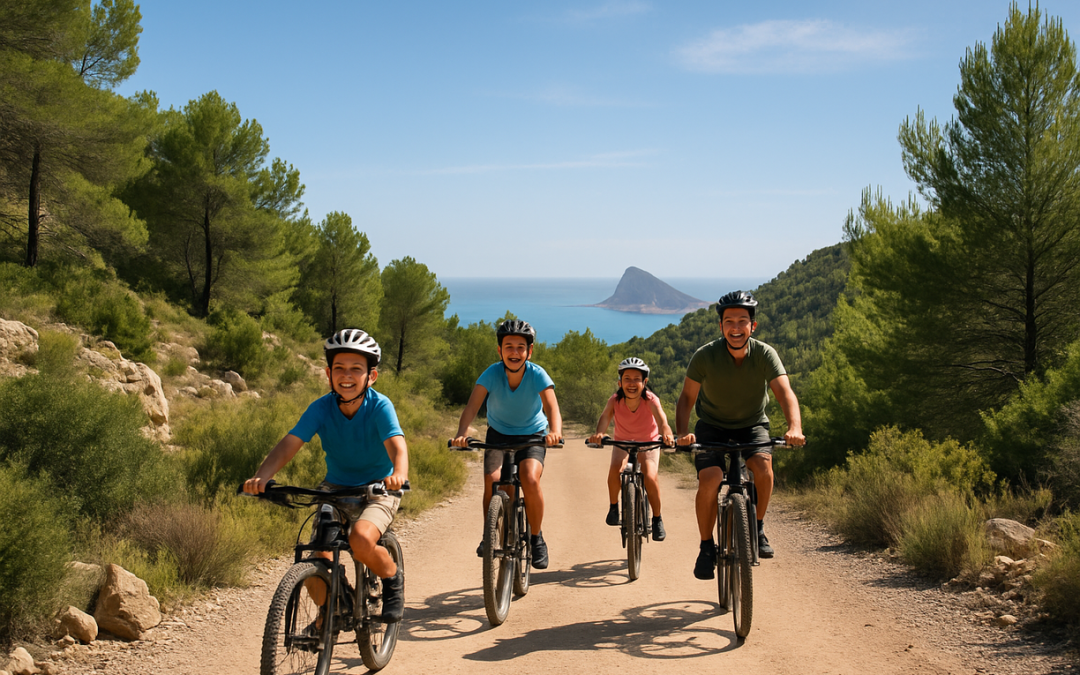
Nestled in the shadow of the iconic Puig Campana mountain, the Finestrat Forest Trail offers an idyllic setting for a family mountain biking adventure. For a more challenging ride around this majestic peak, consider exploring the Puig Campana Mountain Trail. This trail is a prime example of Costa Blanca’s natural beauty and its commitment to accessible outdoor recreation. The route winds through fragrant pine forests, providing ample shade and a refreshing atmosphere, especially welcome during warmer days. The terrain is generally forgiving, characterized by wide, well-maintained dirt paths with gentle gradients, making it perfectly suited for beginners and families with younger children who are still building their confidence on two wheels.
What truly sets the Finestrat Forest Trail apart are its breathtaking panoramic views. As you pedal along, you’ll be treated to stunning vistas of the majestic Puig Campana, its rugged peaks dominating the skyline. This impressive mountain serves as a constant, awe-inspiring backdrop to your ride. In addition to the mountain views, glimpses of the distant Mediterranean Sea can be caught through breaks in the trees, adding another layer of scenic beauty to the experience. The combination of lush greenery, dramatic mountainscapes, and sparkling sea views creates a truly immersive and picturesque environment.
Beyond the cycling itself, the Finestrat Forest Trail area is dotted with charming picnic spots, perfect for a mid-ride break to refuel and soak in the surroundings. These designated areas often feature tables and benches, making it easy for families to enjoy a packed lunch or snacks amidst nature. The manageable length and relatively easy technical demands of the trail mean that families can enjoy a leisurely pace, allowing plenty of time for exploration, photography, and simply enjoying each other’s company in a beautiful natural setting. It’s an adventure that promises both gentle exercise and unforgettable memories for the whole family.
Via Verde de Denia (Denia)
For families seeking an even gentler cycling experience, the Via Verde de Denia is an absolute must-visit. This delightful trail is a shining example of how disused railway lines can be transformed into fantastic recreational pathways, offering a smooth, flat, and incredibly scenic route for cyclists of all ages, including the very youngest. The term “Via Verde” literally translates to “Greenway,” and it perfectly encapsulates the essence of this trail: a verdant corridor designed for non-motorized travel, promoting sustainable tourism and outdoor enjoyment.
The Via Verde de Denia follows the path of an old railway line that once connected Denia to Gandia. This historical repurposing means the trail is remarkably flat, with no significant climbs or descents, making it ideal for families with toddlers on balance bikes, children still mastering their pedaling, or even those using bike trailers and tag-alongs. The surface is typically well-compacted gravel or asphalt, ensuring a comfortable and stable ride for everyone. This ease of navigation allows parents to relax and enjoy the scenery without constantly worrying about challenging terrain.
As you cycle along the Via Verde, you’ll be treated to a diverse tapestry of landscapes. The trail often runs close to the coast, offering refreshing sea breezes and occasional glimpses of the sparkling Mediterranean. Inland sections wind through picturesque orange groves, their sweet scent filling the air during blossom season, and past traditional agricultural fields. The route also provides easy access to charming towns and villages along the way, offering opportunities to stop for refreshments, explore local markets, or simply soak in the authentic Spanish atmosphere. The Via Verde de Denia is more than just a bike path; it’s a journey through the heart of the region’s natural beauty and cultural heritage, perfectly tailored for a relaxed and enjoyable family outing.
Guadalest Valley Loop (Guadalest)
For families with a bit more cycling experience or older children who crave a slightly greater challenge, the Guadalest Valley Loop presents a wonderfully rewarding mountain biking excursion. For another scenic ride in the area, consider the Benidorm to Guadalest Scenic Ride. This trail ventures into the stunning interior of Costa Blanca, offering a captivating blend of natural beauty, historical intrigue, and picturesque village charm. While it involves more varied terrain and some climbs compared to the flatter Via Verde, the effort is amply rewarded with truly spectacular views and a profound sense of accomplishment.
The loop typically navigates through the dramatic landscapes of the Guadalest Valley, an area famous for its iconic medieval castle perched precariously on a rock formation. As you cycle, you’ll encounter a mix of paved country roads, well-maintained gravel tracks, and some undulating forest paths. The climbs are generally moderate, designed to be manageable for those with a reasonable level of fitness, and often lead to breathtaking viewpoints overlooking the valley, the turquoise reservoir, and the surrounding mountain ranges. This trail is an excellent opportunity for families to push their limits slightly and experience the more rugged side of Costa Blanca’s cycling offerings.
Highlights of the Guadalest Valley Loop are numerous. The medieval castle of Guadalest itself is a major draw, offering a fascinating historical detour and incredible photo opportunities. The shimmering blue waters of the Guadalest reservoir provide a serene backdrop for much of the ride, and there are often opportunities to stop at designated viewing points. Furthermore, the route often passes through charming, traditional Spanish villages where you can pause for a refreshing drink, a local snack, or simply to admire the architecture and soak in the tranquil atmosphere. This trail is perfect for families seeking a more immersive adventure, combining physical activity with cultural exploration and unforgettable scenery.
Tips for a Successful Family Mountain Biking Trip
Embarking on a family mountain biking adventure in Costa Blanca is an exciting prospect, but a little preparation goes a long way in ensuring a smooth, safe, and enjoyable experience for everyone. Here are some essential tips to help you make the most of your trip:
Bike and Gear Essentials
First and foremost, ensure everyone has a properly sized and well-maintained bicycle. For children, this is particularly crucial; a bike that is too big or too small can be difficult to control and quickly lead to frustration or even accidents. If you’re renting bikes, make sure to specify the ages and heights of your children to get appropriate models. Helmets are non-negotiable for all riders, regardless of age or experience level. Ensure they fit snugly and are worn correctly. Beyond the bikes themselves, consider comfortable cycling attire, appropriate footwear, and sunglasses to protect eyes from sun and dust. A small backpack for each rider (or a larger one for an adult) is useful for carrying essentials.
Safety First
Safety should always be your top priority. Before setting out, have a brief discussion about trail etiquette: riding predictably, calling out when passing, and being mindful of other trail users (hikers, other cyclists). Establish clear rules for staying together, especially with younger children. Designate a lead rider and a sweep rider, ensuring no one gets left behind. Teach children basic hand signals for stopping or turning. It’s also wise to carry a basic first-aid kit for minor scrapes and bruises, and know how to use it. Familiarize yourself with the emergency numbers in Spain (112 for all emergencies).
Planning Your Ride
Careful planning can prevent many potential issues. Always check the weather forecast before heading out; sudden changes can make trails difficult or dangerous. Research your chosen trail beforehand to understand its length, elevation changes, and any specific challenges. Many local tourism offices or bike rental shops can provide up-to-date information on trail conditions. Pack plenty of water – more than you think you’ll need – and energy-rich snacks to keep everyone hydrated and fueled. Sunscreen is also a must, even on cloudy days. Consider downloading offline maps or using a GPS device, as mobile signal can be patchy in some remote areas.
Making It Fun
Remember, the goal is to have fun! Don’t push too hard or try to cover too much distance, especially with younger children. Frequent breaks are essential, offering opportunities to rest, rehydrate, and enjoy the scenery. Turn the ride into an adventure by incorporating games, like spotting specific plants or animals, or having a scavenger hunt for natural items. Celebrate small victories, like conquering a small climb or navigating a tricky section. A positive and encouraging attitude from parents can make all the difference in fostering a love for cycling in children. And don’t forget the ultimate reward: a delicious meal or a refreshing treat at the end of a successful ride!
Conclusion
Costa Blanca truly stands out as an exceptional destination for family mountain biking. Its unique blend of stunning natural landscapes, consistently favorable weather, and a network of well-maintained, family-friendly trails creates an unparalleled environment for outdoor adventure. Whether you’re seeking the gentle, scenic paths of the Finestrat Forest Trail, the effortlessly flat and charming Via Verde de Denia, or the more challenging yet incredibly rewarding vistas of the Guadalest Valley Loop, there’s a perfect route waiting for every family.
Beyond the thrill of the ride, these biking excursions offer invaluable opportunities for families to connect with nature, engage in healthy physical activity together, and create a treasure trove of shared memories. The laughter, the shared effort, the breathtaking views, and the sense of accomplishment at the end of each trail all contribute to an enriching experience that goes far beyond just cycling. So, pack your helmets, pump up those tires, and get ready to discover the magic of mountain biking in Costa Blanca. It’s an adventure that promises not just beautiful scenery, but also stronger family bonds and a renewed appreciation for the great outdoors.
We encourage you to explore these fantastic trails and share your own family biking experiences with us! What are your favorite family-friendly routes in Costa Blanca? What tips would you add for fellow biking families? Plan your trip today and embark on an unforgettable journey through the heart of Spain’s cycling paradise.
by Ralf Tenbrink | 13, Sep 2025 | Costa Blanca News, Latest News, Road Cycling Routes in Costa Blanca
Long-Distance Ride: Alicante to Calpe
Outline
Key Takeaways
- Overview of why Costa Blanca is Europe’s cycling hotspot
- Essential route information for Alicante to Calpe rides
Why Costa Blanca Beats Other European Cycling Destinations
- Climate advantages and year-round riding conditions
- Professional cyclist training grounds
- Infrastructure built for cyclists
The Classic Alicante to Calpe Coastal Route
- Detailed route breakdown with distances
- Key towns and stops along the way
- Elevation profiles and difficulty ratings
Mountain Passes You’ll Conquer Between Alicante and Calpe
- Coll de Rates climb details
- Puerto de Tudons challenge
- Port de Confrides ascent
The 137km Puerto de Tudons Epic Loop
- Starting from Calpe through Finestrat
- Sella and Castell de Castells sections
- Return descent via Benigembla
Alternative Routes: The Vall de Laguar Adventure
- 104km route specifics
- Cherry blossom season timing
- Technical sections between km 20-40
Essential Stops and Refueling Points
- Water fountain locations
- Cyclist-friendly cafes
- Bike repair shops along routes
Training Tips from Local Pros
- Best months for riding
- Pacing strategies for long climbs
- Recovery techniques
Frequently Asked Questions
Key Takeaways
| Feature | Details |
|---|
| Distance | 60-137km depending on route choice |
| Elevation Gain | 1,500-2,500m typical |
| Best Months | October-May (avoiding summer heat) |
| Difficulty | Intermediate to Advanced |
| Must-Do Climbs | Coll de Rates, Puerto de Tudons |
| Pro Training Season | January-April |
Why Costa Blanca Beats Other European Cycling Destinations
Ever wonder why pro cyclists flock to this corner of Spain every winter? Its not just the paella (though that helps). Costa Blanca gets about 300 days of sunshine each year – thats basically perfect riding weather when northern Europe is frozen solid.
The roads here? They’re butter smooth. Local governments actually invest in cycling infrastructure because they know riders bring serious money to the region. You’ll find dedicated bike lanes on major roads and drivers who actually respect cyclists – imagine that! Professional teams like Jumbo-Visma and UAE Team Emirates set up their winter camps here, so dont be surprised if you’re grinding up a climb and Tadej Pogačar flies past you.
What really sets this place apart from Mallorca or the Alps is the variety. You can hammer flat coastal roads in the morning, then tackle 1,000-meter climbs after lunch. The temperature rarely drops below 10°C in winter or exceeds 30°C in summer mornings. Plus, unlike touristy Mallorca, accomodation here won’t break the bank – you can find decent cyclist-friendly hotels for 50-70 euros a night.
The Classic Alicante to Calpe Coastal Route
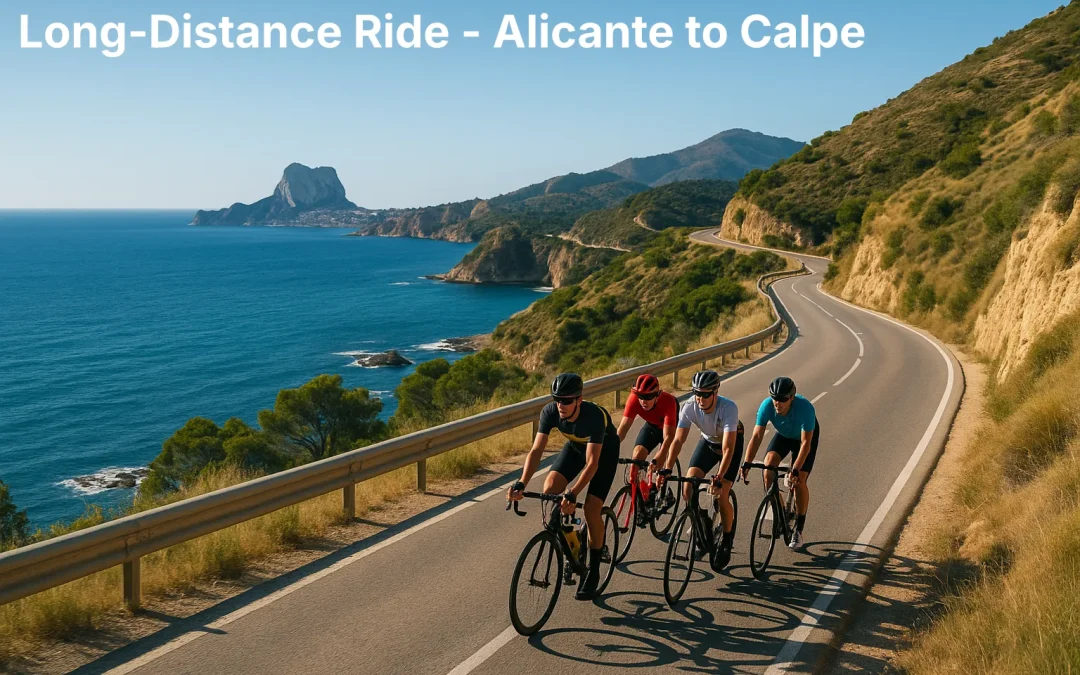
Starting from Alicante’s marina, the most direct coastal route to Calpe stretches about 62 kilometers. But who wants direct when you can have spectacular? The smart move is taking the N-332 coastal road through El Campello and Villajoyosa to Relleu route for some inland variety.
First 20km out of Alicante are pancake flat – perfect for warming up those legs. You’ll roll through San Juan beach (grab a cortado at Café Racer if you need caffeine) then hit El Campello where the road starts getting interesting. The stretch between Villajoyosa and Benidorm throws in some punchy little climbs – nothing huge, maybe 3-4% gradients, but enough to wake up your legs.
Benidorm marks the halfway point. Yeah, its touristy as hell, but the cycling infrastructure here is top-notch. Wide bike lanes, plenty of water fountains, and if you need any bike repair services in Costa Blanca, there’s at least five shops within a kilometer of the main strip. From Benidorm to Altea, you’ve got two choices: stick to the coast (easier, more traffic) or take the CV-755 inland road (harder, way prettier).
The final push from Altea to Calpe is where things get spicy. That innocent-looking bump on your GPS? That’s the Puerto de Calpe – only 2km but it kicks up to 8% in places. Your reward? Rolling into Calpe with the massive Peñón de Ifach rock formation welcoming you like a giant limestone high-five.
Mountain Passes You’ll Conquer Between Alicante and Calpe
Lets talk about the climbs that make grown cyclists cry (in a good way). Coll de Rates is the superstar here – 6.3km of perfectly graded switchbacks averaging 5.8%. The locals call it “El Rates” and if you can do it in under 20 minutes, you’re flying. The road surface is pristine, and those hairpin turns? Chef’s kiss. Best part – there’s a restaurant at the top where they make killer bocadillos.
Puerto de Tudons is the beast everyone respects. Starting from sea level near Benidorm’s bike rental shops, you’ll climb for 20 straight kilometers. The gradient never gets stupid steep – hovering around 5% – but the sheer length will test your mental game. Pro tip: theres a water fountain at km 12 near the Confrides turn-off. Use it.
Port de Confrides might be the “easiest” of the big three at 7.5km and 5% average, but don’t let that fool you. The middle section has some sneaky 9% ramps that’ll have you searching for gears you dont have. What makes this climb special is the views – on clear days you can see all the way to Ibiza. The descent back toward Benidorm? Absolute rocket ship territory – I’ve hit 75km/h without even trying (please be careful though).
Then there’s the lesser-known Port de Sa Creueta from Tárbena. Only locals and cycling nerds know about this one. It’s quieter than a library, the road’s narrow but perfect, and you might see more goats than cars. At 7.5km with a mellow 3.4% average, its perfect for recovery days when you still want to bag a climb.
The 137km Puerto de Tudons Epic Loop
This route is what separates tourists from serious cyclists. Starting in Calpe’s cycling hub, you head south through Altea and Benidorm before the real fun begins. The first 30km are basically a warm-up – coastal roads, maybe a headwind if you’re unlucky, nothing too taxing.
Once you pass Benidorm and hit Finestrat, the landscape changes completely. Suddenly you’re surrounded by orange groves and almond trees, and that big mountain ahead? Yeah, you’re going up that. The climb through Finestrat to Sella is where you earn your pasta later. Its not just the gradient (averaging 6% for 8km) – its the way the road snakes through these ancient terraced hillsides that haven’t changed in centuries.
Sella to Castell de Castells is the route’s hidden gem. This 25km section rolls through proper Spanish countryside – the kind where old guys still ride donkeys and time forgot to show up. The road surface can be sketchy in places (watch for gravel in corners), but the lack of traffic makes up for it. There’s a bar in Castell de Castells that does the best tortilla española you’ll ever taste – seriously, its worth the climb just for that.
The return leg via Benigembla and Parcent is fast. Like, scary fast if you’re not careful. From Castell de Castells, you drop 600 meters in about 15km. The corners are well-marked but respect them – I’ve seen too many riders overcook that left-hander after the Benigembla church. Once you hit the valley floor near Jalón, its a gradual false flat back to Calpe. Total time? Budget 5-6 hours if you’re reasonably fit, longer if you stop for photos (and you will).
Alternative Routes: The Vall de Laguar Adventure
Want something different? The Vall de Laguar loop from Calpe is 104km of pure eye candy. This isnt about setting Strava records – its about riding through landscapes that look like someone cranked the saturation slider to maximum.
The route kicks off mellow enough, following the Jalón Valley scenic loop before things get serious. Between kilometer 20 and 40, you’re basically climbing non-stop from 200m to nearly 1,000m elevation. The road through Vall de Laguar itself is engineering porn – switchback after switchback carved into vertical canyon walls. In February and March, the whole valley explodes with cherry blossoms. Its so stupidly beautiful that you’ll forget your legs are screaming.
The technical crux comes around km 35 near Fleix. The road narrows to barely a car width, the gradient hits 12% for a few hundred meters, and there’s usually a headwind just to keep things interesting. But then you pop out on top of the ridge and BAM – Mediterranean views that make Instagram influencers weep with envy.
After conquering the valley, you still got Coll de Rates to deal with on the way back. By this point your legs are cooked, but approaching Rates from the Parcent side is actually easier than the classic Calpe approach. The descent back to Calpe via Jalón is fast and flowing – perfect for spinning out those tired legs. Pack extra food for this one – there’s limited resupply options in the valley villages.
Essential Stops and Refueling Points
Knowing where to refuel can make or break your ride. In Altea, Café Cycling (yes, thats really its name) on the main strip has become the unofficial cyclist HQ. They do proper coffee, have bike racks, and the owner – an ex-pro from Belgium – gives solid route advice.
The Petrol station at La Nucía (junction of CV-70 and CV-758) is clutch for long rides. They’ve got cold drinks, energy bars, and crucially, clean toilets. The attendant there has seen enough cyclists that he keeps extra water bottles in the fridge during summer. Between Sella and Relleu, there’s a natural spring fountain that locals have used for centuries – the water’s cold and tastes better than anything from a bottle.
For proper food, time your ride to hit Polop around lunchtime. Bar La Plaza does a menu del día for 12 euros that’ll properly refuel you – we’re talking proper Spanish portions here. If you’re doing the mountain routes, the restaurant at Coll de Rates summit is open most days and their tortilla sandwich has achieved legendary status among local cyclists. They also let you fill bottles for free, even if you dont buy anything.
Emergency bike repair spots along these routes include Bikes Benidorm (open 7 days), Ciclos Guerola in Altea (closed Sundays), and Natural Bikes in Calpe. Most carry basic spares and can handle common repairs while you wait.
Training Tips from Local Pros
I’ve learned tons from riding with local racers and watching how the pros train here in January. First thing – forget about going hard every day. The Spanish riders here have a saying: “piano, piano” (slowly, slowly). They’ll ride at conversation pace for hours, only going hard on specific climbs.
Pacing these long mountain routes is an art. The local trick? Never go above 80% effort on any climb that’s longer than 10 minutes. Save the heroics for the short, punchy stuff. On something like Puerto de Tudons, find a rhythm you could hold for an hour and stick to it. The amount of riders I’ve seen blow up at kilometer 15 because they went too hard at the bottom…
Hydration here is different than northern Europe. Even in winter, you’ll sweat buckets on these climbs. The rule of thumb? One 750ml bottle per hour minimum, two in summer. Add electrolytes – the Spanish sun will suck the salt right out of you. Those little salt tablets from the farmacia work great and cost pennies.
Recovery is huge when you’re doing back-to-back long rides. The Spanish have this figured out: big lunch, proper siesta, easy spin in the evening. Try doing a coastal recovery ride from Calpe to Denia the day after a big mountain loop. Flat roads, sea breeze, coffee stops – perfect active recovery. And don’t underestimate the recovery power of paella and a cold beer. The rice gives you carbs, the seafood has protein, and the beer… well, you earned it didn’t you?
Frequently Asked Questions
What’s the best time of year to cycle from Alicante to Calpe? October through May offers the best conditions. Summer (July-August) gets properly hot with temperatures hitting 35°C+ by midday. Spring (March-May) is perfect – warm but not hot, and everything’s green from winter rains.
Do I need a road bike or will a hybrid work? You really want a road bike for these routes. The climbs are long and a heavy hybrid will make them miserable. Most bike rental shops offer carbon road bikes from around 40-50 euros per day.
How fit do I need to be for these routes? For the direct coastal route, moderate fitness is fine. For the mountain loops, you should be comfortable riding 100km with 2,000m of climbing. If you can ride for 4-5 hours at home, you’ll manage here.
Is it safe to cycle alone in Costa Blanca? Generally very safe. Drivers are used to cyclists, crime is low, and there’s good mobile coverage almost everywhere. Still, tell someone your route and carry basic repair kit. Check out these safety tips for solo touring.
Where should I base myself for cycling in this area? Calpe is the traditional choice – central location, tons of bike shops, cyclist-friendly hotels. Altea works great too and is slightly less touristy. Benidorm has the most amenities but can be crowded.
Can I join group rides with locals? Absolutely! Most bike shops organize group rides. In Calpe, check out the Saturday morning ride from Ciclos Boluda – mixed abilities, super welcoming. Just rock up around 8:30am.
by Ralf Tenbrink | 2, Sep 2025 | Costa Blanca News, Latest News
Top Bike Rental Shops in Benidorm: Your Complete Guide
Key Takeaways
- Benidorm has seven established bike rental operators covering road, mountain, hybrid and e-bike needs, from budget city bikes to top-spec carbon.
- Prices range roughly from €10 for a few hours on a Baja Bikes hybrid up to premium carbon road bikes at €30–45 a day from Alfas Bike Hire or Blanca Bikes.
- Alfas Bike Hire offers free delivery across a wide area; Blanca Bikes, CCT Bike Rental and others charge for delivery or require pickup from a fixed location.
- Book several days ahead in spring (March–May) and autumn (September–November), the busiest cycling seasons, especially for premium carbon bikes.
- Always check both brakes, run through the gears, and check tyre condition before accepting a rental bike.
Outline
- Why Benidorm is a Cycling Paradise
- Benidorm Cycle Hire: Personal Service from a Long-Standing Local Operator
- Blanca Bikes: Cervélo Carbon Bikes Across Seven Costa Blanca Towns
- Alfas Bike Hire: New RIBBLE Carbon Bikes with Free Delivery
- Marco Polo Expeditions: Diverse Bike Options for All Riders
- Baja Bikes: Budget-Friendly Cruising for Casual Riders
- ListNRide: Peer-to-Peer Mountain Bike Specialists
- CCT Bike Rental: Mountain and Road Variety, Delivered to You
- Comparing Benidorm’s Top Bike Rental Shops
- Tips for Renting Bikes in Benidorm
Why Benidorm is a Cycling Paradise
Benidorm sits where the Costa Blanca’s mountains meet the Mediterranean, which is the practical reason it works so well as a cycling base: a flat, easy spin along the seafront and a genuine mountain stage are both available without a long drive to the start.
The climate helps too. The Costa Blanca gets over 300 days of sunshine a year, and Alicante province specifically sees more than 320, according to visitcostablanca.es’s own climate guide, with average winter daytime temperatures of 12–18°C. That mild winter window is a big part of why the region draws visiting cyclists outside the peak summer months, not just during them.
The roads themselves are a mix of flat coastal routes and proper climbs a short ride inland. Coll de Rates, one of the region’s best-known ascents, is roughly 6.4km at an average 5.4% gradient from the Parcent side with 347m of climbing, per The Ride Atlas, reachable from Benidorm without needing to drive to the base first.
If you’re not bringing your own bike, Benidorm has a genuinely wide choice of rental shops. Here’s what each one actually offers.
Benidorm Cycle Hire: Personal Service from a Long-Standing Local Operator
Benidorm Cycle Hire is run by Ian, a name that comes up repeatedly and consistently across independent public reviews rather than just the business’s own marketing. On TripAdvisor, the business holds a 4.8 out of 5 rating across 15 reviews, ranked among the area’s better-regarded outdoor activity providers, with reviewers specifically praising Ian’s habit of delivering bikes personally to guests’ accommodation and offering route advice suited to their fitness level.
The fleet mixes carbon and aluminium road bikes from several brands, with reviewers mentioning Ridley, Bianchi and Cannondale machines; one reviewer noted receiving a different model than expected on one occasion, so it’s worth confirming the exact bike and spec at booking rather than assuming a specific model. No official price list is published, and reviews don’t agree closely enough on a figure to quote one reliably here. Confirm current rates directly when booking.
The delivery-and-collection model, rather than a fixed shop counter, is the main thing that distinguishes this operator from the others on this list: you deal with one person for the whole rental, not shop staff.
Blanca Bikes: Cervélo Carbon Bikes Across Seven Costa Blanca Towns
Blanca Bikes rents exclusively Cervélo carbon road bikes, spanning the Caledonia and Soloist ranges (12-speed electronic and Pro-upgrade versions), the Rouvida e-bike, and the range-topping S5 with SRAM Red groupset for riders who want a genuinely race-spec machine.
Pricing runs from around €32 a day based on a 3-day hire for the entry Caledonia/Soloist models, up to significantly more for the Pro-upgrade and S5 tiers, per the company’s own published rates. Bikes can be collected and returned at seven Costa Blanca locations: Denia, Calpe North, Calpe South, Altea, Benidorm, Parcent, and Jávea, which makes Blanca Bikes a sensible option if your trip covers more than one town. Delivery isn’t offered as standard for individual rentals; the company notes it can arrange collection within 50km of Calpe for group orders over €1,500, so this is really a pickup-based service for most renters rather than a delivery one.
Alfas Bike Hire: New RIBBLE Carbon Bikes with Free Delivery
Alfas Bike Hire runs a 2025 fleet of RIBBLE Full Carbon Road Pro Di2 bikes, plus Basso models for riders wanting a slightly different geometry. Keeping the fleet genuinely current, rather than running older bikes into the ground, is the shop’s clearest point of difference from some competitors.
The business is run by Michael, whose local knowledge and route recommendations are consistently mentioned in customer reviews, alongside the company’s own “Your hobby is our business” positioning. Delivery and collection are free across a wide list of towns, including Albir, Alfàs del Pi, Altea, Benidorm, Calpe, Finestrat, La Nucia, Moraira, Polop and Villajoyosa, which is a genuinely broad radius for a no-charge service. No fixed price list is published on the site; one independent review describes the shop as the cheapest of several compared locally, though that’s a single reviewer’s comparison rather than a verified current rate.
Marco Polo Expeditions: Diverse Bike Options for All Riders
Marco Polo Expeditions covers a wider range of rider types than most operators on this list: city bikes for the promenade, mountain bikes, road bikes, e-bikes and e-MTBs, all from one operator working across Benidorm, Altea and the wider Costa Blanca.
Rentals are available by the hour, the day, or across multiple days, which suits groups with mixed plans better than a shop offering only daily minimums. Booking runs through WhatsApp and the business’s social channels rather than an online reservation system, and no fixed pricing is published, so confirming cost and availability means contacting them directly rather than checking a rate card in advance.
Baja Bikes: Budget-Friendly Cruising for Casual Riders
Not every cyclist visiting Benidorm wants a premium carbon frame, and that’s the gap Baja Bikes fills. Their published rates: €10 for 4 hours, €14 for 8 hours, €18 for 24 hours, €28 for 2 days, €38 for 3 days, €48 for 4 days, €56 for 5 days, €60 for 6 days, and €65 for a full week: a straightforward, low-cost scale for a relaxed ride rather than a training session.
The fleet is standard city and hybrid bikes, with optional upgrades to mountain bikes or e-bikes at extra cost, plus children’s bikes for ages 6–9 and child seats for passengers up to 22kg. Pickup is at Avenida de Europa 11 in central Benidorm. A deposit applies: €20–50 for standard bikes depending on rental length, €50–100+ for e-bikes, with damage/theft liability capped at €250 for standard bikes and €850 for e-bikes. Helmet and lock are included with the bike.
ListNRide: Peer-to-Peer Mountain Bike Specialists
ListNRide works differently from a traditional shop: it’s a peer-to-peer marketplace connecting individual bike owners across the Costa Blanca with renters, rather than one company’s own fleet. That means the specific bikes available, and their condition, vary by individual listing rather than a single standardised fleet. It’s worth checking photos and any reviews on the specific bike you’re considering, not just the platform generally.
Every rental includes theft and damage insurance through LAKA at no extra cost within the EEA, which covers Spain, and cancellations more than 72 hours before the rental get a full refund. Pickup or delivery depends on the individual bike owner’s arrangement rather than a fixed company policy, so it’s worth confirming logistics directly with the owner before booking. Pricing similarly varies per listing rather than following a fixed rate card.
CCT Bike Rental: Mountain and Road Variety, Delivered to You
CCT Bike Rental doesn’t have a shopfront in Benidorm; it runs a delivery-only operation covering the wider region, which lets it carry a bigger range than a single small local shop typically stocks.
The current fleet is built mostly around Ridley: on the road and gravel side, the Falcon RS Disc Di2, Fenix SL Disc, Fenix SLiC Disc Di2, Helium SLX Disc, Noah Fast Disc, Kanzo Disc and Griffin Disc; on the mountain bike side, the Ignite SLX hardtail and the Raft X-Trail full-suspension, plus a Propain Enduro Fully e-MTB; and on the e-bike side, the Kanzo Electric and City E-Bike. A Canyon Roadlite AL 6.0 covers the trekking/hybrid category.
Rentals require at least 3 days’ advance booking and a 4-day minimum hire. Delivery costs €45 to the Benidorm area, rising to €80 for Alicante, El Campello or Villajoyosa. Rentals include a saddle bag, spare tube, 2 tyre levers, a pump and 2 bottle cages; a helmet costs an extra €3 a day. If you want to mix road riding with a day or two off-road, this is one of the few operators here whose range genuinely covers both from a single delivery.
Comparing Benidorm’s Top Bike Rental Shops
With seven operators to choose from, the right one depends mostly on what you’re riding and how you want to receive the bike.
| Shop Name | Speciality | Price Range | Delivery | Bike Types | Best For |
|---|
| Benidorm Cycle Hire | Personal-service road hire | Not published, confirm direct | Yes, personally by the owner | Road (mixed brands) | Riders who want one point of contact throughout |
| Blanca Bikes | Cervélo carbon road bikes | From ~€32/day (3-day hire) | Group orders over €1,500 only | Road, e-bike | Multi-town trips, serious road cyclists |
| Alfas Bike Hire | New RIBBLE carbon | Not published | Free, wide area | Road (carbon) | Riders wanting the newest bikes |
| Marco Polo Expeditions | Variety | Not published, contact via WhatsApp | Not specified | City, MTB, road, e-bike, e-MTB | Mixed groups, flexible hourly/daily rental |
| Baja Bikes | Budget city & hybrid | €10–65 (4hrs–week) | No (pickup only) | City, hybrid, optional MTB/e-bike upgrade | Budget-conscious, casual riders, families |
| ListNRide | Peer-to-peer marketplace | Varies by individual listing | Varies by owner | MTB, road, varies | Riders wanting a specific bike/brand match |
| CCT Bike Rental | Ridley road, gravel & MTB, delivered | Mid-range + €45–80 delivery | Yes (fee, 4-day minimum) | Ridley road/gravel/MTB, Canyon hybrid | Riders wanting to mix road and trail |
If you’re a serious road cyclist chasing the area’s climbs, Blanca Bikes or Alfas Bike Hire put you on a genuine carbon race bike. If budget matters more than spec, Baja Bikes keeps costs predictable and low. For mixed groups or families, Marco Polo’s range across five bike categories covers the most ground from one operator. If you want the flexibility to switch between road and trail on the same trip, CCT’s delivery-only model with its wide fleet is worth the delivery fee.
Booking ahead matters most in spring (March–May) and autumn (September–November), when cycling clubs and sportive riders visit in numbers and the better bikes get reserved early. Most of these operators take bookings online or via WhatsApp well in advance of arrival.
Tips for Renting Bikes in Benidorm
Book well ahead if you’re visiting during spring or autumn, when demand for road bikes specifically is highest. Premium carbon bikes from Blanca Bikes or Alfas Bike Hire are the models most likely to be reserved out first.
If you’re a serious cyclist, bring your own pedals and shoes. Most shops can fit your pedals to their bikes, which gives you your usual contact points on a rental frame rather than adjusting to whatever’s fitted.
Before accepting any rental bike, run through a quick check: spin both wheels for rubbing or wobble, test the brakes, shift through every gear, check tyre pressure and condition, and confirm the saddle and handlebars are secure. This takes two minutes and catches the problems that would otherwise show up mid-ride.
Ask about insurance or damage-waiver options where they’re offered (Baja Bikes and CCT Bike Rental both specify deposit and liability terms upfront, for example). It adds a small amount to the cost but limits your exposure if something goes wrong on a descent.
Ask your rental shop for route recommendations when you collect the bike. Staff and owners who work the area daily generally know which roads to avoid for traffic or roadworks, and can point you toward routes suited to your fitness level.
If you’re staying several days, ask what happens if you have a mechanical issue mid-rental: a call-out, a swap, or a walk-in repair. Policies vary by operator, and it’s worth knowing before you need it rather than after.
Finally, check the return logistics against your flight time. If you have an early departure, ask whether evening drop-off or early morning collection is possible, so it isn’t a last-minute scramble.
Frequently Asked Questions
How much does it cost to rent a bike in Benidorm? Prices vary widely by bike type and operator. Baja Bikes’ city and hybrid bikes run from €10 (4 hours) to €65 (a week). Premium carbon road bikes from Blanca Bikes start around €32 a day on a 3-day hire, with Alfas Bike Hire, Benidorm Cycle Hire, Marco Polo and ListNRide not publishing fixed rates. Confirm current pricing directly with each operator.
Do I need to bring my own helmet? Baja Bikes includes a helmet with its rentals; CCT Bike Rental charges €3 a day extra for one. Spanish law requires helmet use outside urban areas, so if you’re particular about fit, bringing your own is worth considering regardless of what a specific shop includes.
Can I get a bike delivered to my hotel? It depends on the operator. Alfas Bike Hire offers free delivery across a wide area. CCT Bike Rental delivers for a fee (€45–80 depending on location) with a 4-day minimum rental. Benidorm Cycle Hire’s owner delivers personally. Blanca Bikes only arranges delivery for group orders over €1,500 near Calpe; for individual rentals, it’s pickup from one of its seven town locations. Baja Bikes and Marco Polo are pickup-based.
What type of bike is best for cycling in Benidorm? This depends on your planned routes. For climbs like Coll de Rates, a road bike from Blanca Bikes, Alfas Bike Hire or Benidorm Cycle Hire is the better fit. For the flat coastal promenade, a hybrid or city bike from Baja Bikes is comfortable and sufficient. For off-road trails, ListNRide or CCT Bike Rental’s mountain bike options cover that properly.
When is the best time to cycle in Benidorm? Spring (March–May) and autumn (September–November) offer the most reliable conditions and the least tourist traffic. Summer (June–August) can be very hot, so an early start is worth planning around. Winter (December–February) is mild, with average daytime temperatures of 12–18°C, and often sunny, per the region’s own climate data.
Do I need to be an experienced cyclist to enjoy biking in Benidorm? No. The flat coastal paths and promenade suit beginners, while the inland climbs give experienced riders a genuine challenge. Most operators can suggest routes matched to your fitness and experience level when you collect the bike.