by Ralf Tenbrink | 14, Aug 2026 | 2026 Vuelta a España, Costa Blanca News, La Vuelta Femenina
Meet the 2026 La Vuelta Femenina Podium: Blasi, van der Breggen, and Bunel
Leer este artículo en español
Three very different stories shared the podium at the end of La Vuelta Femenina 2026: a 23-year-old former runner who only started cycling two years earlier, a decorated world champion who came out of retirement to race again, and a 21-year-old climbing prodigy who’s barely two seasons into her professional career. Between first and third place, just 49 seconds separated them, one of the tightest finishes in the race’s history.
If you want the full picture of what La Vuelta Femenina is and how it’s changed since 2015, start with our introduction to the race. This piece is about the three riders who defined its 2026 edition.
Key Takeaways
| Rider | Result | Standout Fact |
|---|
| Paula Blasi Cairol | 1st, +0” | First Spanish rider ever to win La Vuelta Femenina, also won the mountains classification |
| Anna van der Breggen | 2nd, +24” | Two-time World Champion, returned to racing in 2025 after retiring in 2021 |
| Marion Bunel | 3rd, +49” | 21 years old, also won the white jersey as best young rider |
Paula Blasi Cairol: From Injured Runner to National Hero
Paula Blasi was born on February 19, 2003, in Esplugues de Llobregat, near Barcelona, and cycling wasn’t her first sport. She competed as a runner until an injury forced her to change direction, and she didn’t switch to the bike until she was 21, remarkably late for a rider who’d go on to win a grand tour within two years.
Her rise since then has been fast. She joined the UAE Development Team for 2025 and earned promotion to the WorldTour-level UAE Team ADQ that same May, after wins at the Gran Premio della Liberazione and the Pointe du Raz Ladies Classic. Then came 2026, and a run of results that turned her into one of the most searched names in Spanish sport: she won the Amstel Gold Race, a cycling Monument, solo after a late attack, becoming the first Spanish woman ever to win one. Three weeks later, she won La Vuelta Femenina outright, taking both the overall and mountains classifications after finishing second on each of the final two mountain stages. That made her the first Spanish rider, male or female, to win the race.
She was open about how hard it was. “I hadn’t suffered this much in my whole life,” she said afterward. “This week has felt a bit long. It was my first grand tour, but I’ve been lucky to have a great team, and especially of having Mavi [García] by my side, as she is kind of an older sister for me.” García, her UAE Team ADQ teammate, finished the race in 22nd place, well down the GC, having spent much of the week supporting Blasi rather than chasing her own result.
Anna van der Breggen: The Comeback
Anna van der Breggen’s palmarès needs almost no introduction inside the sport: Olympic gold at the 2016 Rio Games, the 2018 World Championship road race title, and in 2020, becoming the first woman ever to win both the World Championship road race and time trial in the same year. She also won the Giro Rosa overall four times and La Flèche Wallonne seven years running.
She retired in 2021 after the Leuven World Championships and moved into a sports director role at SD Worx-Protime. The comeback, announced for the 2025 season, surprised much of the sport. She was candid about the risk: “If I am not better than when I retired, it will be difficult,” she said at the time, and elsewhere described the decision more simply: “if I want to return as a cyclist, it’s now or never.” Finishing second overall at La Vuelta Femenina 2026, just 24 seconds off the win, four years after she’d last raced competitively, was about as strong a comeback result as anyone could have reasonably expected.
Marion Bunel: The Next Generation Arrives Early
Marion Bunel was born on October 7, 2004, in Bernay, France, and turned 21 during the 2026 season. Her rise through the sport has been quick: after racing as an amateur with VC Islois-Team Stamina in 2023, she turned professional with St Michel-Mavic-Auber93, where a standout season included fifth place at the UAE Tour, an 11th-place finish on the Alpe d’Huez stage of the Tour de France Femmes, and an overall win at the Tour de l’Avenir, often treated as a strong indicator of future grand tour talent.
That result got her signed to Team Visma | Lease a Bike on a three-year deal at just 20 years old. Her third place at La Vuelta Femenina 2026, alongside the white jersey for best young rider, is an early sign that the promotion was justified. At 21, with a grand tour podium and three years still left on her current contract, she’s one of the sport’s clearer names to watch over the rest of the decade.
Related Cycling Resources
FAQ
Who won La Vuelta Femenina 2026? Paula Blasi Cairol, the first Spanish rider ever to win the race, finishing 24 seconds ahead of Anna van der Breggen.
How old is Paula Blasi? Born February 19, 2003, she was 23 during the 2026 race.
Did Paula Blasi always race bikes? No. She competed as a runner until an injury forced a change of sport, and didn’t start cycling until she was 21.
Is Anna van der Breggen a former World Champion? Yes, twice. She won the World Championship road race in 2018, and in 2020 became the first woman to win both the road race and time trial titles in the same year.
Why is Anna van der Breggen’s result notable? She retired from racing in 2021 and returned to professional competition in 2025. Finishing second overall in 2026, just 24 seconds off the win, is a strong result for a comeback at this level.
Who is Marion Bunel? A 21-year-old French rider for Team Visma | Lease a Bike, and the 2023 Tour de l’Avenir champion. She finished third overall at La Vuelta Femenina 2026 and won the white jersey for best young rider.
How close was the 2026 podium? Very close. Just 49 seconds separated first and third place overall.
What did Paula Blasi say about winning? “I hadn’t suffered this much in my whole life,” she said afterward, crediting her team and teammate Mavi García for their support during her first grand tour.
Research sources: La Vuelta Femenina 2026 official rankings, La Vuelta Femenina, Paula Blasi post-race interview, UAE Team ADQ, Paula Blasi rider profile, Cyclingnews, Anna van der Breggen comeback coverage, Team Visma | Lease a Bike, Marion Bunel rider profile.
by Ralf Tenbrink | 14, Aug 2026 | 2026 Vuelta a España, Costa Blanca News, La Vuelta Femenina
Paula Blasi gana la Vuelta Femenina 2026: así fue el podio más ajustado de la carrera
Read this article in English
Tres historias muy distintas compartieron podio al final de la Vuelta Femenina 2026: una corredora de 23 años que empezó como atleta de fondo y solo lleva dos años sobre una bicicleta, una campeona del mundo condecorada que volvió a competir después de retirarse, y una escaladora de 21 años que apenas lleva dos temporadas como profesional. Entre el primer y el tercer puesto hubo solo 49 segundos, uno de los finales más ajustados en la historia de la carrera.
Si quieres el contexto completo de qué es la Vuelta Femenina y cómo ha cambiado desde 2015, empieza por nuestra introducción a la carrera. Este artículo está dedicado a las tres corredoras que marcaron su edición de 2026.
Lo esencial
| Corredora | Resultado | Dato destacado |
|---|
| Paula Blasi Cairol | 1ª, +0” | Primera corredora española en ganar la Vuelta Femenina, también ganó la clasificación de la montaña |
| Anna van der Breggen | 2ª, +24” | Doble campeona del mundo, volvió a competir en 2025 tras retirarse en 2021 |
| Marion Bunel | 3ª, +49” | 21 años, también se llevó el maillot blanco de mejor joven |
Paula Blasi Cairol: de atleta lesionada a heroína nacional
Paula Blasi nació el 19 de febrero de 2003 en Esplugues de Llobregat, cerca de Barcelona, y el ciclismo no fue su primer deporte. Compitió como corredora de fondo hasta que una lesión la obligó a cambiar de disciplina, y no se subió a una bicicleta hasta los 21 años, un comienzo tardío para alguien que ganaría una gran vuelta apenas dos años después.
Su ascenso ha sido rápido. Se incorporó al UAE Development Team para 2025 y logró el ascenso al equipo World Tour, UAE Team ADQ, ese mismo mes de mayo, tras ganar el Gran Premio della Liberazione y la Pointe du Raz Ladies Classic. Y llegó 2026, con una racha de resultados que la convirtió en uno de los nombres más buscados del deporte español: ganó la Amstel Gold Race, una Clásica Monumento, en solitario tras un ataque en el tramo final, convirtiéndose en la primera española en ganar una Monumento. Tres semanas después, ganó la Vuelta Femenina, llevándose tanto la general como la clasificación de la montaña tras terminar segunda en cada una de las dos últimas etapas de montaña, siendo la primera corredora española, hombre o mujer, en ganar la carrera.
Fue muy sincera sobre lo dura que fue la etapa final: “Nunca había sufrido tanto en toda mi vida. Lieja-Bastoña-Lieja ya fue una lucha, pero esto ha sido un nivel completamente distinto. Hubo varios momentos en los que sentí ganas de desengancharme y poner los pies en el suelo, ¡estaba agotada! Puede que apretara a fondo demasiado lejos de la meta, intentando seguir el ataque de Marion Bunel, pero cuando escuché desde el coche del equipo que Anna van der Breggen estaba sufriendo, no pude evitar pensar en el maillot rojo. El último kilómetro se me hizo eterno. En la recta final, empujaba más con la cabeza que con las piernas.” Sobre su equipo, añadió: “Era mi primera gran vuelta, pero he tenido la suerte de contar con un gran equipo, y especialmente con Mavi [García] a mi lado, que es como una hermana mayor para mí y me ha cuidado todo el tiempo.” García, su compañera en el UAE Team ADQ, terminó la carrera en el puesto 22 de la general, muy lejos de los primeros puestos, tras pasar buena parte de la semana trabajando para Blasi en lugar de buscar su propio resultado.
Anna van der Breggen: el regreso
El palmarés de Anna van der Breggen apenas necesita presentación dentro del ciclismo: oro olímpico en Río 2016, el título mundial en ruta en 2018, y en 2020, la primera corredora en ganar el mundial en ruta y el de contrarreloj el mismo año. Además, ganó el Giro Rosa en cuatro ocasiones y la Flecha Valona siete años seguidos.
Se retiró en 2021 tras el Mundial de Lovaina y pasó a ser directora deportiva en el SD Worx-Protime. Su regreso, anunciado para la temporada 2025, sorprendió a buena parte del pelotón. Ella misma fue franca sobre el riesgo: “Si no soy mejor que cuando me retiré, será difícil”, dijo entonces, y en otra ocasión resumió la decisión de forma más simple: “si quiero volver como ciclista, es ahora o nunca.” Terminar segunda en la general de la Vuelta Femenina 2026, a solo 24 segundos de la victoria, cuatro años después de su última carrera, es un resultado tan bueno como cualquiera podría razonablemente esperar de un regreso.
Marion Bunel: la nueva generación llega antes de tiempo
Marion Bunel nació el 7 de octubre de 2004 en Bernay, Francia, y cumplió 21 años durante la temporada 2026. Su progresión ha sido rápida: tras competir como amateur con el VC Islois-Team Stamina en 2023, pasó al profesionalismo con el St Michel-Mavic-Auber93, donde tuvo una temporada de referencia con un quinto puesto en el UAE Tour, un undécimo puesto en la etapa de Alpe d’Huez del Tour de Francia Femenino, y la victoria final en el Tour de l’Avenir, una carrera que suele señalar a las futuras figuras de las grandes vueltas.
Ese resultado le valió un contrato de tres años con el Team Visma | Lease a Bike, con solo 20 años. Su tercer puesto en la Vuelta Femenina 2026, junto al maillot blanco de mejor joven, es una primera señal de que el fichaje estaba justificado. Con 21 años, un podio de gran vuelta ya en su palmarés y tres años de contrato por delante, es uno de los nombres más claros a seguir en el ciclismo del resto de la década.
Recursos relacionados sobre ciclismo
Preguntas frecuentes
¿Quién ganó la Vuelta Femenina 2026? Paula Blasi Cairol, la primera corredora española en ganar la carrera, con 24 segundos de ventaja sobre Anna van der Breggen.
¿Cuántos años tiene Paula Blasi? Nació el 19 de febrero de 2003, así que tenía 23 años durante la carrera de 2026.
¿Paula Blasi siempre corrió en bicicleta? No. Compitió como atleta de fondo hasta que una lesión la obligó a cambiar de deporte, y no empezó a competir en ciclismo hasta los 21 años.
¿Anna van der Breggen es ex campeona del mundo? Sí, dos veces. Ganó el mundial en ruta en 2018, y en 2020 se convirtió en la primera corredora en ganar el mundial en ruta y el de contrarreloj el mismo año.
¿Por qué es tan destacable el resultado de Anna van der Breggen? Se retiró de la competición en 2021 y volvió al ciclismo profesional en 2025. Terminar segunda en la general en 2026, a solo 24 segundos de la victoria, es un resultado muy sólido para un regreso a este nivel.
¿Quién es Marion Bunel? Una corredora francesa de 21 años del Team Visma | Lease a Bike, y campeona del Tour de l’Avenir 2023. Terminó tercera en la general de la Vuelta Femenina 2026 y ganó el maillot blanco de mejor joven.
¿Qué tan ajustado fue el podio de 2026? Muy ajustado. Solo 49 segundos separaron el primer y el tercer puesto de la general.
¿Qué dijo Paula Blasi sobre su victoria? “Nunca había sufrido tanto en toda mi vida”, dijo después de la carrera, agradeciendo el apoyo de su equipo y en especial de su compañera Mavi García durante su primera gran vuelta.
Fuentes: clasificaciones oficiales de la Vuelta Femenina 2026, entrevista oficial a Paula Blasi tras la carrera, perfil de Paula Blasi en UAE Team ADQ, cobertura de Cyclingnews sobre el regreso de Anna van der Breggen, perfil de Marion Bunel en Team Visma | Lease a Bike.
by Ralf Tenbrink | 13, Aug 2026 | 2026 Vuelta a España, Costa Blanca News, La Vuelta Femenina
¿Qué es la Vuelta Femenina? Introducción a la gran vuelta ciclista femenina de España
Read this article in English
Hace diez años, la Vuelta Femenina era una sola tarde de carrera por las calles de Madrid. En 2026, fueron siete días de competición por Galicia y Asturias, con final en el Alto de l’Angliru, uno de los puertos más duros y temidos del ciclismo profesional. Esa es la historia completa de la carrera en una frase: una prueba de un día para velocistas que, año tras año, se convirtió en una de las vueltas más exigentes del calendario.
Si sigues la Vuelta a España masculina, y has leído nuestra cobertura de la brutal etapa 9 de este año con final en Aitana, esta es la versión femenina de la misma carrera, organizada por la misma empresa, y cada año más exigente.
Lo esencial
| Pregunta | Respuesta rápida |
|---|
| ¿Qué es? | La gran vuelta ciclista femenina de España, organizada por Unipublic, la misma empresa que organiza la Vuelta masculina |
| ¿Cuándo empezó? | En 2015, como una prueba de un día llamada Madrid Challenge |
| ¿Cómo ha cambiado? | Pasó de un día a una vuelta por etapas completa, sumando etapas casi cada año |
| Fechas en 2026 | Del 3 al 9 de mayo de 2026 |
| Recorrido en 2026 | De Galicia a Asturias, 7 etapas, con final en el Alto de l’Angliru |
| Ganadora en 2026 | Paula Blasi Cairol, la primera corredora española en ganar la carrera |
| ¿Qué cambia a partir de ahora? | La carrera pasa a septiembre en 2027, justo después de la Vuelta masculina por primera vez |
De un sprint de un día en Madrid a una vuelta por etapas completa
La Vuelta Femenina no empezó como una gran vuelta. Nació en 2015 como la Madrid Challenge, una sola jornada de carrera en un circuito urbano pensado para velocistas, y su primera ganadora fue la estadounidense Shelley Olds. La belga Jolien D’Hoore ganó las dos ediciones siguientes, en 2016 y 2017, consolidando la fama inicial de la prueba como una carrera de sprinters.
El cambio llegó poco a poco. En 2018, el recorrido se amplió por primera vez más allá del centro de Madrid, con la incorporación de una contrarreloj por equipos, y Ellen van Dijk se llevó la general. En 2019, esa primera etapa pasó a ser una contrarreloj individual, y la alemana Lisa Brennauer, ex campeona del mundo en esa modalidad, la ganó dos años seguidos. En 2020, la carrera se expandió a Castilla-La Mancha y creció a tres etapas.
La verdadera transformación llegó en 2021, cuando la carrera se trasladó a Galicia para una edición de cuatro etapas que incluyó la primera cronoescalada de su historia, ganada por Annemiek van Vleuten. Desde entonces, la carrera no ha dejado de sumar etapas, dificultad y finales en alto casi cada año, pasando de ser un escaparate para velocistas a una auténtica batalla por la clasificación general, el mismo camino que recorrió la Vuelta masculina décadas antes.
La edición de 2026
La carrera de 2026 se disputó del 3 al 9 de mayo, siete etapas, con salida en Marín (Galicia) y final en el Alto de l’Angliru (Asturias), un puerto tan exigente que su presencia en el recorrido se trata casi como un acontecimiento, tanto si lo visita la carrera masculina como la femenina. El recorrido pasó por Salvaterra de Miño, San Cibrao das Viñas, A Coruña, Antas de Ulla, Astorga y Nava antes de la etapa reina final.
Paula Blasi Cairol ganó la clasificación general, con solo 24 segundos de ventaja sobre Anna van der Breggen y 49 segundos sobre Marion Bunel, que además se llevó el maillot blanco de mejor joven. Lotte Kopecky ganó la clasificación por puntos, y el Team SD Worx-ProTime se llevó la clasificación por equipos. Fue, solo por diferencia de tiempo, uno de los finales más ajustados de la historia de la carrera. Hemos dedicado un artículo completo al podio, con la historia de cómo Blasi se convirtió en la primera corredora española en ganar su propia vuelta.
Por qué importa el final en l’Angliru
El Alto de l’Angliru no es un puerto cualquiera. Es uno de los mitos del ciclismo español, conocido por rampas que superan regularmente el 20% y una reputación que ha hecho bajarse de la bici a más de un profesional. Terminar una gran vuelta femenina ahí, en lugar de en un final más suave, es en sí mismo una declaración de lo lejos que ha llegado la carrera desde sus orígenes como circuito de sprint en Madrid. Es el tipo de final que antes se reservaba únicamente para la carrera masculina.
Hacia dónde va la carrera
A partir de 2027, la Vuelta Femenina abandona su tradicional cita de primavera y pasa a septiembre, disputándose justo después de la Vuelta a España masculina por primera vez, un cambio confirmado por la UCI dentro de su calendario World Tour de 2027. Todavía no existe un recorrido para esa edición. En cuanto se anuncie, probablemente junto con la presentación del recorrido masculino de 2027, lo cubriremos en un artículo aparte.
Recursos relacionados sobre ciclismo
Preguntas frecuentes
¿Qué es la Vuelta Femenina? La gran vuelta ciclista femenina de España, organizada por Unipublic, la misma organización que está detrás de la Vuelta a España masculina.
¿Cuándo empezó la Vuelta Femenina? En 2015, como una prueba de un día llamada Madrid Challenge, disputada en un circuito urbano en la capital española.
¿La Vuelta Femenina forma parte del UCI Women’s WorldTour? Sí, es una de las grandes vueltas por etapas del calendario.
¿Quién ganó la Vuelta Femenina 2026? Paula Blasi Cairol, la primera corredora española en ganar la carrera, con 24 segundos de ventaja sobre Anna van der Breggen.
¿Cuánto dura la Vuelta Femenina? La edición de 2026 tuvo 7 etapas en 7 días. La carrera ha crecido en duración casi cada año desde 2015.
¿Por dónde pasa la Vuelta Femenina? El recorrido cambia cada año. En 2026 discurrió por Galicia y Asturias, con final en el Alto de l’Angliru.
¿Está relacionada la Vuelta Femenina con la Vuelta a España masculina? Sí, ambas carreras las organiza Unipublic. A partir de 2027 se disputarán de forma consecutiva por primera vez, con la carrera femenina justo después de la masculina en septiembre.
¿Por qué se traslada la carrera a septiembre en 2027? Es un cambio confirmado por la UCI dentro de la reorganización de su calendario World Tour para 2027, situando la carrera femenina inmediatamente después de la Vuelta masculina en lugar de en su tradicional cita de primavera.
Fuentes: página oficial de historia de la Vuelta Femenina, clasificaciones oficiales de la Vuelta Femenina 2026, web oficial de la Vuelta Femenina 2026, Domestique Cycling, “UCI confirms 2027 WorldTour calendars as Vuelta España Femenina moves to September”.
by Ralf Tenbrink | 13, Aug 2026 | 2026 Vuelta a España, Costa Blanca News, La Vuelta Femenina
What Is La Vuelta Femenina? A Complete Introduction to Spain’s Women’s Grand Tour
Leer este artículo en español
Ten years ago, La Vuelta Femenina was a single afternoon of racing around the streets of Madrid. In 2026, it was seven days of racing across Galicia and Asturias, finishing on the Alto de l’Angliru, one of the hardest and most feared climbs in professional cycling. That’s the shape of the race’s whole story: a sprinters’ curtain-raiser that grew, year by year, into one of the toughest grand tours on the calendar.
If you follow the men’s Vuelta a España, and you’ve read our coverage of this year’s brutal stage 9 finish at Aitana, this is the women’s equivalent race, organized by the same people, and increasingly just as demanding.
Key Takeaways
| Question | Quick Answer |
|---|
| What is it? | Spain’s women’s professional grand tour, organized by Unipublic (the same organizer as the men’s Vuelta) |
| When did it start? | 2015, as a one-day race called the Madrid Challenge |
| How has it changed? | Grew from one day to a full multi-stage grand tour, adding stages almost every year through the 2020s |
| 2026 dates | May 3-9, 2026 |
| 2026 route | Galicia to Asturias, 7 stages, finishing on the Alto de l’Angliru |
| 2026 winner | Paula Blasi Cairol, the first Spanish rider ever to win the race |
| What’s changing next? | The race moves to September in 2027, running immediately after the men’s Vuelta for the first time |
From a One-Day Sprint in Madrid to a Full Grand Tour
La Vuelta Femenina didn’t start as a grand tour. It began in 2015 as the Madrid Challenge, a single day of racing on an urban circuit built for sprinters, and its first winner was the American rider Shelley Olds. Belgium’s Jolien D’Hoore won the next two editions, in 2016 and 2017, and the race’s early reputation as a sprinters’ event stuck.
The shift wasn’t sudden. In 2018, the route extended beyond central Madrid for the first time, adding a team time trial, and Ellen van Dijk took the overall win. In 2019, the race switched that opening stage to an individual time trial, and Germany’s Lisa Brennauer, a former World Time Trial Champion, won it twice in a row. By 2020, the race had expanded into neighboring Castilla-La Mancha and grown to three stages.
The biggest change came in 2021, when the race moved into Galicia for a four-stage edition that included its first-ever mountain time trial, won by Annemiek van Vleuten. From there, the race kept adding stages, difficulty, and mountain finishes almost every year, evolving from a sprinters’ showcase into a genuine general classification battle, the same shift the men’s Vuelta made decades earlier.
The 2026 Edition
The 2026 race ran May 3 to 9, seven stages, starting in Marín in Galicia and finishing on the Alto de l’Angliru in Asturias, a climb so difficult it’s treated as a landmark occasion whenever either the men’s or women’s race visits it. The route moved through Salvaterra de Miño, San Cibrao das Viñas, A Coruña, Antas de Ulla, Astorga, and Nava before the final mountain stage.
Paula Blasi Cairol won the general classification, finishing just 24 seconds ahead of Anna van der Breggen and 49 seconds ahead of Marion Bunel, who also took the young rider’s white jersey. Lotte Kopecky won the points classification, and Team SD Worx-ProTime won the team classification. It was, by margin alone, one of the closest finishes in the race’s history. We’ve written a full profile of the podium, including how Blasi became the first Spanish rider ever to win her home tour, in a separate piece.
Why the Angliru Finish Matters
Twenty-percent gradients aren’t a rare feature of the Alto de l’Angliru, they’re the norm for long stretches of it, and the climb has a reputation for making grown professionals talk about walking their bikes. Finishing a women’s grand tour there, rather than on a gentler summit, says a lot about how far the race has come from its Madrid sprint-circuit origins. It’s the kind of finish that used to be reserved for the men’s race alone.
Where the Race Is Headed
Starting in 2027, La Vuelta Femenina moves from its traditional spring slot to September, running immediately after the men’s Vuelta a España for the first time, confirmed by the UCI as part of its 2027 WorldTour calendar changes. No route details exist yet for that edition. Once they’re announced, likely around the same time as the men’s 2027 route reveal, we’ll cover it separately.
Related Cycling Resources
FAQ
What is La Vuelta Femenina? Spain’s women’s professional cycling grand tour, organized by Unipublic, the same organization behind the men’s Vuelta a España.
When did La Vuelta Femenina start? 2015, as a one-day race called the Madrid Challenge, held on an urban circuit in the Spanish capital.
Is La Vuelta Femenina part of the UCI Women’s WorldTour? Yes, it’s one of the calendar’s major stage races.
Who won La Vuelta Femenina 2026? Paula Blasi Cairol, the first Spanish rider ever to win the race, finishing 24 seconds ahead of Anna van der Breggen.
How long is La Vuelta Femenina? The 2026 edition ran 7 stages over 7 days. The race has grown in length almost every year since 2015.
Where does La Vuelta Femenina take place? The route changes each year. In 2026 it ran through Galicia and Asturias, finishing on the Alto de l’Angliru.
Is La Vuelta Femenina related to the men’s Vuelta a España? Yes, both races are organized by Unipublic. Starting in 2027, they’ll run back-to-back for the first time, with the women’s race following the men’s in September.
Why did the race move to September for 2027? Confirmed by the UCI as part of the 2027 WorldTour calendar changes, positioning the women’s race immediately after the men’s Vuelta rather than in its traditional spring slot.
Research sources: La Vuelta Femenina official history page, La Vuelta Femenina 2026 official rankings, La Vuelta Femenina 2026 official homepage, Domestique Cycling, “UCI confirms 2027 WorldTour calendars as Vuelta España Femenina moves to September”.
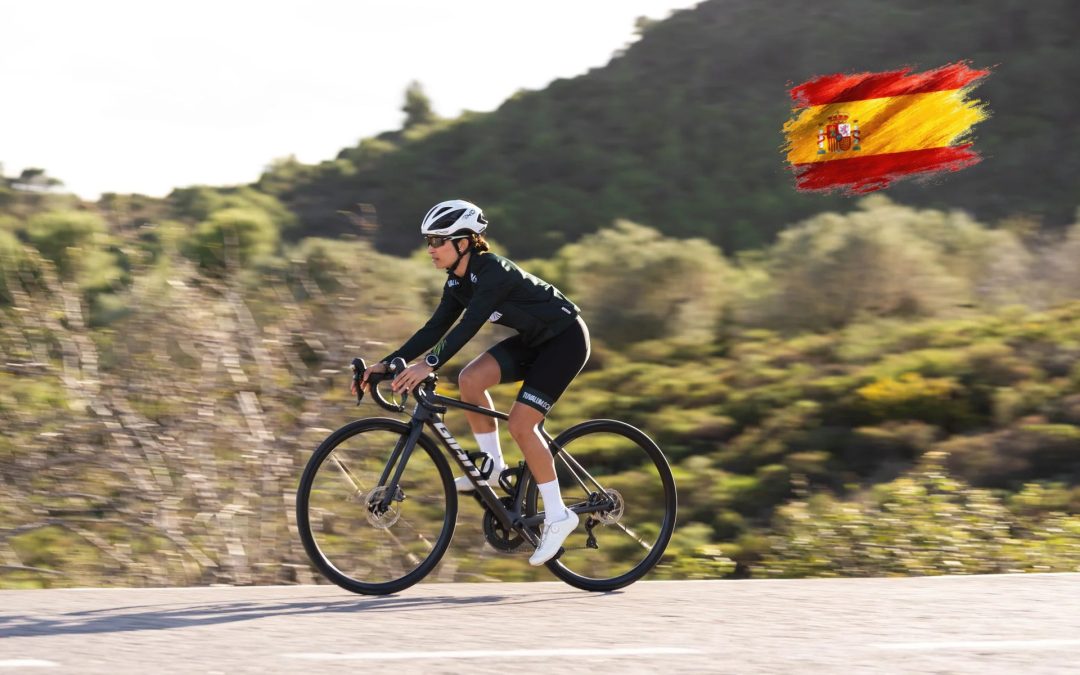
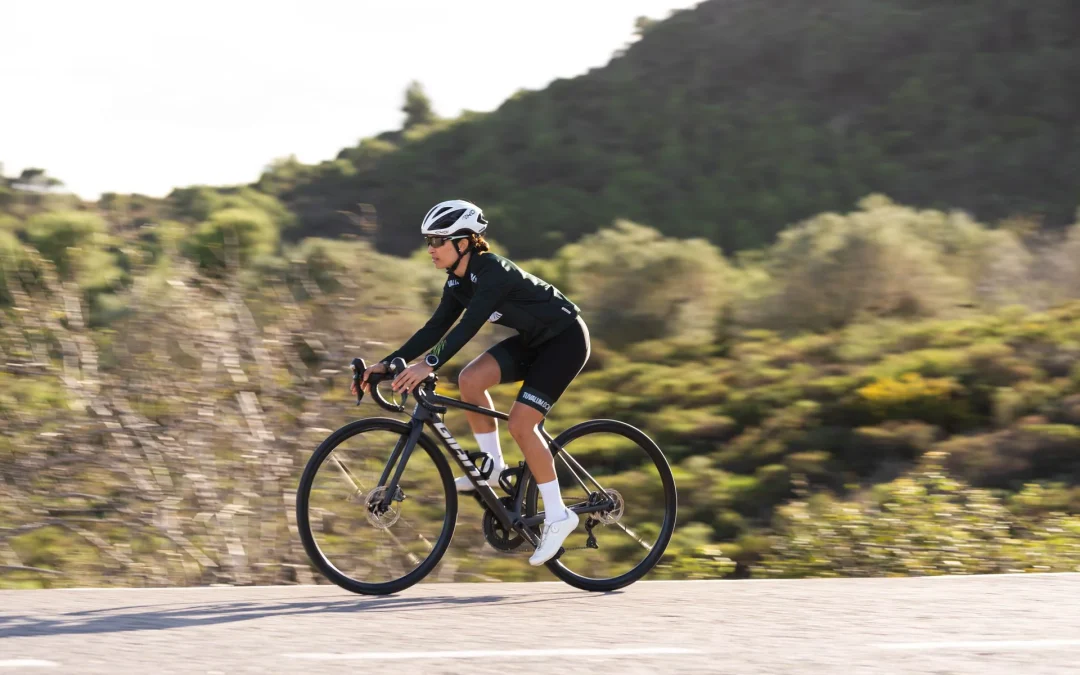
Photo by Tuvalum from Pexels: https://www.pexels.com/photo/woman-cycling-on-road-17239284/
by Ralf Tenbrink | 10, Aug 2026 | 2026 Vuelta a España
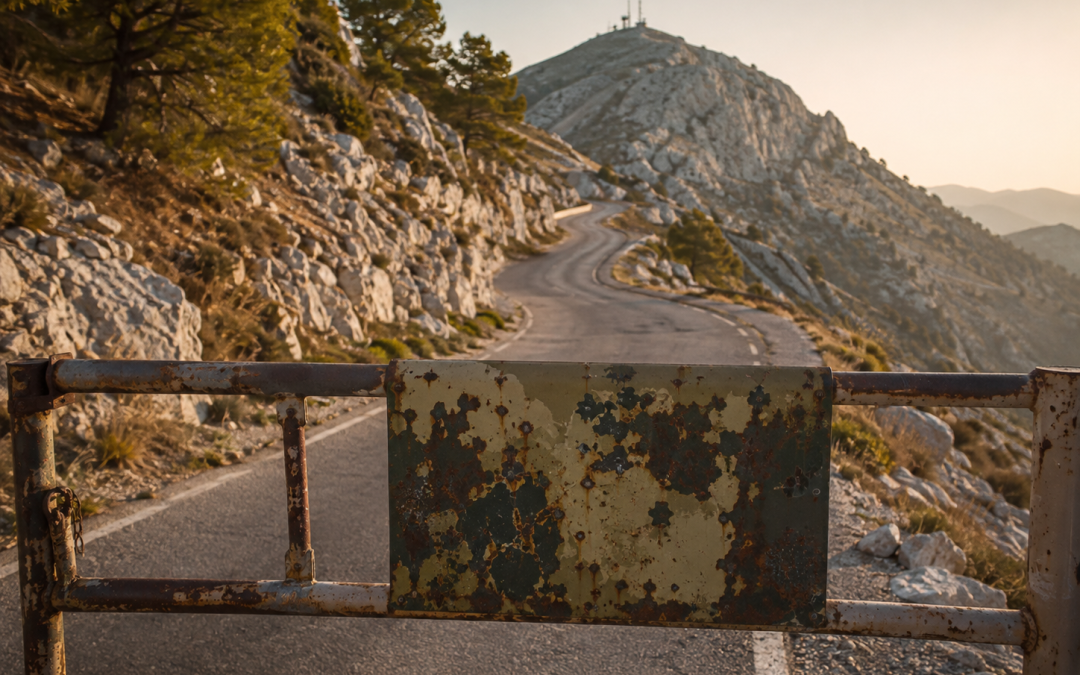
Most days, the road to the top of Aitana is locked. The summit is a military base, and the final stretch of road up to it stays closed to the public more or less permanently, opened only on the rare occasions the mountain has hosted a Vuelta finish. August 30, 2026 is one of those occasions, the fifth time in the race’s history, and by most accounts the hardest way anyone has ever been asked to get up there.
If you’ve read our piece on what stage 9 means for your riding plans, this is the companion to it: the story of why Aitana matters, and what we currently know about watching the stage in person.
Key Takeaways
| Question | Quick Answer |
|---|
| Has Aitana hosted La Vuelta before? | Yes, four times previously. 2026 will be its fifth finish, after a 10-year absence |
| Is the summit normally open to cyclists? | No. It’s a military base, and the final approach road stays closed to the public most of the year |
| What happened here in 2016? | Nairo Quintana beat Chris Froome to the stage win in a general classification battle |
| Where does the stage start? | La Vila Joiosa (Villajoyosa), a first-time Vuelta start town |
| Are official viewing areas announced yet? | Not yet, check back closer to race day |
| What’s a realistic, well-known vantage point? | Puerto de Tudons, the climb immediately before the final ascent, a road that’s open to the public year-round |
Why This Stage Is Different
Every mountain stage finish matters to the riders. This one carries extra weight because of where it ends. Alto de Aitana’s summit road isn’t a normal public mountain pass you can ride whenever you like, it’s gated, guarded, and closed most of the year because the summit itself hosts a military installation. The handful of times outsiders get to see the top of that climb by road at all, a Vuelta stage finish is usually the reason.
This will be Aitana’s fifth Vuelta finish, and its first in ten years, arriving on the 25th anniversary of the climb’s race debut. The most famous of the previous finishes came in 2016, when Nairo Quintana out-climbed Chris Froome to take the stage in what was, at the time, a live battle for the overall race lead. That history is part of why this particular return matters to people who follow the sport here, not just the difficulty of the route itself.
And the difficulty is real. La Vuelta’s technical director, Fernando Escartín, called it “the toughest of all the editions of La Vuelta,” citing roughly 5,200m of elevation gain over six mountain passes in 187.5km, against a typical mountain stage’s 3,900 to 4,000m. UNIPUBLIC’s general manager Javier Guillén made the same point from the organizer’s side. This isn’t marketing language, it’s two people who plan Vuelta routes for a living saying this one is harder than what they usually build.
Villajoyosa: Where It All Begins
The stage starts at sea level in La Vila Joiosa, known locally as Villajoyosa, and it’s a fitting contrast to where the day ends. The town’s seafront is lined with brightly painted houses facing the Mediterranean, a look that’s become one of the most photographed spots on this stretch of coast. Behind that, a walled old quarter dating back centuries holds narrow streets and the Parish Church of Nuestra Señora de la Asunción. Villajoyosa is also known for chocolate: it’s home to a long-running chocolate-making tradition and a dedicated museum, built around a local industry that goes back generations.
This is the first time the town has hosted a Vuelta departure, according to the race’s own historical records, so August 30 will be a first for Villajoyosa as much as it’s a comeback for Aitana.
The Six Climbs
The route officially includes six categorized mountain passes on the way from the coast to the summit. Two are named specifically in the race’s own route announcement: the first-category Alto del Miserat and the second-category Puerto de Tudons, both climbed before the final push to Aitana itself. Independent cycling climb databases put the approach to Puerto de Tudons at somewhere around 15km, gaining roughly 700-750m depending on which side you start from, a serious climb in its own right before the road continues up toward the closed summit gate.
There’s no easy section in this stage. Escartín’s own description was blunt: “there isn’t a single meter of rest.”
Where to Watch, What We Know So Far
No official fan zones or public viewing points have been announced for this stage yet, and given it’s still three weeks out, that’s normal. When they are announced, expect them from the Diputación de Alicante or La Vuelta’s own channels, and we’ll update this piece once they’re public.
In the meantime, a few things are already true and worth planning around. Puerto de Tudons, the pass immediately before the final Aitana ascent, is a road that’s open to the public for most of the year and a genuinely popular climb with local cyclists already, which makes it a realistic, accessible place to base yourself if you want to see the race on a real mountain road rather than from a barrier at the finish. The villages the route passes on the way up, including Sella and Confrides, sit close to that climb and are the kind of small mountain towns that traditionally fill up with fans on Vuelta mountain days.
The finish itself, inside the gates of a normally closed military site, will have far more restricted access than a typical summit finish. If seeing the actual finish line matters to you, that’s worth confirming directly once official information is available, rather than assuming the same free access you’d get at an open mountain pass.
A Few Honest Tips for Watching a Mountain Stage
Mountain stage crowds build early, often hours before the riders arrive, since roads close well ahead of the race and once you’re in position, you’re generally there for the duration. Bring water, shade if you can manage it, and food, since shops in small mountain villages can be limited on a day like this. Late August heat on these interior roads is a real factor, our guide to cycling in hot weather covers the same precautions that apply whether you’re riding or standing at the roadside for hours.
If you want to combine watching with riding, a common approach on Vuelta mountain days is cycling up part of the route before the roads close to cars, then finding a spot to watch once you’re in position. That depends entirely on the closure schedule for this stage, which isn’t published yet, so treat it as a plan to firm up closer to the date rather than something to book around now.
Related Cycling Resources
FAQ
Why is Alto de Aitana such a big deal for this stage? The summit hosts a military base and the final approach road is normally closed to the public. Vuelta stage finishes are one of the only times the climb is accessible at all, and this is only the fifth time it’s happened in race history.
Has Aitana featured in a famous Vuelta battle before? Yes. In 2016, Nairo Quintana beat Chris Froome on the climb in a stage that mattered directly to the overall race lead.
Can I ride to the summit of Aitana normally? No, the final approach is gated and closed most of the year due to the military installation at the top. Nearby climbs like Puerto de Tudons are open to the public year-round.
Where’s a good place to watch if I can’t get near the finish? Puerto de Tudons, the climb just before the final ascent, is publicly accessible and a well-known local climb. Villages along the route like Sella and Confrides are also realistic options, though no official fan zones have been announced yet.
When will official spectator information be published? Not yet available as of this writing. Expect updates from the Diputación de Alicante or La Vuelta’s official channels closer to race day.
How does this stage’s difficulty compare to a normal Vuelta mountain stage? La Vuelta’s own technical director put a typical mountain stage at 3,900-4,000m of climbing. This stage has roughly 5,200m over 187.5km, which is why it’s being called the toughest in the race’s history.
What’s the start town like? La Vila Joiosa (Villajoyosa) is a coastal town known for colourful seafront houses, a walled old quarter, and a long chocolate-making tradition with its own museum. It’s never hosted a Vuelta start before.
Research sources: La Vuelta 2026 official stage 9 heritage page for Aitana, La Vuelta 2026 official stage 9 heritage page for Villajoyosa, Diario de Alicante, “The toughest stage in the history of La Vuelta will link Villajoyosa and Aitana on August 30th”, La Vuelta 2026 official stage 9 page.