by Ralf Tenbrink | 5, Nov 2025 | Costa Blanca News, Latest News
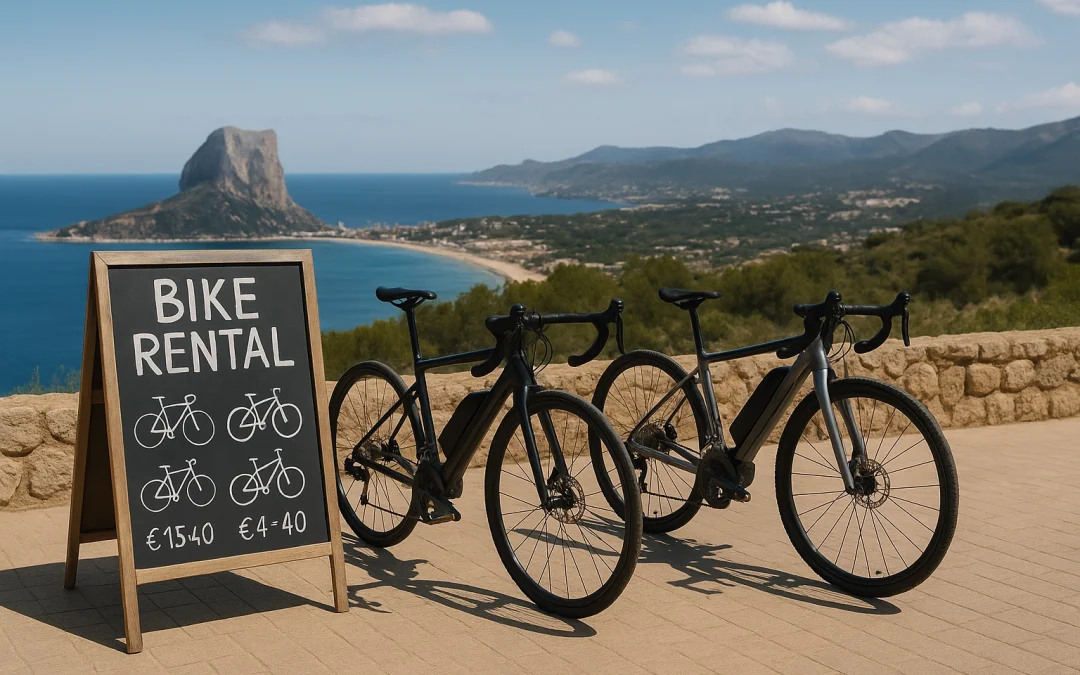
Comprehensive directory of bike rental providers, including types of bikes and pricing.
Key Takeaways
| What You Need to Know | Details |
|---|
| Best Value Option | Cervelo Soloist 2025 at Blanca Bikes – €23/day or €155/week |
| Free Delivery Service | Allure Bike Rental delivers to Altea, Benidorm, La Nucia areas |
| Family-Friendly Choice | Costa Blanca Bike Hire with child bikes and trailers |
| Peak Season | February to May – book 2-3 weeks ahead |
| Price Range | €15-40 per day depending on bike type |
Why Costa Blanca Became Spain’s Cycling Paradise
Ever wonder why pro cyclists keep showing up on the Costa Blanca roads every winter? Its not just the weather – though 300 days of sunshine definitely helps. The region turned into cycling gold because it gives you everything: flat coastal rides for warming up, mountain climbs that’ll test your legs, and quiet inland roads where cars barely exist.
The transformation happened fast. Ten years ago, you’d struggle finding a decent rental bike. Now? Professional teams from Belgium, Netherlands, and Germany set up training camps here from December through March. The local goverment noticed and started improving road surfaces, adding bike lanes, and marking cycling routes. Alicante Airport sits just 45 minutes away from most coastal towns, with direct flights from London, Amsterdam, Berlin – basically everywhere in Europe.
What makes it special though? The variety. You can ride along the Mediterranean coast in the morning, then climb into the mountains after lunch. The famous Coll de Rates climb starts from sea level and takes you up 600 meters in just 6 kilometers. Or maybe you prefer the gentle Via Verde routes – old railway lines converted into cycling paths perfect for families.
Blanca Bikes: More Than Just Rentals in Calpe
Blanca Bikes changed the game when they opened in Calpe. Instead of just renting bikes, they created what locals call a “cycling living room” – a place where riders actually want to hang out. Walk in and you’ll smell espresso mixing with chain oil, see cyclists planning routes over breakfast, mechanics fixing bikes in the background.
Their fleet focuses on two brands that matter: Specialized and Cervelo. The Specialized Tarmac road bikes fly on the flat coastal roads. The Diverge gravel bikes handle the rough stuff when you want to explore dirt tracks inland. But here’s the real news – they just got 20 Cervelo Soloist 2025 bikes. These normally cost thousands to buy, but you can rent one for €23 per day. Book a full week? Just €155 total. That’s basically stealing a pro-level bike for a week.
E-bikes changed everything for mixed groups. Got friends who ride at different speeds? The person struggling up hills takes an e-bike, suddenly everyone rides together. No more waiting at the top of climbs, no more splitting the group. Blanca stocks both road and mountain e-bikes.
The QR code system they use is genius. Pick a route, scan the code with your phone, boom – it loads straight into your GPS. No typing coordinates, no downloading files. They’ve mapped over 50 routes ranging from easy 30km coastal spins to brutal 150km mountain epics. Staff actually ride these routes weekly, so when they suggest one, they know exactly what they’re talking about. Check out more options at top bike rental shops in Calpe for comparison.
Visit the website.
Allure Bike Rental: Free Delivery to Your Door
Some people just want their bike waiting at the hotel when they arrive. Allure Bike Rental built their whole business around this idea. Based in Alfaz del Pi, they cover a huge delivery area: Altea, La Nucia, Polop, Albir, Benidorm, Finestrat. Stay anywhere in these towns? Your bike shows up free.
Their fleet leans heavily toward carbon road bikes – the light, fast ones serious cyclists want. The Jan Janssen Sonic Disc models come with hydraulic disc brakes, perfect for those steep descents from the mountains. BH Core electric road bikes help when your legs say no but your brain says yes. Every bike comes set up exactly how you want it: your pedals, your saddle height, your handlebar position.
What really sets them apart? The extras nobody else thinks about. Need carbon wheels for that special ride? They’ve got them. Forgot your helmet? No problem. Want energy gels and bars? They stock those too. One customer told me they even delivered a replacement bike to him mid-ride when he had a mechanical issue the shop couldn’t fix roadside.
Airport transfers make everything simple. Land at Alicante, they pick you up, drive you to your hotel with your bike already assembled and waiting. When you leave, they collect everything. No bike boxes at check-in, no stress about airline damage. The whole process just… works.
Visit the website.
Costa Blanca Bike Hire: Family-Friendly Since 2005
Costa Blanca Bike Hire doesn’t try to be fancy. They’ve been doing the same thing since 2005: providing reliable bikes at prices that don’t hurt your wallet. Based near the Mar Menor (that shallow lagoon perfect for kids), they understand family cycling better than anyone.
Their Trek fleet covers everything. The Trek road bikes work fine for casual riders who want to explore without racing. Trek 3700 mountain bikes handle the easier trails around the salt lakes. But where they really shine? Family stuff. Child bikes in every size, tag-along bikes for little ones not ready to ride alone, child seats for toddlers, even cargo trailers for hauling beach gear.
Every rental includes the basics people forget to ask about: helmet, lock, pump, spare tube, rear bag for your stuff. No surprise charges when you show up. They also throw in a basic tool kit and their phone number – call if anything goes wrong and they’ll come help.
The Mar Menor location works perfectly for families. The area stays flat – no scary mountain roads. The lagoon offers safe swimming spots to cool off. Plenty of cafes and ice cream shops dot the route. Kids can actually enjoy cycling here instead of suffering up hills. Plus they deliver free to most hotels in the area, collecting the bikes when you’re done.
Comparing Prices: What You Actually Pay
Let’s talk money because rental prices vary wildly depending on what bike you want and when you visit. Here’s what you’re really looking at:
Budget Aluminum Road Bikes
- Daily rate: €15-20
- Weekly rate: €80-120
- Includes: Basic components, standard pedals, helmet
Premium Carbon Road Bikes
- Daily rate: €25-40
- Weekly rate: €150-250
- Includes: High-end components, choice of pedals, computer
E-Bikes (Road or Mountain)
- Daily rate: €35-50
- Weekly rate: €200-350
- Includes: Battery charger, extended range battery option
Special Deals Worth Knowing
- Cervelo Soloist at Blanca: €23/day or €155/week (incredible value)
- Group discounts: Usually 10-15% for 5+ bikes
- Long-term rentals: Prices drop significantly after 2 weeks
Hidden costs catch people out. Some shops charge extra for pedals (€5/day), GPS units (€10/day), or premium wheels (€15/day). Always ask what’s included. Damage waivers run €5-10 per day but could save you hundreds if something breaks.
Peak season (February to May) sees prices jump 20-30%. Book early or visit in autumn for better deals. November offers perfect weather and empty roads, plus rental prices drop back to low season rates. For comprehensive options across the region, explore the full bike rentals directory.
Booking Smart: When and How to Reserve
Timing matters more than most people realize. Professional teams book out entire rental fleets from January through April. If you’re planning a February or March trip, start looking at bikes in December. Seriously – the good stuff disappears fast.
Online booking changed everything. Every decent shop now lets you reserve bikes through their website. You’ll need to provide:
- Exact dates (pick-up and return times)
- Your height and inseam (for bike sizing)
- Pedal preference (flat, SPD, Look, Speedplay)
- Any special requests (women’s saddle, different stem length)
Here’s a pro tip: call the shop after booking online. Websites don’t always show everything available. That sold-out Cervelo might have a cancellation. They might upgrade you if you’re nice. Real humans answering phones can solve problems websites can’t.
Bike fitting isn’t just for pros. A wrong-sized bike ruins everything – sore back, numb hands, knee pain. Good shops ask for your measurements and set up the bike before you arrive. Even better ones spend 15 minutes adjusting everything when you pick up the bike. Your body will thank you after a 100km ride.
Cancellation policies vary wildly. Some shops offer full refunds until 48 hours before, others keep deposits no matter what. Weather cancellations usually aren’t covered. Travel insurance that includes bike rentals costs maybe €20 but could save you hundreds if plans change.
Support Services That Make the Difference
The best rental shops realized that just handing over a bike isn’t enough anymore. Modern cyclists want the full package – routes, repairs, guidance, even post-ride recovery.
Guided tours work brilliantly for first-time visitors. Sure, you could figure out routes yourself, but why stress? Local guides know which cafes make the best cortado, where to find water fountains, which climbs match your fitness level. Group tours also solve the safety concern many solo riders have. Prices run €50-80 per person for a half-day tour including the guide, support vehicle, and usually lunch.
Mechanical support separates serious shops from casual rentals. Blanca Bikes has full workshop facilities with trained mechanics. Break something mid-ride? They’ll often drive out with replacement parts. Other shops partner with local mechanics who provide roadside assistance. Always ask about mechanical support before renting – getting stranded 50km from town isn’t fun.
Route planning help comes in different forms. Some shops just hand you a paper map (pretty useless honestly). Better ones provide GPS files you can load into your Garmin or phone. The best create custom routes based on your fitness and interests. Want to see the almond blossoms in February? They’ll route you through the orchards. Training for a race? They’ll find climbs matching your target event.
Recovery facilities might sound excessive, but they matter after long rides. Blanca Bikes’ cafe serves recovery shakes and proper food. Some hotels partnering with rental shops offer massage services, stretching areas, even ice baths. Your legs will thank you. Discover more about comprehensive bike support services Costa Blanca has developed.
Choosing Your Perfect Rental Provider
So which shop should you actually choose? Depends entirely on what kind of cyclist you are and what you want from your trip.
Choose Blanca Bikes if you’re:
- A serious cyclist wanting high-end bikes
- Interested in group rides and meeting other cyclists
- Staying in or near Calpe
- Looking for the Cervelo Soloist deal
- Want comprehensive route support
Choose Allure Bike Rental if you’re:
- Staying in Altea, Benidorm, or surrounding areas
- Value convenience over community
- Want door-to-door service
- Need airport transfers
- Prefer dealing with one company for everything
Choose Costa Blanca Bike Hire if you’re:
- Traveling with family including kids
- On a tight budget
- Staying near Mar Menor
- Want simple, reliable service
- Don’t need high-end equipment
Location matters too. Staying in Denia? Look for shops there rather than driving to Calpe. Planning to explore inland routes? Base yourself in a town with mountain access. The coast looks beautiful but inland roads offer better cycling – less traffic, more variety, better road surfaces.
Don’t forget about combining services. Maybe rent from one shop but join another’s group rides. Book a guided tour first to learn the area, then rent independently for the rest of your stay. Many shops collaborate rather than compete, especially for specialized requests.
The cycling infrastructure here keeps improving every year. New bike lanes, better signage, more cyclist-friendly cafes. Whether you’re training for your next race or just want to pedal along the sea with your family, Costa Blanca’s rental shops have evolved to meet your needs. Just remember – book early, ask questions, and don’t be afraid to shop around for the best deal.
For route inspiration, check out the bike routes section, or if you want organized experiences, explore available bike tours throughout the region.
Frequently Asked Questions
Do I need to bring my own pedals and shoes? Most shops provide flat pedals free but charge €5-10 daily for clipless pedals. If you have specific pedals you prefer, bring them – takes two minutes to swap them onto the rental bike.
What happens if the bike gets damaged or stolen? Basic damage (punctures, minor scratches) usually isn’t charged. Major damage or theft means you pay – sometimes the full retail price. Damage waivers (€5-10 daily) cap your liability at €200-500. Check if your travel insurance covers bike rentals.
Can I change bikes during my rental period? Most shops allow one free swap if the bike doesn’t fit properly. Wanting to try different bikes usually costs extra. Blanca Bikes lets you swap between their fleet for a small fee – road bike one day, gravel the next.
Is it cheaper to bring my own bike? Airlines charge €50-150 each way for bike boxes. Add the hassle of packing, risk of damage, and assembly time. For trips under two weeks, renting usually makes more sense financially and logistically.
What’s the minimum rental period? Most shops rent daily but offer better rates for 3+ days. Some high-end bikes have 3-day minimums during peak season. Weekly rates offer the best value – sometimes just 4x the daily rate for 7 days.
by Ralf Tenbrink | 18, Oct 2025 | Costa Blanca News, Latest News
Cycling-Friendly Accommodations: Top Hotels for Cyclists in Calpe
Key Takeaways
| Hotel | Best For | Bike Facilities |
|---|
| SOLYMAR Gran Hotel | Solo riders and couples wanting a full “Bike Centre” | Parking workshop, wash area, laundry, truck parking |
| ESTIMAR Calpe Suitopía | Groups and families who still want serious bike facilities | Bike Centre with workshop, wash area, laundry, guided-route GPS |
| AR Diamante Beach & Spa | Riders chasing a preseason training-camp atmosphere | Secure storage, wash area, basic repair workshop |
| Hotel RH Ifach | Budget-conscious riders who still want real facilities | Camera-monitored storage, tool workshop, sports-menu buffet |
| Hotel Bahía Calpe (Pierre & Vacances) | Beachfront stays with flexible, self-catering-style rooms | Storage room, workshop, personalised route suggestions |
| The Cookbook Gastro Boutique Hotel & Spa | A quieter, higher-end base away from the beachfront crowds | Secure storage, cleaning/maintenance area, sports massage |
All six are checked against each hotel’s own current cycling-facilities page as of this update, not carried over from an earlier version of this article.
Why Cyclists Base Themselves in Calpe
Calpe sits where the flat coastal N-332 meets the climbs of the Marina Alta, which is the practical reason so many riders end up basing themselves here rather than in Benidorm or Altea: you can do an easy spin along the seafront or a mountain stage without needing to drive to the start. The town gets a genuine winter-training reputation, not a marketing one. AR Diamante Beach and RH Ifach both describe themselves, on their own sites, as regular preseason bases for professional teams, and the Coll de Rates climb just inland has become enough of a draw on its own that Cyclingnews reported riders travelling specifically to challenge Tadej Pogačar’s Strava time on it.
That combination, flat recovery miles on the coast and a genuine climb 20 minutes inland, is why the hotel you pick matters more here than in a purely coastal resort town. A hotel with nowhere secure to keep a €5,000 bike, or no way to wash the salt and grit off it after a ride, is a real problem in Calpe in a way it might not be somewhere flatter.
What Actually Makes a Hotel Bike-Friendly
“Cyclist-friendly” gets printed on a lot of hotel websites. What separates a hotel that means it from one that doesn’t comes down to a handful of specifics, and every hotel below is checked against these:
Storage that’s actually secure and accessible. A locked room with hooks or racks, reachable without carrying a bike up stairs or through a narrow lobby doorway, is the baseline. Several Calpe hotels go further with camera-monitored storage (RH Ifach is explicit about this on its own site).
A real washing and maintenance area, not a hose in the car park. The better hotels here run a dedicated “Bike Centre” or workshop with a wash bay, basic tools, and somewhere to leave a bike to dry overnight rather than back in the room.
Recovery facilities that suit a training day, not just a leisure holiday: a pool for an easy spin down, a spa or sauna, and in some cases sports massage on request.
Meal timing that works around riding, not around hotel convention. An early breakfast and a kitchen that doesn’t blink at a rider ordering a second plate of pasta matters more here than at a typical beach hotel.
The Bike Center Hotels: SOLYMAR Gran Hotel and ESTIMAR Calpe Suitopía
These two are run by the same hotel group (ESTIMAR Hotels), which is worth knowing if you’re weighing them against each other rather than treating them as unrelated properties.
SOLYMAR Gran Hotel is the adults-only, beachfront option, and it’s the hotel most cycling-focused write-ups of Calpe lead with, including Epic Road Rides’ own roundup of the town’s cycling hotels. Its own site describes a dedicated “Bike Centre” with a parking workshop, washing area, laundry facilities and even truck parking, useful if a team or club is arriving with a support vehicle. The hotel displays logos from professional continental teams it says have trained there, though it doesn’t name specific WorldTour squads on its current site, so treat that as “used by pro teams” rather than “hosts WorldTour team X every winter.”
ESTIMAR Calpe Suitopía sits in central Calpe and is pitched more as a family hotel, but its cycling facilities are essentially the same tier as SOLYMAR’s: a Bike Centre with its own workshop, wash area and laundry, plus guided routes with GPS support. Its site also displays professional team logos, including Astana, suggesting it hosts training camps and team presentations rather than being purely a family-holiday property. If you’ve been picturing it as the budget, apartment-style option in this pairing, that’s not quite accurate: it’s suite-style accommodation, not self-catering apartments, and it’s positioned closer to mid-range than budget.
Hotel RH Ifach: The Budget Pick That Still Takes Cycling Seriously
Older versions of this kind of roundup sometimes reference a “Hotel RH Canfali” in Calpe. That hotel doesn’t appear to exist under that name. The real RH property here is Hotel RH Ifach, a 4-star all-inclusive hotel near the beach, and per its own site it’s explicit that it “specializes in hosting professional cycling teams for training camps,” with trailer parking and meeting facilities alongside standard rooms.
For a bike, RH Ifach offers a camera-monitored storage area and a workshop stocked with basic tools, plus a space to clean and prep a bike between rides. The buffet is described on the hotel’s own site as overseen by nutritionists working to a sports-menu brief, with flexible hours to fit training schedules rather than a fixed hotel breakfast slot. Positioned as the best value of the group here, without giving up real bike infrastructure.
AR Diamante Beach & Spa: The Training-Camp Choice
AR Diamante Beach sits close to Levante Beach and is where several sources, not just its own marketing, describe genuine preseason team activity: Epic Road Rides notes it’s “really popular as a training base for pro cycling teams,” a description echoed independently by other cycling-accommodation sites covering Calpe.
The bike facilities are straightforward rather than flashy: secure storage, a washing area and a basic repair workshop. The bigger draw is the spa and a restaurant that Epic Road Rides describes as offering menus “tailored to athletes.” If you’re specifically hoping to be around a training-camp atmosphere in the winter months, this is the hotel most consistently described that way across independent sources, not just its own site.
Hotel Bahía Calpe: Beachfront and Flexible
Run by Pierre & Vacances, Hotel Bahía sits on Avenida Valencia with views toward the Peñón de Ifach. Its own cycling page lists a storage room, a workshop, and personalised route suggestions at reception, along with access to four curated routes in the 82-139km range with elevation gains up to nearly 2,900 metres, aimed at riders who want a serious day out rather than a recovery spin. It doesn’t claim to host professional teams, and there’s no reason to overstate it: it’s a solid, flexible, mid-range beachfront option with real (if not elaborate) bike facilities.
The Cookbook Gastro Boutique Hotel & Spa: The Quiet Option
If the beachfront hotels sound too busy, The Cookbook, in the quieter Marisol Park area, is a boutique alternative with secure bike storage, a cleaning and maintenance area, and sports massage on request. It’s positioned at the higher end and won’t suit a large group, but for a couple or a solo rider who wants a quiet base away from the seafront while still keeping real bike facilities, it’s a genuine option that most Calpe cycling roundups (including this one, previously) leave out entirely.
Where to Base Yourself in Calpe
Location changes your daily ride more than most riders expect before they’ve tried it.
Central Calpe, near the old town and the beaches, puts you within walking distance of restaurants and the town’s bike shops (see the full Bike Shops in Calpe guide), but the first few kilometres of any ride mean navigating town traffic and, in summer, tourist congestion.
North of the centre, toward Moraira, gets you onto the quieter N-332 heading up the coast faster, at the cost of being a short ride or drive from the town’s restaurant options in the evening.
Inland, toward areas like Maryvilla, splits the difference: closer to some dining than the northern hotels, with quicker access onto the quieter roads toward Benissa and the climbs of the Marina Alta, including Coll de Rates (6.4km, 5.4% average, 347m of climbing from the Parcent side, per The Ride Atlas).
If a mechanical is a real worry, central Calpe’s proximity to its bike shops is a genuine practical advantage over the quieter, more peripheral hotels.
Booking Around Calpe’s Cycling Seasons
December through February is peak training season: mild enough for base miles, and when most of the professional-team activity described above actually happens. Hotels with real cycling facilities book up early for this window, so reserve well ahead if you’re targeting these months specifically.
March through May brings the best all-round riding weather and coincides with the European road season picking up, which also means hotels fill for spring sportives.
June through August is Calpe’s busiest tourist season, and also its hottest and most traffic-heavy for riding. If you’re coming specifically to train rather than for a family beach holiday, this isn’t the window to pick.
September through November sees the tourist crowds thin out while the weather stays rideable, and hotels typically have more availability.
Booking directly with the hotel rather than through a general booking site is worth trying if you want to confirm bike-storage capacity or ask about workshop access in advance. All six hotels above list contact details on their own cycling-facilities pages, which is also the fastest way to get an accurate current answer on room rates, since none are published consistently enough across sources to quote reliably here.
Beyond the Hotel: Calpe’s Wider Cycling Support
A hotel is only part of the picture. Calpe has a genuine local cycling scene: Calpe Cycling Club is an established local club, and the town’s own tourism site lists cycling among its core sports offerings. For mechanical support beyond what a hotel workshop can handle, the full Bike Shops in Calpe guide covers the town’s repair shops in detail, and Bike Hire in Calpe covers rental options if you’re not bringing your own bike, including Blanca Bikes, which several of the hotels above work with directly.
If you’re planning routes beyond the hotel’s own suggestions, the Coll de Rates Cycling Guide and the site’s broader cycling routes hub cover the climbs and loops most riders base themselves in Calpe to reach.
Compare and Book
Every hotel above lists live availability and rates on its own site, which will always be more current than a fixed price printed here. For accommodation beyond these six, including apartments and longer-stay options, see the full Cycling Accommodation in Calpe guide and the site’s wider bike accommodation directory.
Frequently Asked Questions
What’s the best hotel in Calpe for a solo cyclist or a couple? SOLYMAR Gran Hotel is the most consistently recommended option for this across independent cycling-travel sources, largely on the strength of its dedicated Bike Centre and adults-only setting.
Which Calpe hotel is genuinely used by professional cycling teams? AR Diamante Beach and RH Ifach both describe themselves, on their own sites, as preseason training bases for professional teams. Treat any hotel’s own “pro team” claims as marketing unless, like these two, they’re echoed by independent sources too.
Is there a budget option in Calpe that still has real bike facilities? Hotel RH Ifach is the best-value pick here that still offers monitored storage and a proper workshop, rather than just a locked room.
Do any of these hotels arrange bike rentals? Several work with local rental partners rather than renting bikes directly. SOLYMAR Gran Hotel’s cycling page points to bike rental recommendations, and Blanca Bikes is the rental partner most commonly associated with Calpe’s cycling hotels.
Is Calpe good for winter cycling? Yes. Winter is when most of the professional training-camp activity described above actually happens, and it’s the single biggest reason Calpe’s hotels built out dedicated bike facilities in the first place.
How far is Coll de Rates from central Calpe? It’s roughly a 20-minute ride from most Calpe hotels to the base of the climb, which is part of why hotels here treat it as a defining local feature rather than a day-trip destination.
Do these hotels have laundry facilities for cycling kit? Most of the hotels above list laundry as part of their Bike Centre or general facilities on their own sites; check directly with the hotel if you need same-day turnaround, since this varies by property and season.
Should I book directly with the hotel or through a booking site? Booking directly is worth trying if bike storage capacity or workshop access matters to you, since it’s easier to confirm details with the hotel than through a general booking platform, and some hotels offer group rates for parties of four or more rooms when booked directly.
by Ralf Tenbrink | 19, Sep 2025 | Costa Blanca News, Latest News, Mountain Biking Trails in Costa Blanca
Mountain Biking Trails in Costa Blanca – Family-Friendly MTB Trails
Introduction
There’s a unique joy that comes from exploring the world on two wheels, and when that exploration involves the entire family, the experience becomes truly unforgettable. Imagine pedaling through breathtaking landscapes, the sun warming your skin, and the laughter of your children echoing through ancient forests. This dream can become a reality in Costa Blanca, Spain, a region renowned not just for its stunning beaches but also for its incredible mountain biking opportunities. Far from being solely the domain of extreme sports enthusiasts, Costa Blanca offers a wealth of trails perfectly suited for families looking to combine adventure with accessibility. For a comprehensive overview of all off-road options, check out our Complete Guide to Off-Road Mountain Biking Trails in Costa Blanca. This article will guide you through some of the best family-friendly mountain biking trails in this picturesque corner of Spain, ensuring that riders of all ages and skill levels can discover the thrill of off-road cycling amidst spectacular scenery. Get ready to create lasting memories as we delve into the heart of Costa Blanca’s family-friendly MTB scene.
Why Costa Blanca for Family Mountain Biking?
Costa Blanca, stretching along Spain’s southeastern coastline, is a veritable paradise for outdoor enthusiasts, and mountain biking families are no exception. Its allure lies in a unique combination of factors that make it an ideal destination for cycling adventures with children. Firstly, the region boasts an incredibly diverse landscape. From the rugged peaks of the Sierra de Bernia and Puig Campana to the lush pine forests that blanket the foothills, and down to the sparkling Mediterranean Sea, every turn of the pedal offers a new vista. This variety ensures that rides are never monotonous, providing constant visual stimulation for young and old alike.
Secondly, the weather in Costa Blanca is exceptionally favorable for outdoor activities almost year-round. With over 300 days of sunshine annually and mild winters, families can plan their biking holidays outside of the scorching summer months, enjoying comfortable temperatures perfect for physical exertion. This extended season means more flexibility for families to visit during school breaks or quieter periods, avoiding peak tourist crowds.
Furthermore, the region has invested significantly in developing and maintaining a network of trails suitable for various skill levels. Many routes are repurposed agricultural tracks, old railway lines (known as Via Verdes), or well-established forest paths that are wide, relatively smooth, and free from overly technical obstacles. This accessibility is crucial for families, as it allows even novice riders or those with younger children on balance bikes or in trailers to participate safely and enjoyably. The clear signage and well-trodden paths also reduce the risk of getting lost, adding an extra layer of peace of mind for parents.
Finally, beyond the trails themselves, Costa Blanca offers a wealth of family-friendly infrastructure. Numerous towns and villages along the coast and inland provide comfortable accommodations, delicious local cuisine, and a host of other activities to complement a biking holiday. From water parks and zoos to historical sites and charming markets, there’s always something to keep everyone entertained off the bike. This holistic approach to family tourism makes Costa Blanca an unbeatable choice for a memorable mountain biking getaway.
Featured Family-Friendly MTB Trails
Finestrat Forest Trail (Finestrat)
Nestled in the shadow of the iconic Puig Campana mountain, the Finestrat Forest Trail offers an idyllic setting for a family mountain biking adventure. For a more challenging ride around this majestic peak, consider exploring the Puig Campana Mountain Trail. This trail is a prime example of Costa Blanca’s natural beauty and its commitment to accessible outdoor recreation. The route winds through fragrant pine forests, providing ample shade and a refreshing atmosphere, especially welcome during warmer days. The terrain is generally forgiving, characterized by wide, well-maintained dirt paths with gentle gradients, making it perfectly suited for beginners and families with younger children who are still building their confidence on two wheels.
What truly sets the Finestrat Forest Trail apart are its breathtaking panoramic views. As you pedal along, you’ll be treated to stunning vistas of the majestic Puig Campana, its rugged peaks dominating the skyline. This impressive mountain serves as a constant, awe-inspiring backdrop to your ride. In addition to the mountain views, glimpses of the distant Mediterranean Sea can be caught through breaks in the trees, adding another layer of scenic beauty to the experience. The combination of lush greenery, dramatic mountainscapes, and sparkling sea views creates a truly immersive and picturesque environment.
Beyond the cycling itself, the Finestrat Forest Trail area is dotted with charming picnic spots, perfect for a mid-ride break to refuel and soak in the surroundings. These designated areas often feature tables and benches, making it easy for families to enjoy a packed lunch or snacks amidst nature. The manageable length and relatively easy technical demands of the trail mean that families can enjoy a leisurely pace, allowing plenty of time for exploration, photography, and simply enjoying each other’s company in a beautiful natural setting. It’s an adventure that promises both gentle exercise and unforgettable memories for the whole family.
Via Verde de Denia (Denia)
For families seeking an even gentler cycling experience, the Via Verde de Denia is an absolute must-visit. This delightful trail is a shining example of how disused railway lines can be transformed into fantastic recreational pathways, offering a smooth, flat, and incredibly scenic route for cyclists of all ages, including the very youngest. The term “Via Verde” literally translates to “Greenway,” and it perfectly encapsulates the essence of this trail: a verdant corridor designed for non-motorized travel, promoting sustainable tourism and outdoor enjoyment.
The Via Verde de Denia follows the path of an old railway line that once connected Denia to Gandia. This historical repurposing means the trail is remarkably flat, with no significant climbs or descents, making it ideal for families with toddlers on balance bikes, children still mastering their pedaling, or even those using bike trailers and tag-alongs. The surface is typically well-compacted gravel or asphalt, ensuring a comfortable and stable ride for everyone. This ease of navigation allows parents to relax and enjoy the scenery without constantly worrying about challenging terrain.
As you cycle along the Via Verde, you’ll be treated to a diverse tapestry of landscapes. The trail often runs close to the coast, offering refreshing sea breezes and occasional glimpses of the sparkling Mediterranean. Inland sections wind through picturesque orange groves, their sweet scent filling the air during blossom season, and past traditional agricultural fields. The route also provides easy access to charming towns and villages along the way, offering opportunities to stop for refreshments, explore local markets, or simply soak in the authentic Spanish atmosphere. The Via Verde de Denia is more than just a bike path; it’s a journey through the heart of the region’s natural beauty and cultural heritage, perfectly tailored for a relaxed and enjoyable family outing.
Guadalest Valley Loop (Guadalest)
For families with a bit more cycling experience or older children who crave a slightly greater challenge, the Guadalest Valley Loop presents a wonderfully rewarding mountain biking excursion. For another scenic ride in the area, consider the Benidorm to Guadalest Scenic Ride. This trail ventures into the stunning interior of Costa Blanca, offering a captivating blend of natural beauty, historical intrigue, and picturesque village charm. While it involves more varied terrain and some climbs compared to the flatter Via Verde, the effort is amply rewarded with truly spectacular views and a profound sense of accomplishment.
The loop typically navigates through the dramatic landscapes of the Guadalest Valley, an area famous for its iconic medieval castle perched precariously on a rock formation. As you cycle, you’ll encounter a mix of paved country roads, well-maintained gravel tracks, and some undulating forest paths. The climbs are generally moderate, designed to be manageable for those with a reasonable level of fitness, and often lead to breathtaking viewpoints overlooking the valley, the turquoise reservoir, and the surrounding mountain ranges. This trail is an excellent opportunity for families to push their limits slightly and experience the more rugged side of Costa Blanca’s cycling offerings.
Highlights of the Guadalest Valley Loop are numerous. The medieval castle of Guadalest itself is a major draw, offering a fascinating historical detour and incredible photo opportunities. The shimmering blue waters of the Guadalest reservoir provide a serene backdrop for much of the ride, and there are often opportunities to stop at designated viewing points. Furthermore, the route often passes through charming, traditional Spanish villages where you can pause for a refreshing drink, a local snack, or simply to admire the architecture and soak in the tranquil atmosphere. This trail is perfect for families seeking a more immersive adventure, combining physical activity with cultural exploration and unforgettable scenery.
Tips for a Successful Family Mountain Biking Trip
Embarking on a family mountain biking adventure in Costa Blanca is an exciting prospect, but a little preparation goes a long way in ensuring a smooth, safe, and enjoyable experience for everyone. Here are some essential tips to help you make the most of your trip:
Bike and Gear Essentials
First and foremost, ensure everyone has a properly sized and well-maintained bicycle. For children, this is particularly crucial; a bike that is too big or too small can be difficult to control and quickly lead to frustration or even accidents. If you’re renting bikes, make sure to specify the ages and heights of your children to get appropriate models. Helmets are non-negotiable for all riders, regardless of age or experience level. Ensure they fit snugly and are worn correctly. Beyond the bikes themselves, consider comfortable cycling attire, appropriate footwear, and sunglasses to protect eyes from sun and dust. A small backpack for each rider (or a larger one for an adult) is useful for carrying essentials.
Safety First
Safety should always be your top priority. Before setting out, have a brief discussion about trail etiquette: riding predictably, calling out when passing, and being mindful of other trail users (hikers, other cyclists). Establish clear rules for staying together, especially with younger children. Designate a lead rider and a sweep rider, ensuring no one gets left behind. Teach children basic hand signals for stopping or turning. It’s also wise to carry a basic first-aid kit for minor scrapes and bruises, and know how to use it. Familiarize yourself with the emergency numbers in Spain (112 for all emergencies).
Planning Your Ride
Careful planning can prevent many potential issues. Always check the weather forecast before heading out; sudden changes can make trails difficult or dangerous. Research your chosen trail beforehand to understand its length, elevation changes, and any specific challenges. Many local tourism offices or bike rental shops can provide up-to-date information on trail conditions. Pack plenty of water – more than you think you’ll need – and energy-rich snacks to keep everyone hydrated and fueled. Sunscreen is also a must, even on cloudy days. Consider downloading offline maps or using a GPS device, as mobile signal can be patchy in some remote areas.
Making It Fun
Remember, the goal is to have fun! Don’t push too hard or try to cover too much distance, especially with younger children. Frequent breaks are essential, offering opportunities to rest, rehydrate, and enjoy the scenery. Turn the ride into an adventure by incorporating games, like spotting specific plants or animals, or having a scavenger hunt for natural items. Celebrate small victories, like conquering a small climb or navigating a tricky section. A positive and encouraging attitude from parents can make all the difference in fostering a love for cycling in children. And don’t forget the ultimate reward: a delicious meal or a refreshing treat at the end of a successful ride!
Conclusion
Costa Blanca truly stands out as an exceptional destination for family mountain biking. Its unique blend of stunning natural landscapes, consistently favorable weather, and a network of well-maintained, family-friendly trails creates an unparalleled environment for outdoor adventure. Whether you’re seeking the gentle, scenic paths of the Finestrat Forest Trail, the effortlessly flat and charming Via Verde de Denia, or the more challenging yet incredibly rewarding vistas of the Guadalest Valley Loop, there’s a perfect route waiting for every family.
Beyond the thrill of the ride, these biking excursions offer invaluable opportunities for families to connect with nature, engage in healthy physical activity together, and create a treasure trove of shared memories. The laughter, the shared effort, the breathtaking views, and the sense of accomplishment at the end of each trail all contribute to an enriching experience that goes far beyond just cycling. So, pack your helmets, pump up those tires, and get ready to discover the magic of mountain biking in Costa Blanca. It’s an adventure that promises not just beautiful scenery, but also stronger family bonds and a renewed appreciation for the great outdoors.
We encourage you to explore these fantastic trails and share your own family biking experiences with us! What are your favorite family-friendly routes in Costa Blanca? What tips would you add for fellow biking families? Plan your trip today and embark on an unforgettable journey through the heart of Spain’s cycling paradise.
by Ralf Tenbrink | 13, Sep 2025 | Costa Blanca News, Latest News, Road Cycling Routes in Costa Blanca
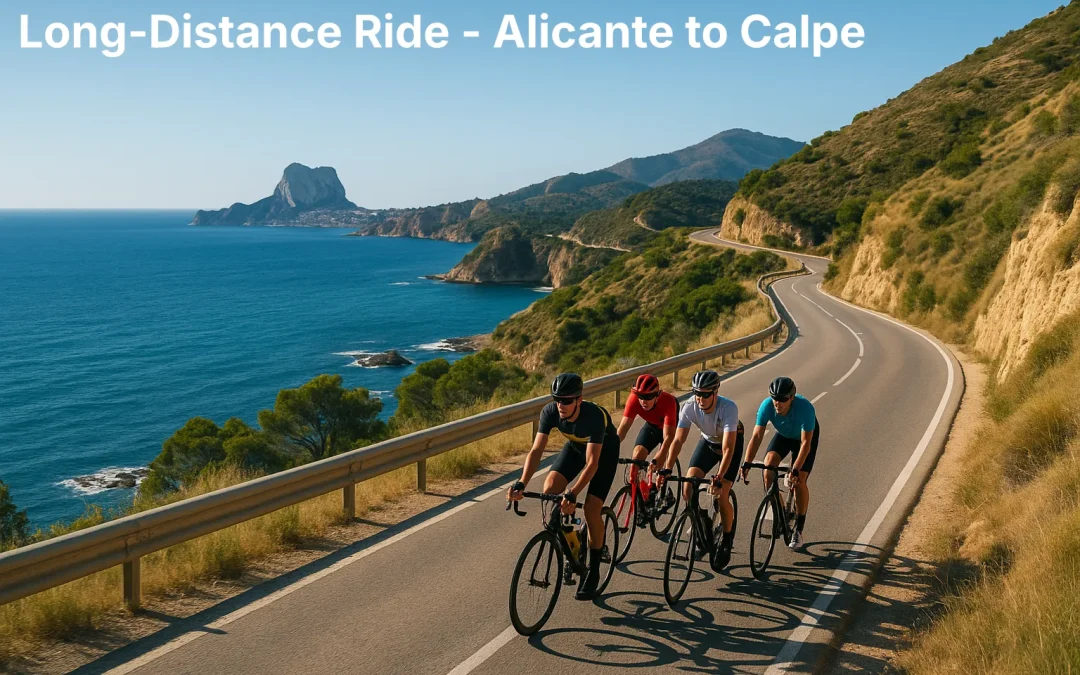
Long-Distance Ride: Alicante to Calpe
Outline
Key Takeaways
- Overview of why Costa Blanca is Europe’s cycling hotspot
- Essential route information for Alicante to Calpe rides
Why Costa Blanca Beats Other European Cycling Destinations
- Climate advantages and year-round riding conditions
- Professional cyclist training grounds
- Infrastructure built for cyclists
The Classic Alicante to Calpe Coastal Route
- Detailed route breakdown with distances
- Key towns and stops along the way
- Elevation profiles and difficulty ratings
Mountain Passes You’ll Conquer Between Alicante and Calpe
- Coll de Rates climb details
- Puerto de Tudons challenge
- Port de Confrides ascent
The 137km Puerto de Tudons Epic Loop
- Starting from Calpe through Finestrat
- Sella and Castell de Castells sections
- Return descent via Benigembla
Alternative Routes: The Vall de Laguar Adventure
- 104km route specifics
- Cherry blossom season timing
- Technical sections between km 20-40
Essential Stops and Refueling Points
- Water fountain locations
- Cyclist-friendly cafes
- Bike repair shops along routes
Training Tips from Local Pros
- Best months for riding
- Pacing strategies for long climbs
- Recovery techniques
Frequently Asked Questions
Key Takeaways
| Feature | Details |
|---|
| Distance | 60-137km depending on route choice |
| Elevation Gain | 1,500-2,500m typical |
| Best Months | October-May (avoiding summer heat) |
| Difficulty | Intermediate to Advanced |
| Must-Do Climbs | Coll de Rates, Puerto de Tudons |
| Pro Training Season | January-April |
Why Costa Blanca Beats Other European Cycling Destinations
Ever wonder why pro cyclists flock to this corner of Spain every winter? Its not just the paella (though that helps). Costa Blanca gets about 300 days of sunshine each year – thats basically perfect riding weather when northern Europe is frozen solid.
The roads here? They’re butter smooth. Local governments actually invest in cycling infrastructure because they know riders bring serious money to the region. You’ll find dedicated bike lanes on major roads and drivers who actually respect cyclists – imagine that! Professional teams like Jumbo-Visma and UAE Team Emirates set up their winter camps here, so dont be surprised if you’re grinding up a climb and Tadej Pogačar flies past you.
What really sets this place apart from Mallorca or the Alps is the variety. You can hammer flat coastal roads in the morning, then tackle 1,000-meter climbs after lunch. The temperature rarely drops below 10°C in winter or exceeds 30°C in summer mornings. Plus, unlike touristy Mallorca, accomodation here won’t break the bank – you can find decent cyclist-friendly hotels for 50-70 euros a night.
The Classic Alicante to Calpe Coastal Route
Starting from Alicante’s marina, the most direct coastal route to Calpe stretches about 62 kilometers. But who wants direct when you can have spectacular? The smart move is taking the N-332 coastal road through El Campello and Villajoyosa to Relleu route for some inland variety.
First 20km out of Alicante are pancake flat – perfect for warming up those legs. You’ll roll through San Juan beach (grab a cortado at Café Racer if you need caffeine) then hit El Campello where the road starts getting interesting. The stretch between Villajoyosa and Benidorm throws in some punchy little climbs – nothing huge, maybe 3-4% gradients, but enough to wake up your legs.
Benidorm marks the halfway point. Yeah, its touristy as hell, but the cycling infrastructure here is top-notch. Wide bike lanes, plenty of water fountains, and if you need any bike repair services in Costa Blanca, there’s at least five shops within a kilometer of the main strip. From Benidorm to Altea, you’ve got two choices: stick to the coast (easier, more traffic) or take the CV-755 inland road (harder, way prettier).
The final push from Altea to Calpe is where things get spicy. That innocent-looking bump on your GPS? That’s the Puerto de Calpe – only 2km but it kicks up to 8% in places. Your reward? Rolling into Calpe with the massive Peñón de Ifach rock formation welcoming you like a giant limestone high-five.
Mountain Passes You’ll Conquer Between Alicante and Calpe
Lets talk about the climbs that make grown cyclists cry (in a good way). Coll de Rates is the superstar here – 6.3km of perfectly graded switchbacks averaging 5.8%. The locals call it “El Rates” and if you can do it in under 20 minutes, you’re flying. The road surface is pristine, and those hairpin turns? Chef’s kiss. Best part – there’s a restaurant at the top where they make killer bocadillos.
Puerto de Tudons is the beast everyone respects. Starting from sea level near Benidorm’s bike rental shops, you’ll climb for 20 straight kilometers. The gradient never gets stupid steep – hovering around 5% – but the sheer length will test your mental game. Pro tip: theres a water fountain at km 12 near the Confrides turn-off. Use it.
Port de Confrides might be the “easiest” of the big three at 7.5km and 5% average, but don’t let that fool you. The middle section has some sneaky 9% ramps that’ll have you searching for gears you dont have. What makes this climb special is the views – on clear days you can see all the way to Ibiza. The descent back toward Benidorm? Absolute rocket ship territory – I’ve hit 75km/h without even trying (please be careful though).
Then there’s the lesser-known Port de Sa Creueta from Tárbena. Only locals and cycling nerds know about this one. It’s quieter than a library, the road’s narrow but perfect, and you might see more goats than cars. At 7.5km with a mellow 3.4% average, its perfect for recovery days when you still want to bag a climb.
The 137km Puerto de Tudons Epic Loop
This route is what separates tourists from serious cyclists. Starting in Calpe’s cycling hub, you head south through Altea and Benidorm before the real fun begins. The first 30km are basically a warm-up – coastal roads, maybe a headwind if you’re unlucky, nothing too taxing.
Once you pass Benidorm and hit Finestrat, the landscape changes completely. Suddenly you’re surrounded by orange groves and almond trees, and that big mountain ahead? Yeah, you’re going up that. The climb through Finestrat to Sella is where you earn your pasta later. Its not just the gradient (averaging 6% for 8km) – its the way the road snakes through these ancient terraced hillsides that haven’t changed in centuries.
Sella to Castell de Castells is the route’s hidden gem. This 25km section rolls through proper Spanish countryside – the kind where old guys still ride donkeys and time forgot to show up. The road surface can be sketchy in places (watch for gravel in corners), but the lack of traffic makes up for it. There’s a bar in Castell de Castells that does the best tortilla española you’ll ever taste – seriously, its worth the climb just for that.
The return leg via Benigembla and Parcent is fast. Like, scary fast if you’re not careful. From Castell de Castells, you drop 600 meters in about 15km. The corners are well-marked but respect them – I’ve seen too many riders overcook that left-hander after the Benigembla church. Once you hit the valley floor near Jalón, its a gradual false flat back to Calpe. Total time? Budget 5-6 hours if you’re reasonably fit, longer if you stop for photos (and you will).
Alternative Routes: The Vall de Laguar Adventure
Want something different? The Vall de Laguar loop from Calpe is 104km of pure eye candy. This isnt about setting Strava records – its about riding through landscapes that look like someone cranked the saturation slider to maximum.
The route kicks off mellow enough, following the Jalón Valley scenic loop before things get serious. Between kilometer 20 and 40, you’re basically climbing non-stop from 200m to nearly 1,000m elevation. The road through Vall de Laguar itself is engineering porn – switchback after switchback carved into vertical canyon walls. In February and March, the whole valley explodes with cherry blossoms. Its so stupidly beautiful that you’ll forget your legs are screaming.
The technical crux comes around km 35 near Fleix. The road narrows to barely a car width, the gradient hits 12% for a few hundred meters, and there’s usually a headwind just to keep things interesting. But then you pop out on top of the ridge and BAM – Mediterranean views that make Instagram influencers weep with envy.
After conquering the valley, you still got Coll de Rates to deal with on the way back. By this point your legs are cooked, but approaching Rates from the Parcent side is actually easier than the classic Calpe approach. The descent back to Calpe via Jalón is fast and flowing – perfect for spinning out those tired legs. Pack extra food for this one – there’s limited resupply options in the valley villages.
Essential Stops and Refueling Points
Knowing where to refuel can make or break your ride. In Altea, Café Cycling (yes, thats really its name) on the main strip has become the unofficial cyclist HQ. They do proper coffee, have bike racks, and the owner – an ex-pro from Belgium – gives solid route advice.
The Petrol station at La Nucía (junction of CV-70 and CV-758) is clutch for long rides. They’ve got cold drinks, energy bars, and crucially, clean toilets. The attendant there has seen enough cyclists that he keeps extra water bottles in the fridge during summer. Between Sella and Relleu, there’s a natural spring fountain that locals have used for centuries – the water’s cold and tastes better than anything from a bottle.
For proper food, time your ride to hit Polop around lunchtime. Bar La Plaza does a menu del día for 12 euros that’ll properly refuel you – we’re talking proper Spanish portions here. If you’re doing the mountain routes, the restaurant at Coll de Rates summit is open most days and their tortilla sandwich has achieved legendary status among local cyclists. They also let you fill bottles for free, even if you dont buy anything.
Emergency bike repair spots along these routes include Bikes Benidorm (open 7 days), Ciclos Guerola in Altea (closed Sundays), and Natural Bikes in Calpe. Most carry basic spares and can handle common repairs while you wait.
Training Tips from Local Pros
I’ve learned tons from riding with local racers and watching how the pros train here in January. First thing – forget about going hard every day. The Spanish riders here have a saying: “piano, piano” (slowly, slowly). They’ll ride at conversation pace for hours, only going hard on specific climbs.
Pacing these long mountain routes is an art. The local trick? Never go above 80% effort on any climb that’s longer than 10 minutes. Save the heroics for the short, punchy stuff. On something like Puerto de Tudons, find a rhythm you could hold for an hour and stick to it. The amount of riders I’ve seen blow up at kilometer 15 because they went too hard at the bottom…
Hydration here is different than northern Europe. Even in winter, you’ll sweat buckets on these climbs. The rule of thumb? One 750ml bottle per hour minimum, two in summer. Add electrolytes – the Spanish sun will suck the salt right out of you. Those little salt tablets from the farmacia work great and cost pennies.
Recovery is huge when you’re doing back-to-back long rides. The Spanish have this figured out: big lunch, proper siesta, easy spin in the evening. Try doing a coastal recovery ride from Calpe to Denia the day after a big mountain loop. Flat roads, sea breeze, coffee stops – perfect active recovery. And don’t underestimate the recovery power of paella and a cold beer. The rice gives you carbs, the seafood has protein, and the beer… well, you earned it didn’t you?
Frequently Asked Questions
What’s the best time of year to cycle from Alicante to Calpe? October through May offers the best conditions. Summer (July-August) gets properly hot with temperatures hitting 35°C+ by midday. Spring (March-May) is perfect – warm but not hot, and everything’s green from winter rains.
Do I need a road bike or will a hybrid work? You really want a road bike for these routes. The climbs are long and a heavy hybrid will make them miserable. Most bike rental shops offer carbon road bikes from around 40-50 euros per day.
How fit do I need to be for these routes? For the direct coastal route, moderate fitness is fine. For the mountain loops, you should be comfortable riding 100km with 2,000m of climbing. If you can ride for 4-5 hours at home, you’ll manage here.
Is it safe to cycle alone in Costa Blanca? Generally very safe. Drivers are used to cyclists, crime is low, and there’s good mobile coverage almost everywhere. Still, tell someone your route and carry basic repair kit. Check out these safety tips for solo touring.
Where should I base myself for cycling in this area? Calpe is the traditional choice – central location, tons of bike shops, cyclist-friendly hotels. Altea works great too and is slightly less touristy. Benidorm has the most amenities but can be crowded.
Can I join group rides with locals? Absolutely! Most bike shops organize group rides. In Calpe, check out the Saturday morning ride from Ciclos Boluda – mixed abilities, super welcoming. Just rock up around 8:30am.
by Ralf Tenbrink | 2, Sep 2025 | Costa Blanca News, Latest News
Top Bike Rental Shops in Benidorm: Your Complete Guide
Key Takeaways
- Benidorm has seven established bike rental operators covering road, mountain, hybrid and e-bike needs, from budget city bikes to top-spec carbon.
- Prices range roughly from €10 for a few hours on a Baja Bikes hybrid up to premium carbon road bikes at €30–45 a day from Alfas Bike Hire or Blanca Bikes.
- Alfas Bike Hire offers free delivery across a wide area; Blanca Bikes, CCT Bike Rental and others charge for delivery or require pickup from a fixed location.
- Book several days ahead in spring (March–May) and autumn (September–November), the busiest cycling seasons, especially for premium carbon bikes.
- Always check both brakes, run through the gears, and check tyre condition before accepting a rental bike.
Outline
- Why Benidorm is a Cycling Paradise
- Benidorm Cycle Hire: Personal Service from a Long-Standing Local Operator
- Blanca Bikes: Cervélo Carbon Bikes Across Seven Costa Blanca Towns
- Alfas Bike Hire: New RIBBLE Carbon Bikes with Free Delivery
- Marco Polo Expeditions: Diverse Bike Options for All Riders
- Baja Bikes: Budget-Friendly Cruising for Casual Riders
- ListNRide: Peer-to-Peer Mountain Bike Specialists
- CCT Bike Rental: Mountain and Road Variety, Delivered to You
- Comparing Benidorm’s Top Bike Rental Shops
- Tips for Renting Bikes in Benidorm
Why Benidorm is a Cycling Paradise
Benidorm sits where the Costa Blanca’s mountains meet the Mediterranean, which is the practical reason it works so well as a cycling base: a flat, easy spin along the seafront and a genuine mountain stage are both available without a long drive to the start.
The climate helps too. The Costa Blanca gets over 300 days of sunshine a year, and Alicante province specifically sees more than 320, according to visitcostablanca.es’s own climate guide, with average winter daytime temperatures of 12–18°C. That mild winter window is a big part of why the region draws visiting cyclists outside the peak summer months, not just during them.
The roads themselves are a mix of flat coastal routes and proper climbs a short ride inland. Coll de Rates, one of the region’s best-known ascents, is roughly 6.4km at an average 5.4% gradient from the Parcent side with 347m of climbing, per The Ride Atlas, reachable from Benidorm without needing to drive to the base first.
If you’re not bringing your own bike, Benidorm has a genuinely wide choice of rental shops. Here’s what each one actually offers.
Benidorm Cycle Hire: Personal Service from a Long-Standing Local Operator
Benidorm Cycle Hire is run by Ian, a name that comes up repeatedly and consistently across independent public reviews rather than just the business’s own marketing. On TripAdvisor, the business holds a 4.8 out of 5 rating across 15 reviews, ranked among the area’s better-regarded outdoor activity providers, with reviewers specifically praising Ian’s habit of delivering bikes personally to guests’ accommodation and offering route advice suited to their fitness level.
The fleet mixes carbon and aluminium road bikes from several brands, with reviewers mentioning Ridley, Bianchi and Cannondale machines; one reviewer noted receiving a different model than expected on one occasion, so it’s worth confirming the exact bike and spec at booking rather than assuming a specific model. No official price list is published, and reviews don’t agree closely enough on a figure to quote one reliably here. Confirm current rates directly when booking.
The delivery-and-collection model, rather than a fixed shop counter, is the main thing that distinguishes this operator from the others on this list: you deal with one person for the whole rental, not shop staff.
Blanca Bikes: Cervélo Carbon Bikes Across Seven Costa Blanca Towns
Blanca Bikes rents exclusively Cervélo carbon road bikes, spanning the Caledonia and Soloist ranges (12-speed electronic and Pro-upgrade versions), the Rouvida e-bike, and the range-topping S5 with SRAM Red groupset for riders who want a genuinely race-spec machine.
Pricing runs from around €32 a day based on a 3-day hire for the entry Caledonia/Soloist models, up to significantly more for the Pro-upgrade and S5 tiers, per the company’s own published rates. Bikes can be collected and returned at seven Costa Blanca locations: Denia, Calpe North, Calpe South, Altea, Benidorm, Parcent, and Jávea, which makes Blanca Bikes a sensible option if your trip covers more than one town. Delivery isn’t offered as standard for individual rentals; the company notes it can arrange collection within 50km of Calpe for group orders over €1,500, so this is really a pickup-based service for most renters rather than a delivery one.
Alfas Bike Hire: New RIBBLE Carbon Bikes with Free Delivery
Alfas Bike Hire runs a 2025 fleet of RIBBLE Full Carbon Road Pro Di2 bikes, plus Basso models for riders wanting a slightly different geometry. Keeping the fleet genuinely current, rather than running older bikes into the ground, is the shop’s clearest point of difference from some competitors.
The business is run by Michael, whose local knowledge and route recommendations are consistently mentioned in customer reviews, alongside the company’s own “Your hobby is our business” positioning. Delivery and collection are free across a wide list of towns, including Albir, Alfàs del Pi, Altea, Benidorm, Calpe, Finestrat, La Nucia, Moraira, Polop and Villajoyosa, which is a genuinely broad radius for a no-charge service. No fixed price list is published on the site; one independent review describes the shop as the cheapest of several compared locally, though that’s a single reviewer’s comparison rather than a verified current rate.
Marco Polo Expeditions: Diverse Bike Options for All Riders
Marco Polo Expeditions covers a wider range of rider types than most operators on this list: city bikes for the promenade, mountain bikes, road bikes, e-bikes and e-MTBs, all from one operator working across Benidorm, Altea and the wider Costa Blanca.
Rentals are available by the hour, the day, or across multiple days, which suits groups with mixed plans better than a shop offering only daily minimums. Booking runs through WhatsApp and the business’s social channels rather than an online reservation system, and no fixed pricing is published, so confirming cost and availability means contacting them directly rather than checking a rate card in advance.
Baja Bikes: Budget-Friendly Cruising for Casual Riders
Not every cyclist visiting Benidorm wants a premium carbon frame, and that’s the gap Baja Bikes fills. Their published rates: €10 for 4 hours, €14 for 8 hours, €18 for 24 hours, €28 for 2 days, €38 for 3 days, €48 for 4 days, €56 for 5 days, €60 for 6 days, and €65 for a full week: a straightforward, low-cost scale for a relaxed ride rather than a training session.
The fleet is standard city and hybrid bikes, with optional upgrades to mountain bikes or e-bikes at extra cost, plus children’s bikes for ages 6–9 and child seats for passengers up to 22kg. Pickup is at Avenida de Europa 11 in central Benidorm. A deposit applies: €20–50 for standard bikes depending on rental length, €50–100+ for e-bikes, with damage/theft liability capped at €250 for standard bikes and €850 for e-bikes. Helmet and lock are included with the bike.
ListNRide: Peer-to-Peer Mountain Bike Specialists
ListNRide works differently from a traditional shop: it’s a peer-to-peer marketplace connecting individual bike owners across the Costa Blanca with renters, rather than one company’s own fleet. That means the specific bikes available, and their condition, vary by individual listing rather than a single standardised fleet. It’s worth checking photos and any reviews on the specific bike you’re considering, not just the platform generally.
Every rental includes theft and damage insurance through LAKA at no extra cost within the EEA, which covers Spain, and cancellations more than 72 hours before the rental get a full refund. Pickup or delivery depends on the individual bike owner’s arrangement rather than a fixed company policy, so it’s worth confirming logistics directly with the owner before booking. Pricing similarly varies per listing rather than following a fixed rate card.
CCT Bike Rental: Mountain and Road Variety, Delivered to You
CCT Bike Rental doesn’t have a shopfront in Benidorm; it runs a delivery-only operation covering the wider region, which lets it carry a bigger range than a single small local shop typically stocks.
The current fleet is built mostly around Ridley: on the road and gravel side, the Falcon RS Disc Di2, Fenix SL Disc, Fenix SLiC Disc Di2, Helium SLX Disc, Noah Fast Disc, Kanzo Disc and Griffin Disc; on the mountain bike side, the Ignite SLX hardtail and the Raft X-Trail full-suspension, plus a Propain Enduro Fully e-MTB; and on the e-bike side, the Kanzo Electric and City E-Bike. A Canyon Roadlite AL 6.0 covers the trekking/hybrid category.
Rentals require at least 3 days’ advance booking and a 4-day minimum hire. Delivery costs €45 to the Benidorm area, rising to €80 for Alicante, El Campello or Villajoyosa. Rentals include a saddle bag, spare tube, 2 tyre levers, a pump and 2 bottle cages; a helmet costs an extra €3 a day. If you want to mix road riding with a day or two off-road, this is one of the few operators here whose range genuinely covers both from a single delivery.
Comparing Benidorm’s Top Bike Rental Shops
With seven operators to choose from, the right one depends mostly on what you’re riding and how you want to receive the bike.
| Shop Name | Speciality | Price Range | Delivery | Bike Types | Best For |
|---|
| Benidorm Cycle Hire | Personal-service road hire | Not published, confirm direct | Yes, personally by the owner | Road (mixed brands) | Riders who want one point of contact throughout |
| Blanca Bikes | Cervélo carbon road bikes | From ~€32/day (3-day hire) | Group orders over €1,500 only | Road, e-bike | Multi-town trips, serious road cyclists |
| Alfas Bike Hire | New RIBBLE carbon | Not published | Free, wide area | Road (carbon) | Riders wanting the newest bikes |
| Marco Polo Expeditions | Variety | Not published, contact via WhatsApp | Not specified | City, MTB, road, e-bike, e-MTB | Mixed groups, flexible hourly/daily rental |
| Baja Bikes | Budget city & hybrid | €10–65 (4hrs–week) | No (pickup only) | City, hybrid, optional MTB/e-bike upgrade | Budget-conscious, casual riders, families |
| ListNRide | Peer-to-peer marketplace | Varies by individual listing | Varies by owner | MTB, road, varies | Riders wanting a specific bike/brand match |
| CCT Bike Rental | Ridley road, gravel & MTB, delivered | Mid-range + €45–80 delivery | Yes (fee, 4-day minimum) | Ridley road/gravel/MTB, Canyon hybrid | Riders wanting to mix road and trail |
If you’re a serious road cyclist chasing the area’s climbs, Blanca Bikes or Alfas Bike Hire put you on a genuine carbon race bike. If budget matters more than spec, Baja Bikes keeps costs predictable and low. For mixed groups or families, Marco Polo’s range across five bike categories covers the most ground from one operator. If you want the flexibility to switch between road and trail on the same trip, CCT’s delivery-only model with its wide fleet is worth the delivery fee.
Booking ahead matters most in spring (March–May) and autumn (September–November), when cycling clubs and sportive riders visit in numbers and the better bikes get reserved early. Most of these operators take bookings online or via WhatsApp well in advance of arrival.
Tips for Renting Bikes in Benidorm
Book well ahead if you’re visiting during spring or autumn, when demand for road bikes specifically is highest. Premium carbon bikes from Blanca Bikes or Alfas Bike Hire are the models most likely to be reserved out first.
If you’re a serious cyclist, bring your own pedals and shoes. Most shops can fit your pedals to their bikes, which gives you your usual contact points on a rental frame rather than adjusting to whatever’s fitted.
Before accepting any rental bike, run through a quick check: spin both wheels for rubbing or wobble, test the brakes, shift through every gear, check tyre pressure and condition, and confirm the saddle and handlebars are secure. This takes two minutes and catches the problems that would otherwise show up mid-ride.
Ask about insurance or damage-waiver options where they’re offered (Baja Bikes and CCT Bike Rental both specify deposit and liability terms upfront, for example). It adds a small amount to the cost but limits your exposure if something goes wrong on a descent.
Ask your rental shop for route recommendations when you collect the bike. Staff and owners who work the area daily generally know which roads to avoid for traffic or roadworks, and can point you toward routes suited to your fitness level.
If you’re staying several days, ask what happens if you have a mechanical issue mid-rental: a call-out, a swap, or a walk-in repair. Policies vary by operator, and it’s worth knowing before you need it rather than after.
Finally, check the return logistics against your flight time. If you have an early departure, ask whether evening drop-off or early morning collection is possible, so it isn’t a last-minute scramble.
Frequently Asked Questions
How much does it cost to rent a bike in Benidorm? Prices vary widely by bike type and operator. Baja Bikes’ city and hybrid bikes run from €10 (4 hours) to €65 (a week). Premium carbon road bikes from Blanca Bikes start around €32 a day on a 3-day hire, with Alfas Bike Hire, Benidorm Cycle Hire, Marco Polo and ListNRide not publishing fixed rates. Confirm current pricing directly with each operator.
Do I need to bring my own helmet? Baja Bikes includes a helmet with its rentals; CCT Bike Rental charges €3 a day extra for one. Spanish law requires helmet use outside urban areas, so if you’re particular about fit, bringing your own is worth considering regardless of what a specific shop includes.
Can I get a bike delivered to my hotel? It depends on the operator. Alfas Bike Hire offers free delivery across a wide area. CCT Bike Rental delivers for a fee (€45–80 depending on location) with a 4-day minimum rental. Benidorm Cycle Hire’s owner delivers personally. Blanca Bikes only arranges delivery for group orders over €1,500 near Calpe; for individual rentals, it’s pickup from one of its seven town locations. Baja Bikes and Marco Polo are pickup-based.
What type of bike is best for cycling in Benidorm? This depends on your planned routes. For climbs like Coll de Rates, a road bike from Blanca Bikes, Alfas Bike Hire or Benidorm Cycle Hire is the better fit. For the flat coastal promenade, a hybrid or city bike from Baja Bikes is comfortable and sufficient. For off-road trails, ListNRide or CCT Bike Rental’s mountain bike options cover that properly.
When is the best time to cycle in Benidorm? Spring (March–May) and autumn (September–November) offer the most reliable conditions and the least tourist traffic. Summer (June–August) can be very hot, so an early start is worth planning around. Winter (December–February) is mild, with average daytime temperatures of 12–18°C, and often sunny, per the region’s own climate data.
Do I need to be an experienced cyclist to enjoy biking in Benidorm? No. The flat coastal paths and promenade suit beginners, while the inland climbs give experienced riders a genuine challenge. Most operators can suggest routes matched to your fitness and experience level when you collect the bike.
by Ralf Tenbrink | 21, Aug 2025 | Costa Blanca News, Latest News, Road Cycling Routes in Costa Blanca
Mountain Biking Trails in Costa Blanca – Finestrat Forest Trail
Key Takeaways
- Finestrat Forest Trail offers challenging mountain biking with stunning Mediterranean views
- Located just 8 minutes from Benidorm, making it easily accessible for tourists
- The Puig Campana trail network features a 14.9-mile technical loop with 1000m elevation gain
- Trails range from intermediate forest paths to expert-level technical sections
- Best riding seasons are spring (March-May) and fall (September-November)
- Font del Molí serves as the main trailhead with water and information available
- Connected to broader trail networks allowing for multi-day adventures
Outline
- Introduction to Finestrat’s Mountain Biking Scene
- The Puig Campana Trail System
- Trail Features and Technical Challenges
- Best Seasons and Weather Considerations
- Getting to Finestrat and Trailhead Access
- Essential Gear for Finestrat Mountain Biking
- Connecting Trails and Extended Adventures
- Local Support Services and Bike Rentals
Introduction to Finestrat’s Mountain Biking Scene
Have you ever dreamed of riding your mountain bike with the Mediterranean Sea sparkling in the distance? That’s exactly what you get at Finestrat Forest Trail. This amazing place sits right next to Costa Blanca’s biggest mountain, Puig Campana, and it’s got some of the best dirt trails in all of Spain.

What makes Finestrat so special? Well, it’s got this perfect mix of tough climbs, fun downhills, and views that’ll make you stop and stare (even when your legs are burning). The trails here wind through pine forests, rocky sections, and open ridges where you can see for miles. And the best part? It’s only 8 minutes from Benidorm, so you can hit the trails in the morning and be relaxing on the beach by afternoon.
I’ve been riding these trails for over 10 years, and they still surprise me every time. Last month, I took a group of riders from the UK here, and they couldn’t believe how quickly the landscape changes – one minute you’re in a dense forest, the next you’re on an exposed ridge looking at the sea. One guy said to me, “This is nuthin like the trails back home!” And he was right – there’s something special about the combination of Mediterranean climate, mountain terrain, and sea views that makes mountain biking in Costa Blanca a truly unique experience.
The Puig Campana Trail System
The star of the show in Finestrat is definitely the Puig Campana trail network. This mountain isn’t just big – it’s the highest peak in Costa Blanca, and the trails around it are legendary among mountain bikers who know Spain well.
The main loop around Puig Campana (marked as PR-CV 289) is about 14.9 miles long and will test everything you’ve got as a rider. It’s not just the distance that’s challenging – it’s the way the trail throws different surfaces and obstacles at you. You’ll ride over smooth dirt, loose rocks, tight switchbacks, and some sections where you might need to hop off and push (no shame in that, even the pros do it here).
One section that always gets riders talking is the climb from the valley floor up towards the mountain. You’ll gain about 1000 meters of elevation over just 3.5 kilometers. That’s steep! But the views from the top make every drop of sweat worth it. On clear days, you can see all the way to Benidorm’s skyscrapers and beyond to the blue Mediterranean.
“The first time I rode this trail, I thought my lungs were gonna explode,” says Miguel, a local guide who’s been riding here since he was a kid. “But now I know to pace myself and enjoy the journey. The reward at the top is always worth it.”
Most riders take between 3-5 hours to complete the full loop, depending on how many photo stops they make (and trust me, you’ll want to make a few). If your looking for a shorter option, there are several points where you can cut the route short and head back to Finestrat village for a well-deserved cold drink at one of the local cafes.
Trail Features and Technical Challenges
What makes the Finestrat trails so fun to ride? It’s all about variety. These trails aren’t just one thing – they change character as you ride, keeping things interesting mile after mile.
In the dense pine forests, you’ll find smooth, flowy singletrack that weaves between trees. The forest floor is covered with pine needles, which can be a bit slippery when dry (weird, right?). I learned this the hard way on my first ride here, taking a corner too fast and ending up with a tree hug that wasn’t in my plans!
Then there’s the rocky technical sections that’ll test your bike handling skills. These parts have names among local riders – “The Staircase,” “Rock Garden,” and my personal favorite, “The Dentist” (because if you don’t pick the right line, you might need one after). These sections aren’t super long, but they demand your full attention.
The ridgeline sections, especially along the Castellets crest, are where the magic happens. The trail narrows, with exposure on both sides, and the views open up dramatically. The riding here isn’t technically difficult, but the exposure can mess with your head if you’re not used to it. Keep your eyes on the trail, not the drop!
Here’s a quick breakdown of what you’ll face on different parts of the trail:
| Trail Section | Technical Difficulty | Features | Views |
|---|
| Forest Paths | Moderate | Smooth singletrack, some roots | Limited |
| Rocky Climbs | Hard | Loose rocks, steep pitches | Good |
| Ridge Sections | Moderate-Hard | Narrow trail, exposure | Spectacular |
| Descents | Hard | Switchbacks, loose surface | Limited |
The area around Font del Molí is where many riders start their adventure. This natural spring has 15 spouts where you can fill your water bottles with pure mountain water – a real treat on hot days. There’s also a small Tourist Information center here where you can grab a map and ask about current trail conditions.
“I always tell new riders to these trails to ride within their limits,” says Ana, who runs mountain bike tours in the area. “The trails aren’t going anywhere – if something looks too scary today, you can always come back and try it tomorrow.”
Best Seasons and Weather Considerations
When should you plan your mountain biking trip to Finestrat? The good news is that Costa Blanca has one of the best climates in Europe, with over 300 sunny days per year. But that doesn’t mean all seasons are equal for riding these trails.
Summer (June-August) can be brutally hot, with temperatures regularly hitting 30-35°C (86-95°F). The trails are exposed in many sections, and the sun beats down mercilessly. If you do ride in summer, start super early (like 6am early) and be finished before noon. And bring way more water than you think you’ll need – I recommend at least 3 liters for the full Puig Campana loop in summer.
Spring (March-May) and fall (September-November) are the golden seasons for riding in Finestrat. Temperatures are perfect – around 18-25°C (64-77°F) – and the trails are usually in great condition. Spring has the added bonus of wildflowers covering the mountainsides, while fall offers slightly more stable weather patterns.
Winter riding here is actually amazing on clear days. From December to February, daytime temperatures typically range from 12-18°C (54-64°F) – perfect for climbing without overheating. The biggest risk in winter is rain, which can make some sections of trail dangerously slippery and cause flash floods in dry riverbeds (barrancos).
I’ve put together this little seasonal guide based on my years riding here:
- Spring (March-May): ★★★★★ Perfect temperatures, wildflowers, occasional rain
- Summer (June-August): ★★ Very hot, dry and dusty trails, early morning riding only
- Fall (September-November): ★★★★★ Ideal conditions, stable weather, some rain late in season
- Winter (December-February): ★★★★ Cool temperatures great for climbing, watch for rain
“The thing about Finestrat’s weather is how quickly it can change,” warns Carlos, who’s lived in the village his whole life. “I’ve seen blue skies turn to thunderstorms in 30 minutes. Always check the forecast before heading out, especially in spring and fall.”
Getting to Finestrat and Trailhead Access
One of the best things about the Finestrat Forest Trail is how easy it is to get to. The village sits just 50 kilometers from Alicante-Elche Airport, which has flights from all over Europe. If your flying in with your bike, most airlines will charge extra for bike transport, so check the fees before booking.
From the airport, you’ve got a few options. Renting a car gives you the most flexibility and is probably the easiest way to get to the trailheads with all your gear. The drive takes about 45 minutes via the AP-7 motorway (take exit 65-A). If you don’t want to rent a car, there are shuttle services that cater specifically to cyclists, though these need to be booked in advance.
Once you’re in Finestrat, finding the trailheads is pretty straightforward. The main starting point for most rides is Font del Molí, which is well signposted from the village center. There’s a small parking area here that can get busy on weekends, so arriving early is a good idea. If you’re staying in Benidorm, you can actually ride to the trailhead – it’s about 8km with some climbing, which makes for a good warm-up.
The trails themselves are marked with colored blazes painted on rocks and trees. The main Puig Campana circuit follows the PR-CV 289 markers (white and yellow stripes). Other connecting trails have their own markings, and it’s worth taking a photo of the main trail map at Font del Molí before setting off.
I remember my first time trying to find these trails about 10 years ago – before good GPS and smartphones were common. I got so lost that I ended up in a completely different village! Now with apps like Trailforks and Komoot, navigation is much easier, but it’s still smart to download the maps before you go since mobile coverage can be spotty in some areas.
Bike rentals in Costa Blanca are available if you don’t want to bring your own bike. Several shops in Benidorm and even in Finestrat village offer quality mountain bikes for rent. Prices typically range from €30-50 per day, with discounts for multiple days. Reserve in advance during busy periods (especially spring and fall weekends).
Essential Gear for Finestrat Mountain Biking
What should you bring for a day on the Finestrat Forest Trail? The rocky terrain and variable conditions mean you need to be prepared. I’ve seen too many riders have their day ruined by a simple flat tire or not bringing enough water.
First, let’s talk about the bike. A full-suspension mountain bike with at least 120mm of travel is ideal for these trails. The rocky sections will beat you up on a hardtail, though it’s definitely doable if that’s what you have. Tires are super important here – the terrain is rocky and can be loose, so something with good sidewall protection and a grippy compound makes a big difference. I run 2.4″ tires with reinforced sidewalls after getting three flats in one ride a few years back!
Here’s my must-bring list for a day on these trails:
- Water: At least 2-3 liters depending on temperature
- Food: Energy bars, fruit, sandwich – enough for 4-5 hours
- Spares: Tube, multi-tool, pump, tire plugs, quick link
- First aid kit: Basic supplies for cuts and scrapes
- Navigation: Phone with downloaded maps or GPS device
- Sun protection: Sunscreen, sunglasses, cap under helmet
- Light jacket: Weather can change quickly in mountains
- Cash: For that post-ride coffee or beer in the village
Protection is something to think about too. The trails have lots of sharp rocks, and crashes happen. At minimum, I recommend a good helmet (obviously), gloves, and knee pads. If you’re pushing your limits on the technical sections, elbow pads aren’t a bad idea either.
“I’ve guided hundreds of riders on these trails,” says Tomas, a local bike guide, “and the ones who have the best experience are those who come prepared. Nothing ruins a ride faster than being cold, hungry, or stuck with a mechanical problem you can’t fix.”
One thing that surprises visitors is how quickly the temperature can drop when clouds cover the sun or when you descend into shaded valleys. Even on warm days, it’s worth having a light windproof jacket stuffed in your pack. I’ve been caught out before, shivering on a descent because I didn’t bring an extra layer – not fun!
Connecting Trails and Extended Adventures
The beauty of the Finestrat Forest Trail system is that it doesn’t exist in isolation. These trails connect to a broader network that spans much of Costa Blanca’s mountainous interior, creating endless possibilities for riders who want to explore further.
From the main Puig Campana circuit, you can branch off onto trails that lead to neighboring villages like Polop, La Nucia, and Sella. Each of these connections opens up new loop possibilities, allowing you to create multi-day adventures or simply vary your riding from day to day.
One of my favorite extended routes links Finestrat to the Guadalest Valley. This ride takes you through some of the most spectacular scenery in the region, passing ancient olive groves, almond orchards, and traditional Spanish farmhouses. The full loop is about 45km with significant climbing, but the varied terrain and cultural points of interest make it well worth the effort.
For those seeking even bigger challenges, the trails around Sierra Aitana offer some of the most remote and rewarding mountain biking in the area. These can be accessed from Finestrat via a challenging but beautiful connecting route that takes you through the heart of Costa Blanca’s mountains.
The interconnected nature of these trails means you could easily spend a week based in Finestrat and ride different routes each day. Local mountain bikers have created some unofficial trails too, which aren’t on any maps but offer some of the most thrilling riding in the area. Making friends with locals at the trailhead or in village cafes is the best way to discover these hidden gems.
“What I love about basing myself in Finestrat is the options,” explains Emma, a British rider who visits twice a year. “If I’m feeling strong, I can tackle the big mountain routes. If I want something more relaxed, there are gentler options. And I never have to ride the same trail twice unless I want to.”
For those interested in bikepacking, the connecting trails open up possibilities for multi-day adventures where you can ride from village to village, staying in small hotels or guesthouses along the way. The Costa Blanca biking accommodation options range from basic to luxurious, with many places catering specifically to cyclists.
Local Support Services and Bike Rentals
One thing that makes Finestrat such a great base for mountain biking is the support infrastructure that’s grown up around the sport. The area has embraced cycling tourism, and there are plenty of services to make your riding experience smoother.
Several bike shops in Costa Blanca offer rental bikes suitable for the Finestrat trails. In Benidorm, you’ll find the biggest selection, with high-end full-suspension bikes available from around €40 per day. Some shops offer delivery to your accommodation, which is super convenient if you’re not renting a car.
If something goes wrong with your bike, there are good repair services in Costa Blanca. The main bike shops can handle everything from basic adjustments to major repairs. Some even offer mobile repair services that will come to your accommodation – a real lifesaver if you damage your bike and don’t have transport.
Guided tours are available if you want local knowledge and the security of riding with someone who knows the trails inside out. Prices typically start around €60 for a half-day guided ride, including bike rental. For more serious riders, custom guiding can be arranged to focus on specific types of terrain or technical skills.
I’ve used guides a few times when exploring new areas, and it’s always been worth the money. They know which trails are riding best at different times of year, can adjust the route based on your fitness and skill level, and often share fascinating information about the local area that you’d never get from a map or GPS track.
“When I first started guiding here 15 years ago, there were hardly any services for mountain bikers,” recalls Juan, who runs a local tour company. “Now we have specialized accommodation, bike-friendly cafes, shuttle services, and shops that stock all the parts you might need. It’s become a proper mountain bike destination.”
If you’re planning a longer stay, consider looking into bike holidays in Costa Blanca packages. These typically include accommodation, airport transfers, some guided riding, and sometimes even meals. They take the hassle out of organizing everything yourself and often work out cheaper than booking everything separately.
Frequently Asked Questions
How difficult are the Finestrat Forest Trails for beginners?
The main trails around Puig Campana are intermediate to advanced level. Beginners might struggle with the technical rocky sections and steep climbs. However, there are some easier forest paths near Font del Molí that are suitable for less experienced riders. Consider hiring a guide for your first visit if you’re unsure about your abilities.
When is the best time of year to ride in Finestrat?
Spring (March-May) and fall (September-November) offer the best conditions with moderate temperatures and usually dry trails. Summer can be extremely hot, making riding uncomfortable except very early in the morning. Winter riding is possible and often pleasant, but there’s a higher chance of rain.
Do I need to bring my own bike or can I rent one locally?
You can easily rent quality mountain bikes in the area. Several shops in Benidorm and Finestrat offer rentals, with prices ranging from €30-50 per day. Book in advance during busy periods. If bringing your own bike, most airlines fly to Alicante-Elche airport and accept bicycles as special luggage (for an additional fee).
Are there places to eat or refill water on the trails?
Font del Molí has fresh spring water where you can refill bottles. There are no food services on the trails themselves, so bring enough snacks and food for your ride. The village of Finestrat has several cafes and restaurants for post-ride meals.
Can I ride the trails alone or should I join a guided tour?
While the main trails are marked, the network can be confusing for first-time visitors. A guided tour is recommended for your first ride to learn the best routes and technical sections. If riding alone, always bring a map or GPS device with the routes downloaded, and let someone know your planned route and expected return time.
What kind of bike is best for the Finestrat trails?
A full-suspension mountain bike with at least 120mm of travel is ideal. The rocky terrain can be punishing on hardtails. Durable tires with good sidewall protection are important due to the sharp rocks. If renting, ask for a bike suitable for technical trail riding rather than a basic cross-country model.
Are there accommodation options in Finestrat for mountain bikers?
Yes, Finestrat has several bike-friendly accommodations ranging from apartments to small hotels. Nearby Benidorm offers more options, including some hotels that cater specifically to cyclists with secure bike storage, washing facilities, and flexible meal times. Book well in advance during peak seasons.
What should I do in case of an emergency on the trails?
Cell phone coverage is generally good but can be spotty in some valleys. The emergency number in Spain is 112. Know your location as precisely as possible – GPS coordinates are ideal. The main trails are patrolled by local forestry officials, especially on weekends, but remote sections might see very few other riders.