by Ralf Tenbrink | 9, Mar 2026 | Cyclowax
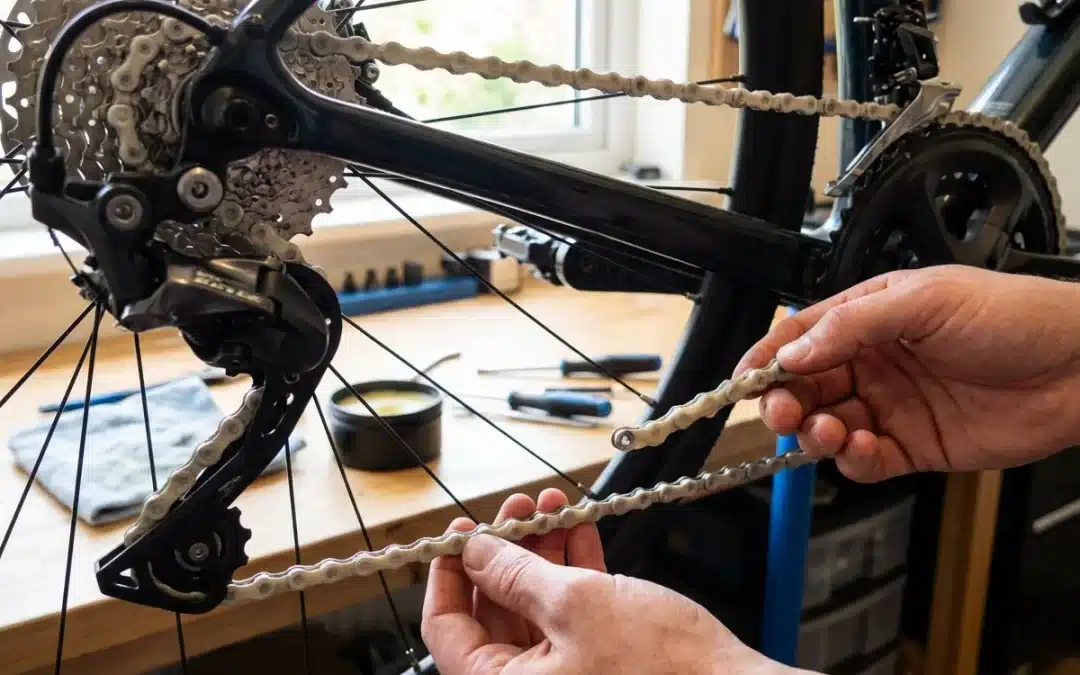
How Often Do You Really Need to Re‑Wax? A Simple Guide for Everyday Riders
If you’re new to hot‑waxed chains, one of the first questions you’ll have is: “How often do I need to re‑wax this thing?” The good news is that, for most everyday riders, re‑waxing is much less frequent than traditional cleaning and lubing.
This guide breaks it down into simple, real‑world scenarios so you can plan your maintenance without overthinking it.
Why you can’t just use a fixed number
You’ll sometimes see a rough recommendation like “re‑wax every 300–500 km” or “every 200–300 miles.” That’s a useful starting point, but not a rule written in stone.
How often you really need to re‑wax depends on:
Where you ride (dry roads vs dusty gravel vs constant rain)
How hard you ride (easy spins vs race efforts)
How often you ride each week
How well the chain was prepared and waxed in the first place
Think of the mileage range as a guideline. Your actual interval will be shorter or longer depending on your conditions.
Simple signs your chain is ready for a re‑wax
Instead of just counting kilometres, learn the signs that the wax layer is used up. You probably need to re‑wax when:
The chain feels noticeably noisier than usual
The drivetrain loses that “smooth” feeling, even though everything looks clean
The chain starts to feel dry to the touch, rather than slightly slick and waxy
Shifting gets a bit harsher, especially under load
If you ignore those signs and keep riding, you’re effectively running a dry chain. It will still be cleaner than an oily drivetrain, but wear will increase and you’ll lose the main benefits of hot wax.
Everyday scenarios: how often should you re‑wax?
Let’s turn this into real‑life examples so you can plan your next wax.
1. The weekend road rider
Typical riding: 2–3 rides per week
Distance: 120–200 km per week
Conditions: mostly dry, paved roads
In this case, a well‑prepared, properly waxed chain can often go around 300–500 km before it needs a re‑wax. That usually means:
Re‑wax approximately every 2–3 weeks in good weather
Slightly more often if you ride in the rain or on gritty roads
If your chain starts to sound dry before you reach that distance, use the sound/feel as your true signal.
2. The daily commuter
Typical riding: 5 days per week
Distance: 10–30 km per day
Conditions: mixed weather, urban dust, occasional rain
City riding can be surprisingly hard on a chain because of stop‑start pedalling, pollution, and wet roads. For commuters, a realistic pattern is:
Re‑wax every 2–4 weeks, depending on distance and weather
Shorter intervals in winter or very rainy periods
If you commute in coastal or very humid areas, check your chain more often—salt and moisture will eat through any lubrication layer faster.
3. The gravel and adventure rider
Typical riding: 1–2 longer rides per week
Distance: 60–150 km per ride
Conditions: dust, dirt, sometimes mud
Hot wax is excellent for dusty gravel because it doesn’t create a sticky film for dust to cling to. However, off‑road contamination still wears down the wax layer faster than smooth tarmac.
For gravel riders:
Plan to re‑wax roughly every big weekend or every 2–3 rides in heavy dust
If you ride in mud and wash the bike, expect to re‑wax sooner
A good habit is to gently inspect the chain after each big gravel ride: if it looks clean but feels dry and sounds “scratchy,” it’s time.
4. The performance‑oriented racer or serious enthusiast
Typical riding: 4–6 sessions per week
Distance: high mileage, intervals and races
Conditions: mostly dry, some wet race days
Performance riders typically care about every watt and are happy to maintain more often to keep friction consistently low.
For this group:
Re‑wax every 250–400 km is common
Before important races, start with a fresh re‑wax to ensure peak efficiency
You’re trading a bit more maintenance for the reassurance that you’re not leaving free speed on the table.
Weather and conditions: how they change your interval
You can use a simple mental rule:
Dry, clean roads = wax lasts longer
Dusty/gravel = wax wears faster
Heavy rain or frequent washing = wax wears fastest
If you ride in:
Dry Mediterranean conditions most of the year: you’ll likely enjoy some of the longest re‑wax intervals.
Wet, northern climates or winter: plan for shorter intervals and put more emphasis on drying the chain properly after wet rides before storing the bike.
How to keep track without obsessing
You don’t need a spreadsheet to manage re‑waxing. A light system is enough:
Note down your starting mileage when you apply fresh wax.
Add re‑waxing as a repeating reminder on your phone at a rough interval that suits your riding (for example, every 2 or 3 weeks).
Use sound and feel as your final check—if it’s noisy or rough before the reminder, re‑wax earlier.
Over time, you’ll learn your own pattern. Many riders find that after a month or two, they can almost predict when the chain will start to sound dry.
What happens if you re‑wax “too early” or “too late”?
Too early: You’ll spend a bit more time re‑waxing than necessary, but your chain will be consistently smooth and protected. No real downside.
Too late: The chain runs effectively dry. It may still look clean, but friction and wear increase, and you lose the main efficiency benefits.
If you’re unsure, it’s better to re‑wax a little earlier, especially if you have a big event or trip coming up.
A simple rule of thumb you can remember
If you only remember one thing, make it this:
Start with a guideline (for example 300–500 km), then let sound and feel tell you the truth.
For most everyday riders, that means:
Road: roughly every 2–3 weeks in normal conditions
Commuting: every 2–4 weeks, depending on distance and weather
Gravel/MTB: every 2–3 big rides in dust or mud
Racers: more often, and always before key events
Once you’ve found your own rhythm, re‑waxing becomes just another easy part of your cycling routine—like charging your lights or checking tyre pressure—only this one keeps your bike smoother, cleaner, and cheaper to run in the long term.
If you want, I can now add a short internal‑link plan and tailored calls‑to‑action for Cyclowax products at the key points in this article.
by Ralf Tenbrink | 9, Mar 2026 | Bike Rental Services in Costa Blanca, Costa Blanca News, Latest News
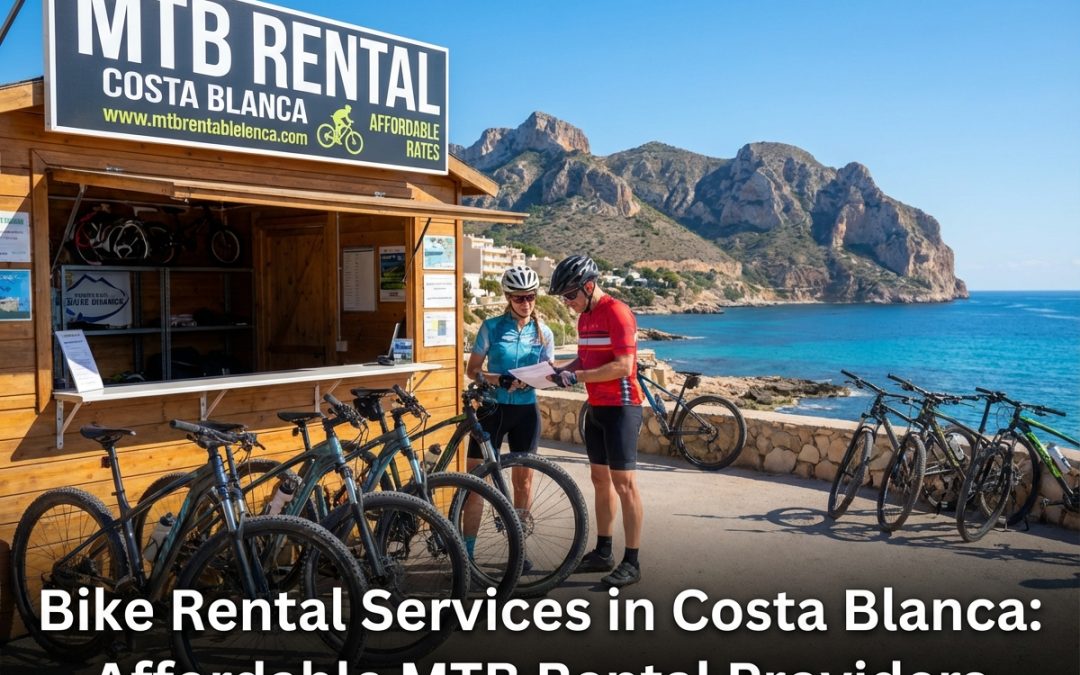
Affordable MTB Rental Providers in Costa Blanca
Key Takeaways
| Topic | Key Information |
|---|
| Cheapest option | Yumping lists hourly Calpe rentals from €5 |
| Peer-to-peer option | ListNRide connects riders with local owners and shops across the region, including an all-terrain/MTB category |
| Jávea specialists | Elite Bikes (e-MTB from €15/day) and MTB-Touren Costa Blanca (Trek and Propain hardtails, fullys and e-fullys, delivery by arrangement) |
| Guided holiday packages | Operators such as Roxybike bundle a bike into a multi-day guided holiday (from €300 for a standard MTB, €350 for an e-MTB, per package) |
| Top locations | Calpe, Jávea and the Jalón Valley have the widest range of MTB-capable operators |
| Booking tip | Book 2-3 weeks ahead in peak season (March-May, September-October); good bikes get reserved first |
Mountain biking in Costa Blanca doesn’t have to be expensive, but “affordable” here covers a genuinely mixed market: marketplace platforms with hourly rates, dedicated MTB rental shops, peer-to-peer listings, and guided holiday operators that bundle the bike into a package price. Knowing which category a provider actually falls into matters, since a few well-known local names are guided-tour or road-bike specialists rather than straightforward MTB rental shops.
Why Costa Blanca Works So Well for Mountain Biking
Costa Blanca isn’t just a beach destination. The climbs around Coll de Rates and the Sierra de Bernia give proper mountain biking terrain, while coastal paths offer flatter, easier riding for less experienced groups. The climate keeps most routes rideable year-round, which is why the region sees cyclists even in January.
Terrain varies from easy coastal paths to technical mountain routes, often within a short drive of the same base town, so a week’s trip can mix pine-forest climbs one day with coastal riding the next without long transfers between areas.
Rental and Tour Options Worth Knowing
Finding an affordable mountain bike here doesn’t mean settling for poor equipment. A few genuinely different types of operator cover the market.
Yumping — Marketplace Platform, Best for Short Rentals
Yumping’s bike rental listings include Calpe rentals from €5 for one hour, alongside dozens of other rental and tour listings across the region. Guided tours through the platform start from around €19 per person including the bike. As a marketplace rather than a single shop, pricing and availability vary by the individual listing, so it’s worth comparing a few before booking.
Lammertink Bikes — Orihuela Costa
Based in Orihuela Costa, Lammertink Bikes rents mountain bikes described on their own site as “professionally maintained… built for control, comfort and durability.” Rentals include a pump, spare tube and multi-tool. This is a solid option for the southern end of the coast, an area with fewer dedicated MTB rental shops than Calpe or Jávea.
ListNRide — Peer-to-Peer Option
ListNRide lists mountain and all-terrain bikes from individual owners and shops across Costa Blanca. Pricing and bike quality vary listing to listing, since you’re often renting directly from an owner rather than a shop, but it’s worth checking a few weeks ahead of a trip since better listings get booked first, especially in spring and autumn.
Elite Bikes — Jávea
Elite Bikes in Jávea rents electric mountain bikes from €15 per day, alongside city and electric city bikes. A straightforward option if you want an e-MTB based in the town itself rather than delivered.
MTB-Touren Costa Blanca — Jávea and the Marina Alta
MTB-Touren Costa Blanca is based in Jávea and covers Jávea, Benitachell, Jesús Pobre, Gata de Gorgos, Dénia and Moraira. Their fleet runs Trek and Propain hardtails, fullys and e-fullys, and they’ll deliver rental bikes to your accommodation and collect them again for an additional fee, arranged directly with them. Genuinely MTB-focused, which sets it apart from several of the road- and e-road-only rental operators in the same towns.
Costablanca Cycling — Calpe
Costablanca Cycling in Calpe combines bike rental with a retail shop, mechanic support and guided routes, plus hotel-and-bike packages. A good one-stop option if you’d rather have a shop nearby than arrange delivery.
What Different Rental Approaches Actually Cost
Pricing depends heavily on which type of operator you use.
Hourly rentals (from around €5)
– Useful for testing a route before committing to a full day
– Available mainly through marketplace platforms like Yumping in tourist towns such as Calpe
Daily rentals (from around €15)
– Elite Bikes’ e-MTB rate is a useful reference point for the Jávea area
– A full day typically means access from morning to evening, sometimes overnight
Guided holiday packages (€300-350 per package)
– Operators such as Roxybike build the bike cost into a multi-day guided holiday rather than renting it separately
– Roxybike’s own pricing runs €300 for a standard MTB and €350 for an e-MTB as part of their package, and their equipment list expects riders to bring their own multitool, spare derailleur hanger and brake pads rather than supplying them
– This is a different product to a standalone weekly rental, worth knowing before you compare prices
Delivery-inclusive rentals
– MTB-Touren Costa Blanca will deliver and collect for an extra, arranged fee
– Several other operators serving the coast (Alta Bike Rental, DP Cycling, TopBikes) offer free or paid delivery too, but for road and e-road bikes rather than MTBs specifically, so check the bike type before assuming a delivery service covers mountain bikes
Where to Rent Based on Your Location
Calpe
Calpe has the widest range of marketplace listings, with Yumping’s €5 hourly rate and Costablanca Cycling’s combined rental-and-shop model both based here. It’s an easy base if you want to compare several options without much travel between them.
Jávea and the Marina Alta
Jávea has the clearest concentration of genuinely MTB-focused operators: Elite Bikes for a straightforward e-MTB rental from the town itself, and MTB-Touren Costa Blanca for a wider Trek/Propain fleet with delivery across Jávea, Benitachell, Jesús Pobre, Gata de Gorgos, Dénia and Moraira. The terrain here runs rockier and more technical, so suspension and tyre choice matter more than in the flatter coastal towns.
Orihuela Costa and the South
Lammertink Bikes is the main dedicated MTB rental option at the southern end of the coast, useful if you’re based around Orihuela Costa or Torrevieja rather than the Calpe-to-Dénia stretch most other operators cover.
Standard MTB vs E-MTB
Standard mountain bikes
– Typically the cheaper option across every operator type covered here
– Lighter and more responsive on technical sections
– Better suited to riders who are already reasonably fit
Electric mountain bikes
– Roxybike’s own package pricing puts an e-MTB at €50 more than a standard MTB (€350 vs €300)
– Make steep, sustained climbs manageable for a wider range of fitness levels
– A sensible option for mixed-ability groups, or anyone recovering from injury who still wants to cover real mountain terrain
What Comes With Your Rental
What’s included varies by operator, so it’s worth confirming before you book rather than assuming. Lammertink Bikes’ rentals include a pump, spare tube and multi-tool. Roxybike’s holiday package, by contrast, expects riders to bring their own multitool, spare derailleur hanger and brake pads. A helmet is commonly included or available on request, since it’s a legal requirement for cyclists outside built-up areas in Spain, but confirm this with the specific operator rather than assuming it’s automatic.
Booking and Saving Money
Compare across platforms, not just shops. Yumping and ListNRide both aggregate multiple listings, so it’s worth checking those alongside contacting a dedicated shop like Elite Bikes or MTB-Touren Costa Blanca directly.
Book ahead in peak season. March-May and September-October are the busiest months; better bikes get reserved first, particularly through peer-to-peer listings on ListNRide.
Check what “package” actually means. As the Roxybike example shows, a headline price that looks like a weekly rental can actually be a guided holiday package with a different inclusion list. Ask specifically what’s covered before comparing prices between operators.
Ask about delivery separately from the bike type. Several well-known delivery services on this coast (DP Cycling, Alta Bike Rental, TopBikes) only cover road and e-road bikes. Confirm an operator actually stocks mountain bikes before assuming their delivery service applies.
Confirm the deposit and payment method. Rental deposits are common across operators; ask whether cash, card, or both are accepted when booking.
Real Costs Beyond the Rental Fee
- Bike shorts or padded underwear: €20-40 if you don’t already have them
- Gloves: €15-25 for a basic pair
- Sunscreen: €10-15
- Water and snacks: €5-10 per ride
- Parking: €2-5 if you’re driving to a trailhead
If you’re combining this with a self-guided cycling tour, budget separately for lunch stops along the route.
Routes Worth Riding on a Rental Bike
Finestrat Forest Trail. This mountain biking trail runs through pine forest with enough technical sections to stay interesting without being extreme, roughly 2-3 hours on a standard MTB.
Puig Campana Mountain Trail. The Puig Campana route is significantly tougher and suits an e-MTB unless you’re already strong on climbs. The summit views are the payoff.
Jalón Valley Scenic Loop. Less technical and more about scenery, the Jalón Valley route runs through vineyards and small villages, a good option for a recovery day or a mixed-ability group.
Maintenance and Support
Mechanical issues happen on any rental, particularly on rougher trails. Lammertink Bikes’ inclusion of a pump, spare tube and multi-tool covers the basics for a roadside fix; it’s worth knowing how to change a flat before you set off, since mobile coverage can be patchy once you’re deep into a mountain route. For anything beyond a simple repair, contact the rental operator directly. Several, including Costablanca Cycling, offer mechanic support as part of their service.
Insurance and Damage Policies
Read the rental agreement before signing. Most operators charge for damage beyond normal wear, so check specifically what counts as chargeable damage versus expected wear before you ride. Some operators offer optional damage insurance for an extra daily fee; check whether your own travel insurance already covers rental bike damage before paying for it twice, since policies vary on this.
Best Times of Year for MTB Rentals
January-February: generally the quietest and cheapest period, though weather is more variable.
March-May: peak season, reliable weather, book ahead.
June-August: hot, especially inland; some operators discount rates as demand for midday riding drops, though early starts remain the more comfortable option.
September-October: the second peak season, with reliably good weather and higher demand.
November-December: quieter again, with shorter daylight hours but generally rideable conditions.
What to Bring When You Pick Up Your Rental
- Photo ID (passport or driving licence)
- A card or cash for the deposit, depending on what the operator accepts
- Your booking confirmation
- Your own pedals if you ride clipless (most rentals come with flat pedals)
- The operator’s contact number saved in your phone
Test the bike before you leave: check the brakes, run through the gears, and confirm the seat height and suspension setup feel right. It’s far easier to adjust this at pickup than partway into a ride.
Common Mistakes to Avoid
Renting the wrong size. A bike that’s too big or too small makes for a miserable ride. If you’re between sizes for mountain biking, sizing down is usually the safer choice.
Skipping the pre-ride check. Test the brakes, shift through every gear, and check the suspension before leaving the shop. It’s much harder to fix a problem once you’re well into a trail.
Ignoring the return time. Late returns are commonly charged extra, sometimes a full additional day. If you’re running late, call ahead: most operators are flexible if you communicate.
Returning a filthy bike. A quick rinse before returning the bike is common courtesy and can avoid a cleaning charge on operators that apply one.
Alternatives to a Standalone Rental
Guided holiday packages. Operators such as Roxybike build the mountain bike into a multi-day guided holiday rather than renting it as a standalone item, at €300 (standard MTB) or €350 (e-MTB) per package. This suits riders who want route planning and guiding included rather than arranging everything separately. Bike holidays covers this style of trip in more detail.
Guided tours with the bike included. Denia-based Aventura Pata Negra runs guided MTB group tours (roughly €60-100 per person) rather than plain rentals, using both standard mountain bikes and e-bikes (Haibike Hardnine 5, Mondraker Chaser on select routes). A good option if you’d rather ride with a local guide than navigate independently.
Long-term stays. If you’re staying a month or more, ask individual operators directly about a long-term rate; this generally isn’t advertised publicly, so it’s worth a direct enquiry rather than assuming it doesn’t exist.
Frequently Asked Questions
Do I need to book bike rentals in advance? In peak season (March-May, September-October), yes, ideally 2-3 weeks ahead. In quieter months you can sometimes book closer to your trip, though your choice of bikes will be more limited.
Can I rent a mountain bike for just a few hours? Yes. Yumping lists hourly rentals from €5 in Calpe. Most dedicated MTB shops prefer half-day, full-day or weekly bookings.
What happens if the bike breaks down during my rental? Contact the rental operator directly; several, including Lammertink Bikes, include basic repair tools with the rental, and it’s worth saving the operator’s number before you set off in case you need to call for help.
Are helmets included with rentals? This varies by operator, so confirm when booking. Helmets are a legal requirement for cyclists outside built-up areas in Spain.
Can I take a rental bike on rough, technical trails? Ask the specific operator what’s permitted. Some rental agreements restrict extreme terrain, and damage from riding outside the agreed terms is typically chargeable.
Do rental shops deliver bikes to my accommodation? Some do. MTB-Touren Costa Blanca delivers and collects mountain bikes for an additional, arranged fee across the Jávea area. Several other well-known delivery services on this coast (DP Cycling, Alta Bike Rental, TopBikes) cover road and e-road bikes rather than MTBs, so confirm the bike type before booking a delivery expecting a mountain bike.
What’s the deposit for a mountain bike rental? This varies by operator; ask directly when booking, and confirm whether they accept card, cash, or both.
Can I extend my rental if I want to keep the bike longer? Usually, if the bike isn’t already booked for someone else. Contact the operator before your rental ends to arrange it.
Research sources: Business details, fleet information and pricing checked directly against each operator’s own website in September 2026: Yumping, Lammertink Bikes, ListNRide, Elite Bikes, MTB-Touren Costa Blanca, Costablanca Cycling, Roxybike, Aventura Pata Negra, DP Cycling and Alta Bike Rental.
by Ralf Tenbrink | 2, Mar 2026 | Bike Rental Services in Costa Blanca, Costa Blanca News, Latest News
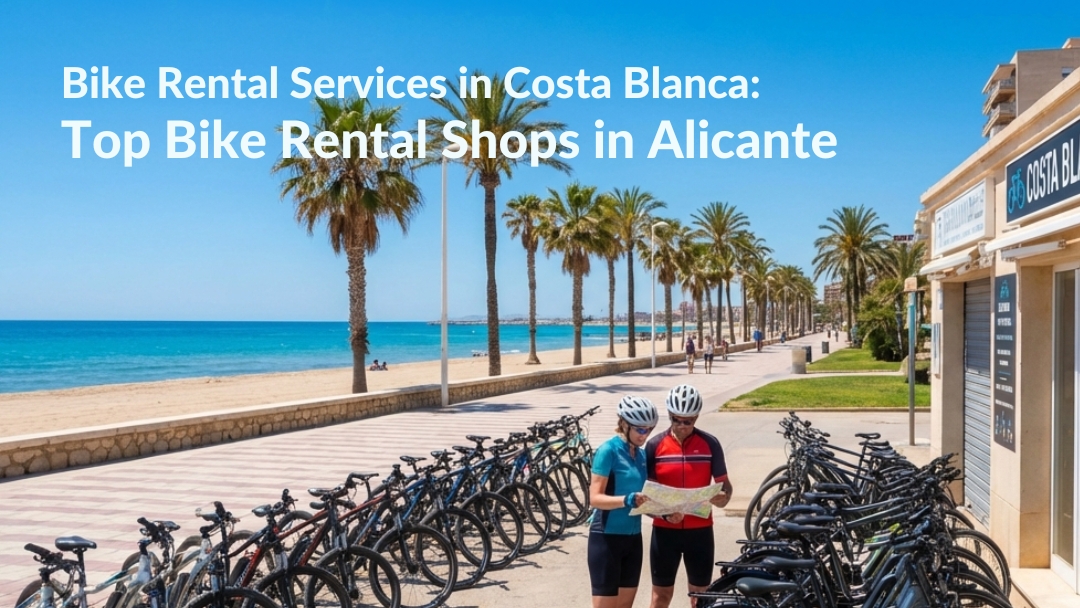
Top Bike Rental Shops in Alicante
Key Takeaways
| Topic | Key Information |
|---|
| Best Premium Option | Blanca Bikes offers exclusive Cervélo carbon bikes with 4 pickup locations |
| Most Convenient Service | Peloton Belgica provides free bike delivery and collection at your location |
| Price Range | Daily rentals start from €35 for road bikes, €60 for e-bikes |
| Main Rental Areas | Altea, Calpe, Denia, Javea, Benidorm, and Jalon Valley |
| Bike Types Available | Road bikes, e-bikes, mountain bikes, and gravel bikes |
| Booking Method | Online booking available through company websites |
| Additional Services | Bike fitting, guided tours, workshop repairs, and accommodation packages |
| Experience Level | Options available for beginners through professional cyclists |
Finding the Right Bike Rental Shop in Costa Blanca
Costa Blanca has become a popular spot for cyclists from all over Europe. The weather stays nice most of the year, and the roads wind through mountains and along the coast. But how do you pick a good bike rental shop when you’re planning your trip?
Most rental shops in the area focus on road bikes because thats what most visitors want. You’ll find everything from basic models to professional-grade carbon bikes. The main towns for bike rentals are Calpe, Altea, Denia, and Benidorm – these places have the most options and the best infrastructure for cyclists.
When I first visited Costa Blanca, I made the mistake of booking the cheapest option I could find online. The bike worked fine, but the gears weren’t set up properly and I spent the first day adjusting everything myself. Now I always check what services come with the rental, not just the price.
For more information about cycling in the region, check out our guide on cycling routes which covers the best areas to explore.

Peloton Belgica started in September 2021 and they’ve built their business around convenience. They’ll bring the bike to wherever you’re staying – whether thats a hotel in Benidorm or a villa in Altea. And when you’re done? They come pick it up. No need to drive anywhere or worry about transportation.
Their bike selection focuses on high-end models. The Scott Addict series comes with electronic shifting – either SRAM eTap AXS or Shimano Di2. All bikes include powermeters, which is great if you like tracking your performance data. They also offer Ridley road bikes, which is a Belgian brand known for quality.
What really sets them apart is the bike fitting service. Before you ride, they adjust the bike to match your body measurements and riding style. This might sound like a small thing, but it makes a huge difference on longer rides. I’ve seen people struggle through 80km rides on poorly fitted bikes, and its not fun.
Service Areas:
- Altea (main base)
- Calpe
- La Nucia
- Polop
- Benidorm
- Finestrat
- Albir
They also offer package deals with Hotel Cap Negret in Altea. If you’re planning a dedicated cycling trip, these packages can save you money and hassle. You can explore more options for bike rentals across the Costa Blanca region.
Blanca Bikes does one thing and does it well – they only rent Cervélo bikes. No other brands, no compromises. If you know bikes, you know Cervélo makes some of the best carbon frames in the world. If you dont know bikes, just trust me – these are really good bikes.
They have four locations where you can pick up or drop off bikes: Denia, Calpe, Parcent, and Javea. The Parcent location is special because its also their Base Camp Cafe and workshop. You can grab coffee, get repairs done, or join one of their guided tours all from the same place.
Pricing Structure:
| Bike Model | Daily Rate | Weekly Rate |
|---|
| Caledonia Rival eTAP AXS | €35 | Discounted |
| Caledonia-5 | €40 | Discounted |
| Soloist | €45 | Discounted |
| Pro Upgrades | €53 | Discounted |
| Rouvida E-bike | €60 | Discounted |
The longer you rent, the better the daily rate gets. They also offer premium delivery service to areas like Albir, Altea, Benidorm, and the Jalon Valley. This costs extra, but its worth it if you’re staying somewhere without easy access to their pickup locations.
Their workshop services are handy if something goes wrong during your trip. I once had a flat tire on day three of a week-long rental, and they fixed it within an hour at their Parcent location. For those interested in exploring the area, our Jalon Valley scenic loop is a perfect route to try.
Allure Bike Rental calls themselves “not the largest but definitely the best” rental company on Costa Blanca. Thats a bold claim, but their customer reviews back it up. They focus on providing excellent service rather than having the biggest fleet or the most locations.
The company emphasizes personalized attention. When you book with them, you’re not just getting a bike – you’re getting advice on routes, local knowledge, and support throughout your rental period. This approach works well for people who are new to the area or want more guidance.
Unfortunately, specific details about their bike models and pricing werent available in my research. But their reputation suggests they’re worth contacting directly if you value service quality over having the newest equipment. Sometimes a well-maintained older bike with great support beats a brand-new bike with no help.
Many cyclists who visit Costa Blanca regularly have their favorite rental shops, and Allure often comes up in conversations. Word-of-mouth recommendations mean alot in the cycling community. If you’re planning your first visit, check out our beginner’s guide to cycling Costa Blanca.
Other Bike Rental Options Across Costa Blanca
Beyond the main companies, several other rental shops operate throughout Costa Blanca. Each has its own focus and service area:
Northern Costa Blanca:
- Montgó Bikes (Denia area)
- Xabias Bike (Javea)
- TAO bike (various locations)
Central Costa Blanca:
- Start With Bike (Calpe – recommended for club riders)
- Azrentandbike (multiple areas)
General Services:
- Travel Costa Blanca (tour packages with rentals)
- Segway Eco Tours (alternative transport options)
- Segway Trip Denia (electric options)
Prices across these companies range from €5 per hour for basic bikes in Calpe to €60+ per day for specialized equipment. The hourly option works well if you just want to ride around town for a bit, but daily or weekly rates make more sense for serious cycling.
Start With Bike in Calpe gets mentioned alot by club riders – these are people who ride regularly and know what they’re looking for in a rental bike. That endorsement tells you something about their quality. For exploring the Calpe area specifically, we’ve compiled a list of top bike rental shops in Calpe.
What to Look for When Choosing a Rental Shop
Picking a bike rental shop isnt just about finding the cheapest option. Here’s what actually matters:
Bike Condition and Maintenance: Ask about their maintenance schedule. Good shops service their bikes regularly, not just when something breaks. Check reviews for mentions of mechanical problems – if multiple people complain about the same issues, thats a red flag.
Fitting and Setup: Can they adjust the bike to fit you properly? This includes saddle height, handlebar position, and cleat setup if you’re using clipless pedals. A proper fit prevents pain and injury.
Support Services: What happens if you get a flat tire 40km from your hotel? Do they offer roadside assistance? Can you swap bikes if something isnt working right? These questions matter more than you think.
Location Convenience: Where do you pick up and return the bike? If the shop is an hour’s drive from your accommodation, factor that into your decision. Some companies offer delivery, which solves this problem but usually costs extra.
Insurance and Damage Policies: What are you responsible for if something happens to the bike? Clear policies protect both you and the rental company. Read the fine print before you sign anything.
I learned this lesson the hard way when I scratched a frame on a rocky descent. The rental agreement said I was responsible for “all damage,” which ended up costing me €300. Now I always ask about insurance options upfront. You might also want to explore bike repair services in the area, just in case.
Booking Your Bike Rental: Practical Tips
Most rental shops in Costa Blanca accept online bookings. This is convenient, but it also means you need to plan ahead – especially during peak season (March through May and September through October).
How Far in Advance Should You Book? For popular periods, book at least 2-3 weeks ahead. If you’re visiting in summer or winter, you can probably book just a few days before. But why risk it? Booking early often gets you better rates anyway.
Payment Methods: Peloton Belgica uses Mollie payment service for online bookings. Most shops accept credit cards, but some smaller operations might prefer bank transfers or cash. Check before you assume.
What to Bring:
- Photo ID (passport or driving license)
- Credit card for deposit
- Your cycling shoes if you use clipless pedals
- Any specific measurements if you know them (saddle height, reach, etc.)
Communication: If you have specific requirements – like needing a compact chainring or preferring a certain saddle type – tell the rental shop when you book. Don’t assume they’ll have exactly what you want if you just show up.
Some shops offer package deals that include accommodation. If you’re planning a dedicated cycling holiday, these packages can save money and simplify logistics. Hotel Cap Negret in Altea partners with Peloton Belgica, for example. For more accommodation options, visit our Costa Blanca biking accommodation page.
Understanding Rental Costs and Value
Bike rental prices in Costa Blanca vary widely based on bike quality, services included, and rental duration. Here’s how to think about costs:
Daily vs Weekly Rates: Daily rates look expensive, but weekly rates usually offer significant discounts. If you’re staying for 5+ days, weekly rental almost always makes more sense financially.
What’s Included: Basic rental usually includes the bike, helmet, and basic tools. Premium services might include:
- Professional bike fitting
- Delivery and collection
- Roadside assistance
- GPS devices
- Spare wheels
- Nutrition products
Hidden Costs to Watch For:
- Delivery fees (can be €20-50 depending on distance)
- Damage deposits (usually €500-1000, refunded if no damage)
- Insurance options (€5-15 per day)
- Pedal upgrades (if you need specific types)
- Extra equipment (spare tubes, CO2 canisters, etc.)
Is Premium Worth It? If you’re riding 50+ kilometers per day, yes. The difference between a €35/day bike and a €53/day bike becomes very noticeable over long distances. Better components mean smoother shifting, lighter weight, and more comfort.
But if you’re just cruising around town or doing short rides, a basic rental works fine. Match the bike quality to your riding plans, not your ego. I’ve seen people rent €100/day bikes for gentle 20km rides along the coast – total waste of money.
For those planning extensive rides, our Benidorm to Guadalest scenic ride is a challenging but rewarding route.
Frequently Asked Questions
Do I need to book bike rentals in advance? Yes, especially during peak cycling season (March-May and September-October). Booking 2-3 weeks ahead ensures you get the bike you want. Last-minute bookings might work in summer or winter, but you’ll have fewer options.
What happens if the bike breaks down during my rental? Most reputable shops offer support for mechanical issues. Blanca Bikes has workshop locations, and Peloton Belgica provides assistance for their rentals. Always get the shop’s emergency contact number when you pick up the bike.
Can I rent a bike for just one day? Yes, all major rental shops offer daily rentals. However, weekly rates provide better value if you’re staying longer. Daily rates typically range from €35-60 depending on bike quality.
Do rental bikes come with helmets and tools? Basic equipment like helmets and essential tools usually comes included. However, confirm this when booking. Some shops charge extra for premium helmets or additional accessories.
What size deposit do I need to pay? Deposits typically range from €500-1000 depending on bike value. This gets refunded when you return the bike undamaged. Bring a credit card as most shops don’t accept cash deposits.
Are electric bikes available for rent? Yes, several shops offer e-bikes. Peloton Belgica rents Scott Genius eRIDE mountain bikes, and Blanca Bikes offers the Cervélo Rouvida e-bike starting at €60 per day.
Can the rental shop deliver the bike to my hotel? Peloton Belgica offers free delivery throughout their service area. Blanca Bikes charges extra for premium delivery to locations like Albir, Altea, and Benidorm. Check delivery options when booking.
What if the bike doesn’t fit me properly? Good rental shops provide fitting services. Peloton Belgica includes professional bike fitting with all rentals. If you’re uncomfortable during your first ride, contact the shop immediately – they should make adjustments.
by Ralf Tenbrink | 2, Mar 2026 | Cyclowax
Why Your Bike Chain Is Always Dirty (And How Hot Wax Fixes It)
If your chain goes from shiny silver to thick black paste after just a few rides, you’re not alone. Most riders in Europe still use traditional oil-based lubes, and those products almost guarantee a dirty drivetrain.
A big part of the solution is switching from wet, sticky lubrication to a dry, waxed chain. Let’s break down why your chain is always dirty and how hot wax fixes it.
Why your bike chain turns black so quickly
After a few rides, you’ll often notice:
Black grime on the chain and cassette
Greasy marks on your calf or clothing
“Crunchy” sounds when you pedal in the rain or on gravel
That black layer is a mix of:
Oil or liquid lube
Dust, sand, and road dirt
Tiny metal particles from normal wear
When all of this mixes together, it becomes a grinding paste that sticks to every surface. It doesn’t just look bad; it accelerates wear on your chain, cassette, and chainrings and can cost you real watts.
How traditional oil and liquid lubes actually work
Most riders grew up using two kinds of products:
Wet oil lubes
“Dry” or liquid wax lubes in a bottle
They’re easy to apply, but they share one problem: they stay wet or tacky on the surface of the chain.
That means:
Any dust or dirt you ride through clings to the lube.
Dirty lube gets pushed inside the chain when you pedal.
You end up needing degreasers and a lot of scrubbing to get things clean again.
So the more often you “top up” with oil, the more dirty paste you build up on your drivetrain.
What makes hot wax different
Hot wax works in a very different way.
Instead of staying wet, the wax is melted and the chain is immersed so the wax can penetrate the internals. Once the chain cools down, the wax solidifies and leaves a dry lubricating layer on the metal.
That dry layer means:
Dirt has almost nothing sticky to cling to.
Any dust that lands on the chain falls off more easily.
The wax inside the chain reduces friction where it really matters.
Because there’s no oily film on the outside, the chain doesn’t turn into a glue trap for grit, so it stays visually clean much longer.
Real-world benefits of a waxed chain
For everyday riders in Spain and across Europe, a properly waxed chain brings a few big advantages:
A drivetrain that stays clean
Your chain, cassette, and chainrings stay silver instead of black. Wiping the frame or your calf is no longer a constant chore.
Less friction, more speed
A clean, waxed chain reduces drag compared with a dirty oil-lubed chain. That can translate into measurable watt savings and a fresher feeling on climbs and long rides.
Longer component life
With less abrasive paste grinding away at your drivetrain, your chain and cassette can last significantly longer. Over time, that means fewer replacements and lower total cost of ownership.
Less mess at home
You don’t need aggressive degreasers every few weeks, which is more pleasant for you and kinder to the environment.
Is hot wax right for your riding style?
Hot wax isn’t just for pros. It works extremely well for:
Road riders who want a quiet, fast bike
Gravel cyclists dealing with dust and dirt on caminos and tracks
Mountain bikers riding in dry or mixed conditions
Commuters who don’t want black grease on trousers or bags
If you ride in very wet conditions constantly, you may need to re-wax more frequently, but the chain still stays cleaner than with traditional wet oil.
The key habit change is simple: instead of regularly adding more oil and degreasing everything, you ride until the wax coating is used up, then you re-wax.
How to switch from oil to hot wax (simple steps)
Moving from an oily chain to a waxed chain is easier than it looks. In practice, you have two main options:
Start with a pre-waxed chain
Buy a new chain that’s already stripped and waxed.
Have your local bike shop install it.
Keep your old, oily chain as a backup or clean it later.
This is the fastest, cleanest way to experience the difference.
Deep-clean your existing chain, then wax it
Remove the chain from the bike.
Thoroughly degrease it to remove all oil and factory grease.
Rinse and dry until there is no residue left.
Immerse it in hot wax following the instructions of your waxing kit.
Refit the chain and ride.
Once your chain is fully converted to wax, ongoing maintenance is straightforward: ride, re-wax at the recommended interval, and avoid adding any oil-based products on top.
Ask for Cyclowax in your local bike shop
If you’re tired of fighting against a black, greasy chain, hot wax is one of the most effective upgrades you can make to your bike’s maintenance routine.
You can:
Look for Cyclowax products online, or
Ask for Cyclowax by name in your local bike shop in Spain or elsewhere in Europe.
Shops can offer hot waxing as a service, stock waxing kits, and even sell pre-waxed chains, so riders get all the benefits of a clean, fast drivetrain without having to figure it out alone.
A chain that stays clean, runs smoothly, and lasts longer is not just nicer to look at—it makes every ride feel better.