
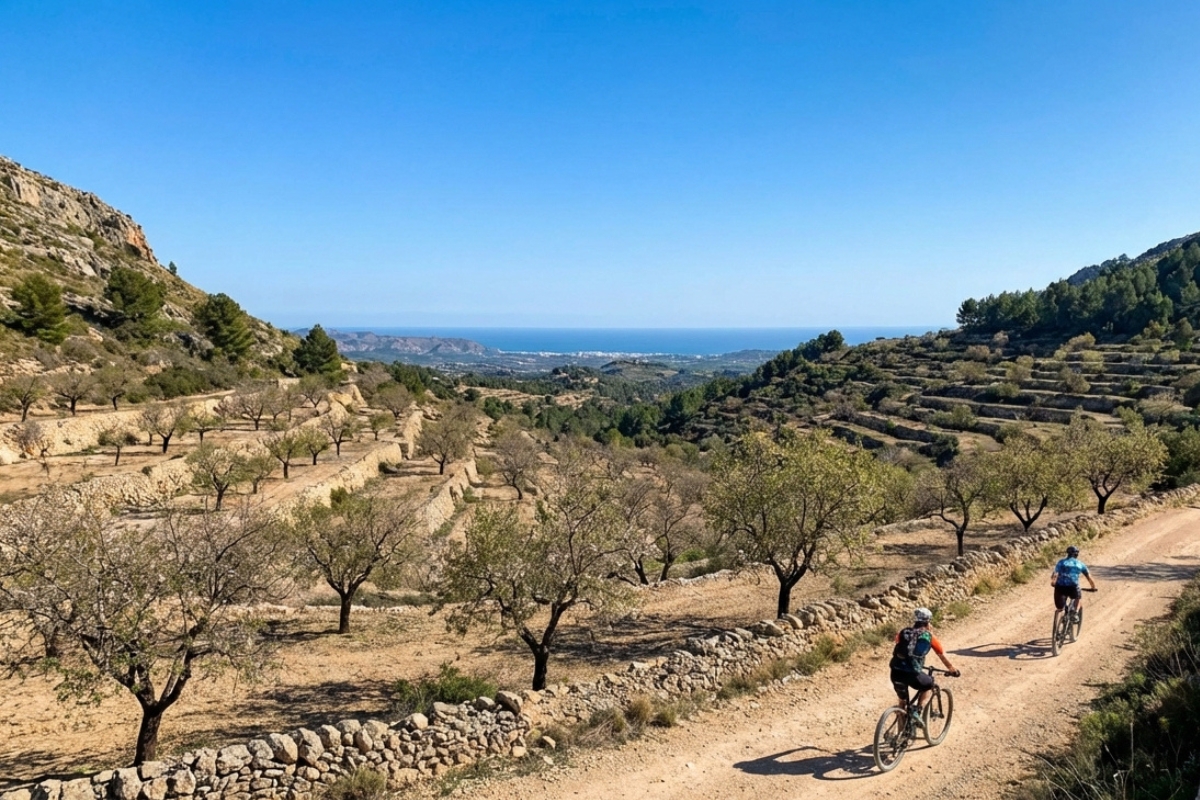
Mountain Biking in Vall de Laguar
Key Takeaways
| Aspect | Details |
|---|---|
| Trail Length | 14 km (8.7 miles) circular route |
| Difficulty Level | S1 classification – for experienced riders |
| Terrain Features | Technical climbs, downhill sections, Moorish terraces, waterfalls |
| Best Season | Winter months offer mild weather conditions |
| Starting Point | Accessible from Marina Alta region, Costa Blanca |
| Key Attractions | Panoramic views, ancient agricultural terraces, diverse flora |
| Facilities Available | Bike rentals, repair services, guided tours, bike-friendly hotels |
| Suitable For | Experienced mountain bikers with technical skills |
What Makes Vall de Laguar Special for Mountain Biking
The Vall de Laguar sits in the Marina Alta region and stretches about 14 kilometers through some of Costa Blanca’s most beautiful mountain scenery. This valley isnt just another bike trail – its a place where old Moorish farming terraces cascade down hillsides, waterfalls appear after rain, and the views stretch all the way to the Mediterranean on clear days.
The circular route here has earned an S1 classification, which means its designed for people who already know their way around technical mountain biking. You’ll encounter steep climbs that test your legs, tricky descents that require good bike handling, and rocky sections where you need to pick your line carefully. The trail winds through terrain that changes constantly – one minute you’re climbing through pine forests, the next you’re navigating limestone outcrops with views that make you want to stop and stare.
What really sets this area apart is how well everything is maintained. The trails are marked properly, the bike support services in the region are top-notch, and you can find everything from basic repairs to full bike rentals with delivery to your hotel. Professional cyclists come here to train during winter months because the weather stays mild when northern Europe freezes over.
Getting Started with the Vall de Laguar Circular Route
Before you head out on this trail, you need to know what you’re getting into. The route starts from the valley floor and immediately begins climbing – there’s no gentle warm-up here. Most riders begin from the small villages at the valley entrance, where you can park safely and check your gear one last time.
The first section involves a steady climb up La Garga, which rises from the flatter coastal plains into the mountain valley. Your legs will feel this climb, but the views start appearing almost immediately. Ancient stone walls line parts of the trail, built centuries ago by Moorish farmers who terraced these steep hillsides to grow crops.
Here’s what you should bring:
- Full-suspension mountain bike (hardtails work but suspension helps)
- At least 2 liters of water
- Basic repair kit with spare tube
- First aid supplies
- Phone with offline maps downloaded
- Snacks with quick energy
- Sunscreen and sunglasses
The bike rental shops in the area stock proper mountain bikes if you’re flying in without your own. Many offer free delivery to hotels and will set the bike up to your measurements before you even see it.
Technical Challenges Along the Route
The S1 classification isn’t given lightly – this trail includes sections that will challenge even confident riders. About 3 kilometers in, you’ll hit the first really technical descent. Loose rocks, tight switchbacks, and steep gradients mean you need to stay focused. Your body position matters here – weight back, elbows out, eyes looking ahead to where you want to go, not at the obstacles right in front of your wheel.
The middle section of the route follows old agricultural paths that wind between terraces. These paths are narrow, sometimes just 50 centimeters wide, with drops on one side. The surface varies from hard-packed dirt to loose gravel to exposed rock. You’ll use your gears constantly, shifting up for flat sections, dropping down for climbs that appear suddenly around corners.
One of the most memorable parts comes about two-thirds through the route. You’ll ride along a ridge with massive views on both sides – the valley dropping away to your left, mountains rising to your right. This section is exposed, meaning wind can be strong, but the riding is slightly easier here with less technical terrain.
Common Technical Features:
- Rock gardens requiring line choice
- Steep switchbacks (both up and down)
- Narrow singletrack sections
- Loose gravel on descents
- Short sections of pushing/carrying
- Stream crossings (seasonal)
The final descent back to the valley floor is fast and flowing if you’ve got the energy left. Many riders find this the most fun part – after all the climbing and technical work, you get to let the bike run on a trail that rewards momentum and confidence.
Best Times to Ride and Weather Considerations
Winter months from November through March are actually the best time for this route. That might sound backwards if you’re used to northern European weather, but Costa Blanca’s Mediterranean climate means winter brings mild temperatures perfect for hard riding. You’ll see temperatures around 15-20°C during the day, which is ideal when you’re working hard on climbs.
Summer riding is possible but challenging – temperatures can hit 35°C or higher, and there’s very little shade on parts of the route. If you do ride in summer, start at dawn. I mean really early, like 6am early. You’ll finish before the worst heat hits, and you’ll see the valley in beautiful morning light.
Spring (April-May) and autumn (September-October) offer middle-ground conditions. Temperatures are comfortable, wildflowers bloom in spring, and autumn brings clearer air after summer haze. These seasons do bring more chance of rain though, which can make the rocky sections slippery and dangerous.
Seasonal Riding Conditions:
| Season | Temperature | Pros | Cons |
|---|---|---|---|
| Winter | 10-18°C | Perfect riding temps, clear views | Shorter days, occasional cold snaps |
| Spring | 15-25°C | Wildflowers, comfortable | Variable weather, some rain |
| Summer | 25-35°C+ | Long days, dry trails | Extreme heat, crowded |
| Autumn | 18-28°C | Stable weather, good visibility | Can be hot early season |
Check weather forecasts before you go, especially for wind. The exposed ridge sections become genuinely difficult in strong winds, and gusts can push you around on narrow trails. Local bike shops usually have good knowledge about current trail conditions.
Connecting Routes and Extended Riding Options
The Vall de Laguar route doesn’t exist in isolation – it’s part of a bigger network of trails in the Marina Alta region. If you want to extend your ride or explore more, several options connect to this circular route.
Coll de Rates sits nearby and offers a completely different experience. This climb takes you to 626 meters elevation with views that stretch across the entire region. The road to the summit is paved but quiet, and many riders combine it with the Vall de Laguar trails for a mixed-surface day. From the top, you can see the Mediterranean, the valley systems, and on clear days, even Ibiza in the distance.
The Coll de la Vall d’Ebo provides another option – this route features short steep sections followed by a gentle descent through a scenic gorge. The terrain is different from Vall de Laguar, with more flowing trails and less technical rock work. It’s a good option if you want variety or if you’re riding with people of mixed abilities.
For something less known, the CV-748 between Llíber and Gata de Gorgos offers beautiful riding on quiet roads. This isn’t mountain biking but road cycling, and it makes a good recovery ride the day after tackling Vall de Laguar’s technical challenges.
Extended Route Options:
- Vall de Laguar + Coll de Rates: 45km total, 1200m climbing
- Vall de Laguar + Coll de la Vall d’Ebo: 38km total, 950m climbing
- Multi-day exploration: Base in one location, ride different routes each day
The cycling routes page has detailed information about connecting these different trails and roads into longer adventures. Many riders spend a full week in the area and never repeat the same route twice.
Local Services and Facilities for Mountain Bikers
The Marina Alta region has built its reputation on taking care of cyclists properly. Hotels in the area understand what mountain bikers need – secure bike storage with proper racks, not just a corner of a garage. Many provide basic tools and a work stand so you can do your own maintenance. Some even have washing facilities specifically for bikes.
Bike rental services in the region go beyond just handing you a bike. They’ll deliver to your accommodation, set everything up correctly, and provide support if something goes wrong. Most rental shops stock high-quality full-suspension bikes suitable for the Vall de Laguar’s technical terrain. They also rent GPS units preloaded with local routes if you prefer not to rely on your phone.
If something breaks, bike repair shops are scattered throughout the region. The mechanics here see mountain bikes constantly and know the common issues that crop up on local trails. They stock parts that actually fit modern bikes, not just random old components. Many shops offer same-day service if you need to get back on the trail quickly.
Guided tours are available through several operators if you’d rather ride with someone who knows the trails intimately. Guides can show you the best lines through technical sections, point out historical features you might miss, and adjust the route based on your fitness and skill level. For people visiting the area for the first time, a guided ride on day one helps you understand the terrain before exploring independently.
Available Services:
- Full-suspension mountain bike rentals
- GPS unit rentals with preloaded routes
- Guided tours (half-day and full-day options)
- Mechanical support and repairs
- Bike washing facilities
- Secure storage at accommodations
- Shuttle services for uplift riding
- Skills coaching for technical sections
The bike-friendly accommodations in the area range from basic apartments to high-end hotels. What they all share is an understanding that cyclists have specific needs – early breakfasts, packed lunches, laundry facilities, and staff who can provide local trail knowledge.
What You’ll See: Natural and Cultural Highlights
The Vall de Laguar isn’t just about the riding – the scenery and history make this route special. The Moorish terraces you’ll ride past date back centuries, built by farmers who carved agriculture from steep mountainsides. These stone walls follow the contours perfectly, creating steps of flat land where crops once grew. Many terraces are abandoned now, but they’re still impressive engineering.
Waterfalls appear seasonally throughout the valley. After winter rains, you’ll hear them before you see them – the sound of water echoing off rock walls. The main waterfall drops about 60 meters and creates a cool microclimate around it. In summer these dry up almost completely, but in winter and spring they’re spectacular.
The plant life changes as you gain elevation. Down in the valley floor you’ll see Mediterranean scrub – rosemary, thyme, and tough grasses adapted to heat and drought. Higher up, pine forests provide shade and the air smells completely different. In spring, wildflowers cover the hillsides – poppies, wild orchids, and dozens of species most people never notice.
Bird life is abundant if you’re paying attention. Eagles soar on thermals above the valley, and you might spot vultures circling higher up. Smaller birds flit through the scrub, and if you’re lucky you’ll see bee-eaters in summer – bright green and yellow birds that nest in the area.
Natural Features to Watch For:
- Cascading waterfalls (seasonal)
- Ancient Moorish agricultural terraces
- Mediterranean and alpine plant zones
- Limestone rock formations
- Eagles and vultures overhead
- Wild orchids (spring)
- Pine and oak forests
- Panoramic Mediterranean views
The villages at either end of the valley maintain traditional architecture – stone houses with terracotta roofs, narrow streets designed before cars existed, and small squares where locals still gather. These aren’t tourist villages, they’re real places where people live and work, which gives the whole area an authentic feel.
Safety Tips and Things to Know Before You Go
Mountain biking in remote areas carries risks that you need to manage properly. The Vall de Laguar route passes through sections where you won’t see other people for hours. Mobile phone coverage is patchy – sometimes you’ll have signal, sometimes you won’t. This means self-sufficiency matters.
Tell someone your plans before you leave. Not just “I’m going riding” but specifically where you’re going and when you expect to return. If something goes wrong and you don’t show up, people need to know where to start looking. This sounds dramatic, but mountain biking accidents happen, and remote locations make rescue difficult.
Carry more water than you think you need. There are no water sources along the route that you should drink from without treatment. In summer, 3 liters isn’t excessive for this ride. Dehydration affects your decision-making and bike handling, which increases accident risk on technical terrain.
Your bike needs to be in good condition. Check brakes before you start – you’ll use them heavily on the descents. Make sure your tires have decent tread and are inflated properly for the terrain. Carry a spare tube, tire levers, and a pump or CO2 cartridge. Know how to use them before you need them in the middle of nowhere.
Essential Safety Checklist:
- Tell someone your route and return time
- Check weather forecast including wind
- Carry 2-3 liters of water
- Pack spare tube and repair kit
- Ensure brakes are working properly
- Bring first aid supplies
- Download offline maps
- Carry phone with emergency numbers
- Wear helmet (obviously)
- Bring extra food/energy
Navigation can be tricky in places where trails intersect. GPS helps enormously – download the route to your phone or GPS unit before you leave wifi. Paper maps work as backup but the scale needed to show trail detail makes them awkward to use while riding. Many riders use a combination – GPS for primary navigation, map for backup and overview.
If you crash or have a mechanical problem you can’t fix, don’t panic. Assess the situation calmly. If you’re injured, stay put and call for help if you have signal. If you’re just stuck with a mechanical, walking out is always an option – it’s not that far to civilization from any point on the route.
The mountain biking trails guide provides additional safety information specific to Costa Blanca riding conditions.
Frequently Asked Questions
How long does the Vall de Laguar circular route take to complete?
Most experienced riders complete the route in 2.5 to 4 hours depending on fitness level and how many stops you make for photos or rest. If you’re riding at a relaxed pace and really taking in the scenery, plan for 4-5 hours. The technical sections slow you down more than you might expect.
Can beginners ride the Vall de Laguar trail?
No, this route is classified S1 for a reason. Beginners will find the technical sections too challenging and potentially dangerous. If you’re new to mountain biking, start with the family-friendly MTB trails in the area and build your skills before attempting Vall de Laguar.
Do I need a full-suspension bike for this route?
While hardtails can handle the route, full-suspension makes the experience much more enjoyable and less exhausting. The rocky descents and rough terrain beat you up on a hardtail. If you’re renting, spend the extra money on full-suspension – your body will thank you.
Are there places to eat or buy supplies along the route?
No, once you leave the starting point there are no shops, cafes, or facilities until you return. Carry everything you need for the entire ride. The villages at the valley entrance have small shops and cafes where you can stock up beforehand.
What’s the best direction to ride the circular route?
Most riders go counter-clockwise, which puts the major climbing early when you’re fresh and saves the flowing descent for the end. However, you can ride it either direction – clockwise gives you a longer warm-up before the technical sections.
Is the trail well-marked?
The main route is marked but not extensively. Intersections with other trails can be confusing. GPS navigation is highly recommended. Trail markers exist but they’re not frequent enough to rely on exclusively, especially if you’re riding fast and might miss them.
Can I ride this trail year-round?
Yes, though winter months (November-March) offer the best conditions. Summer is possible but very hot – start at dawn if you ride between June and September. After heavy rain, some sections become slippery and potentially dangerous, so check recent weather before you go.
Are there guided tours available for the Vall de Laguar route?
Yes, several operators offer guided tours of this route. This is a good option if you’re unfamiliar with the area or want local knowledge about the best lines through technical sections. Check the bike holidays page for tour operators.